
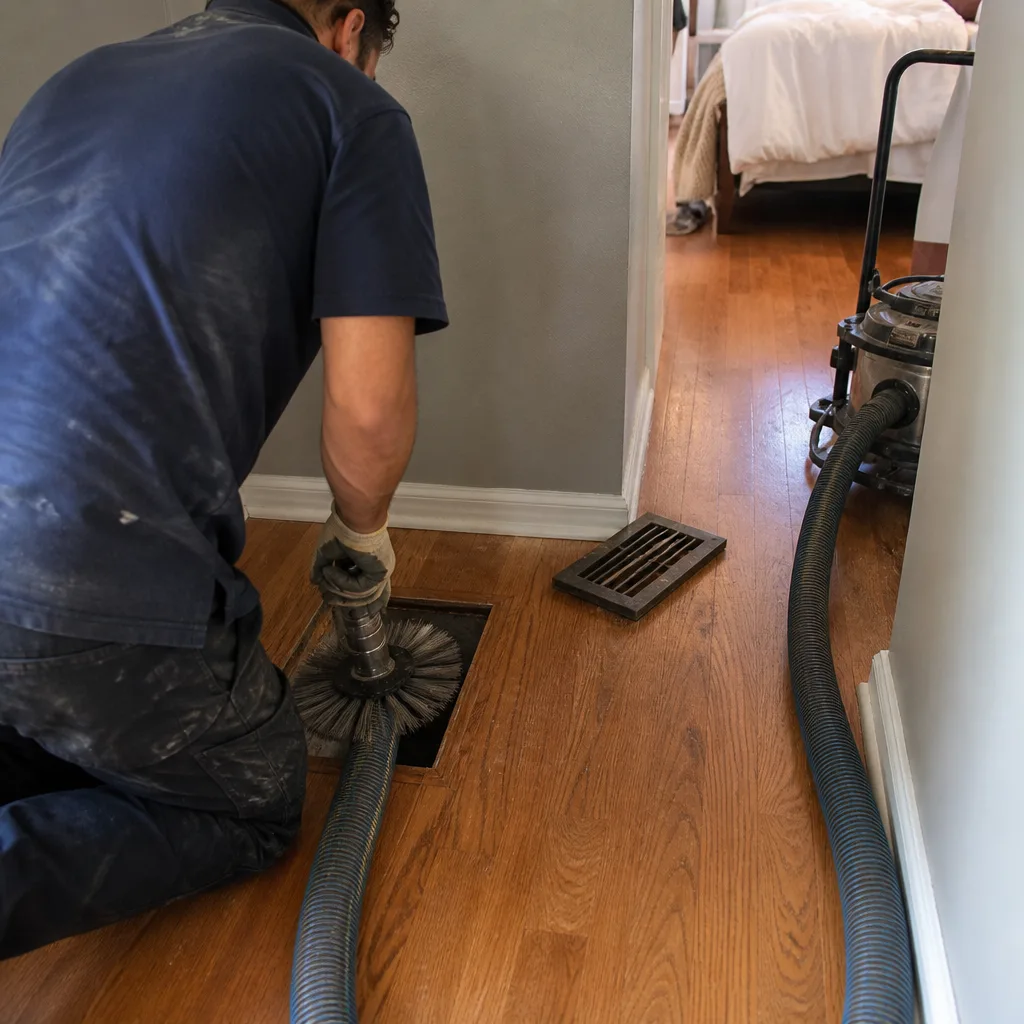
Last updated November 15, 2026
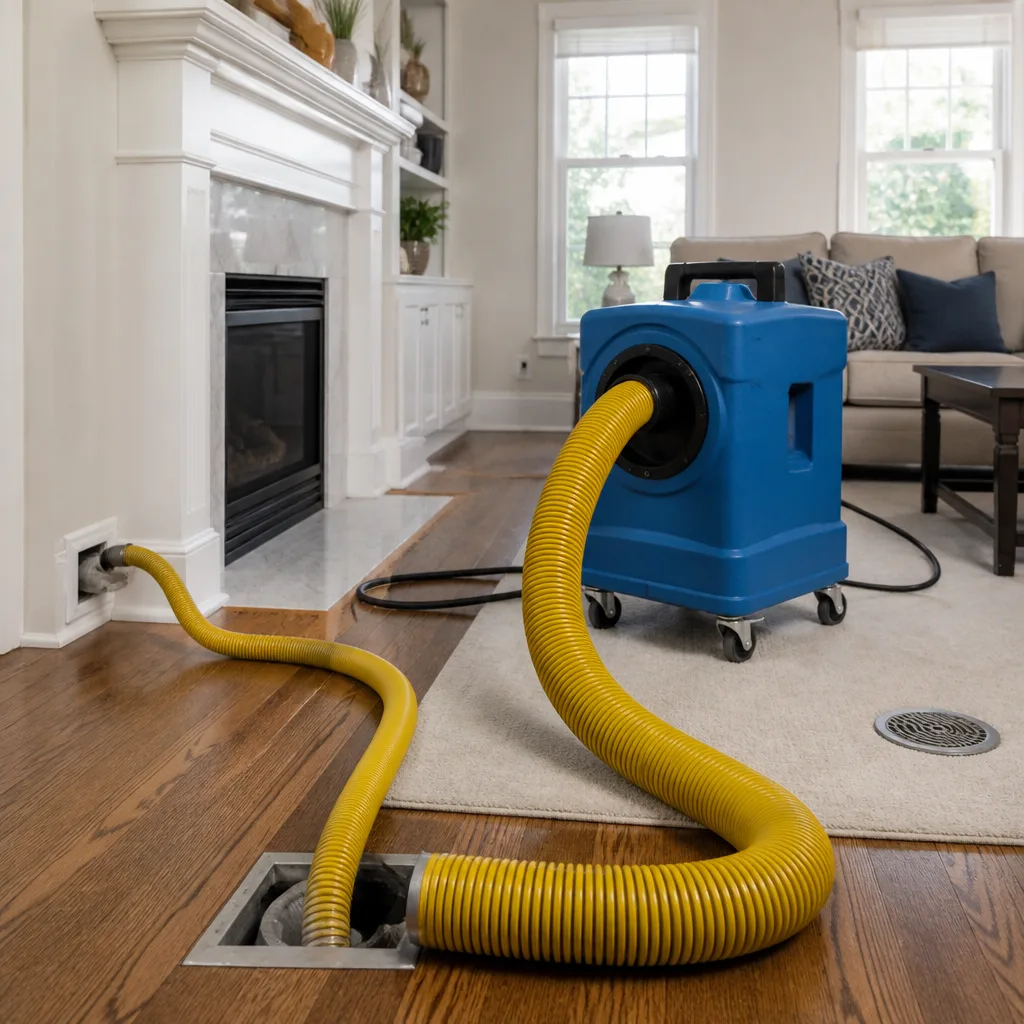 Whole-home duct cleaning
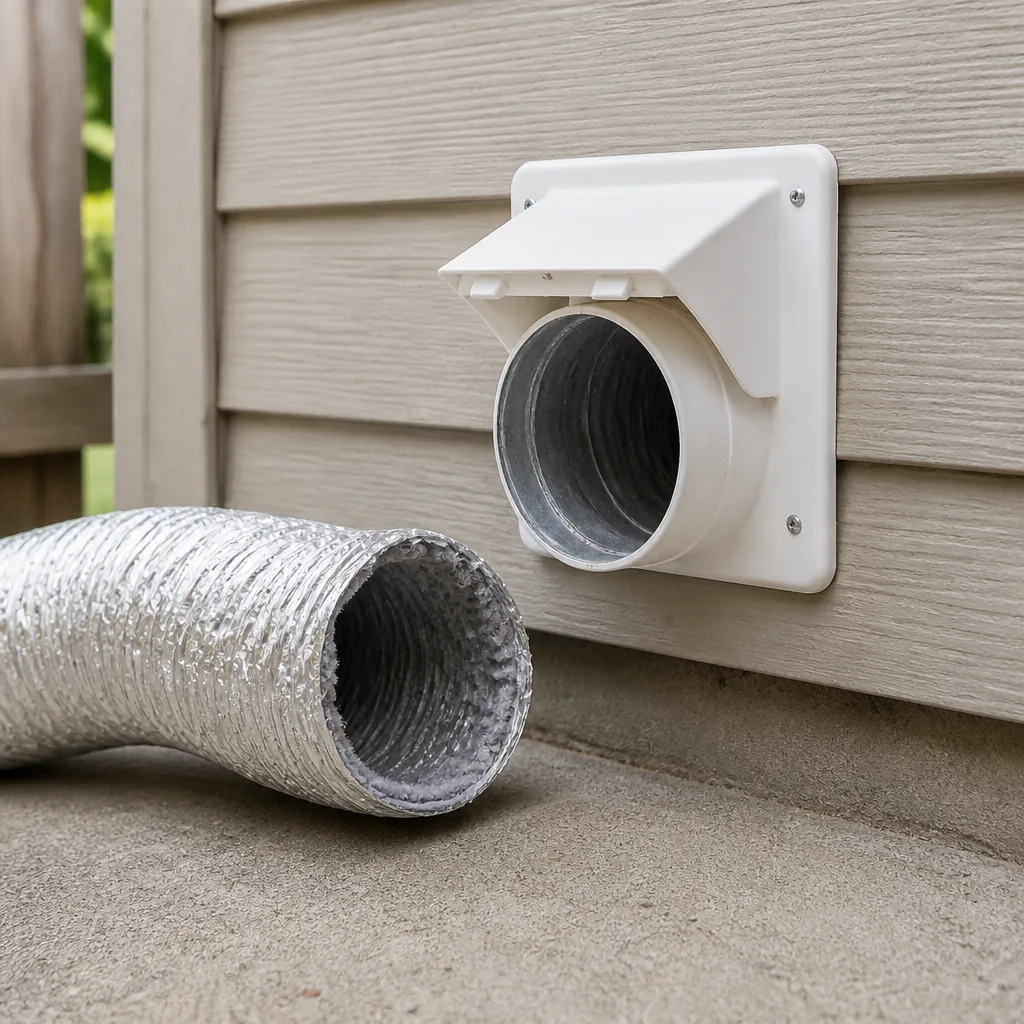 Dryer vent cleaning
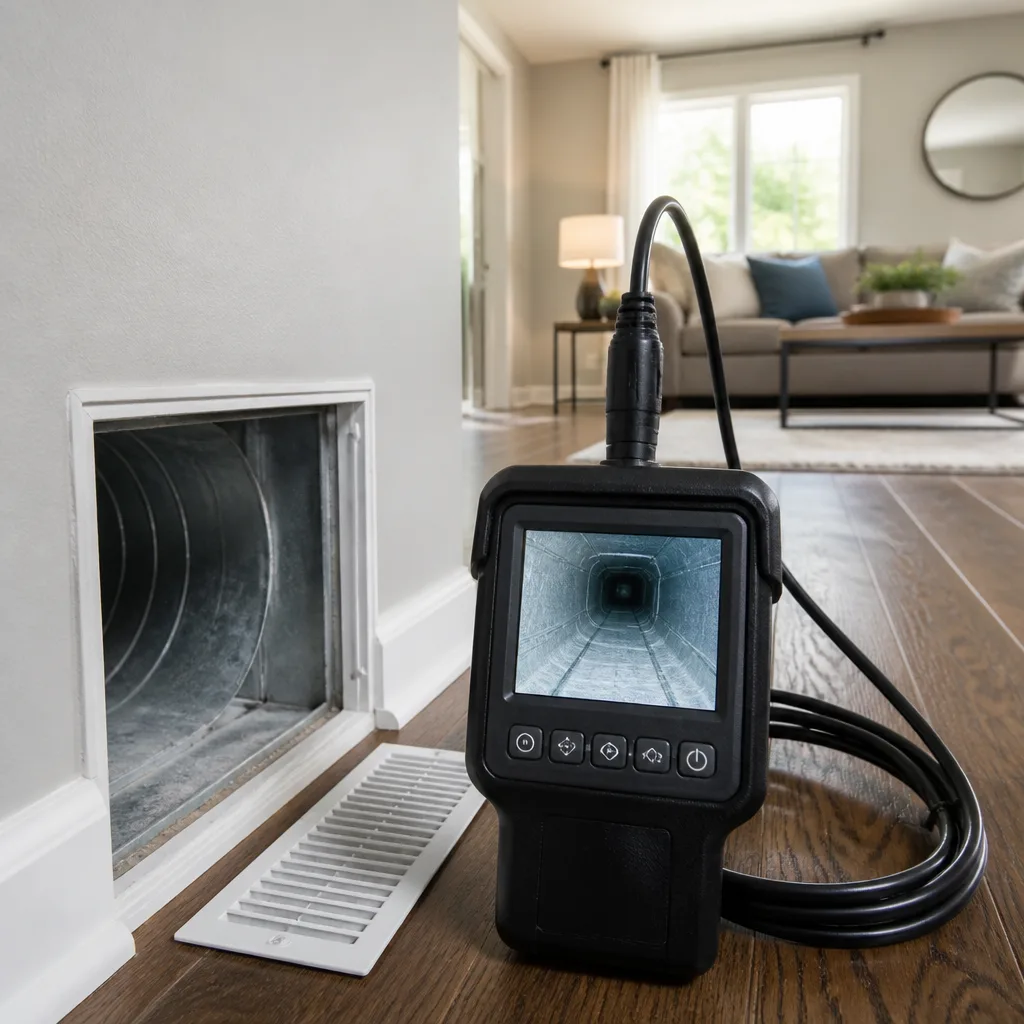 Camera inspection
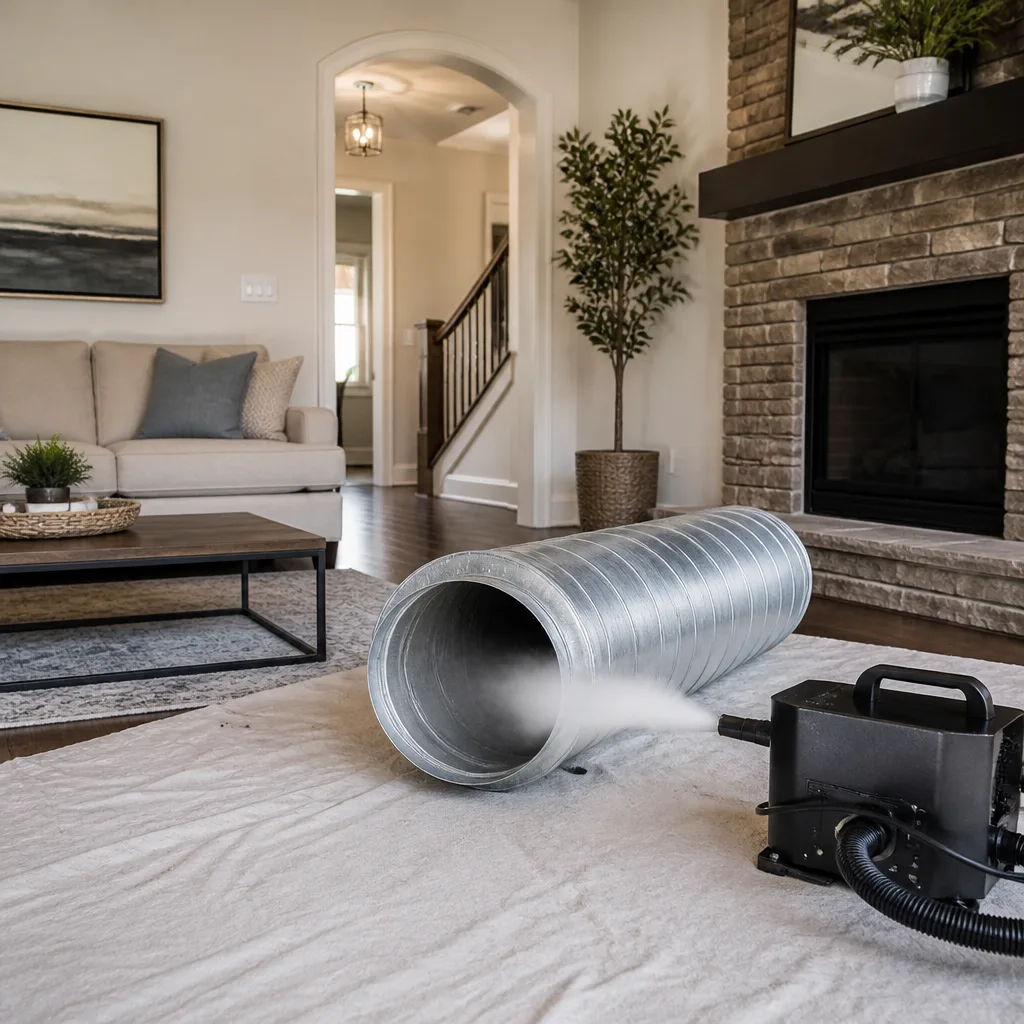 Sanitizing & deodorizing
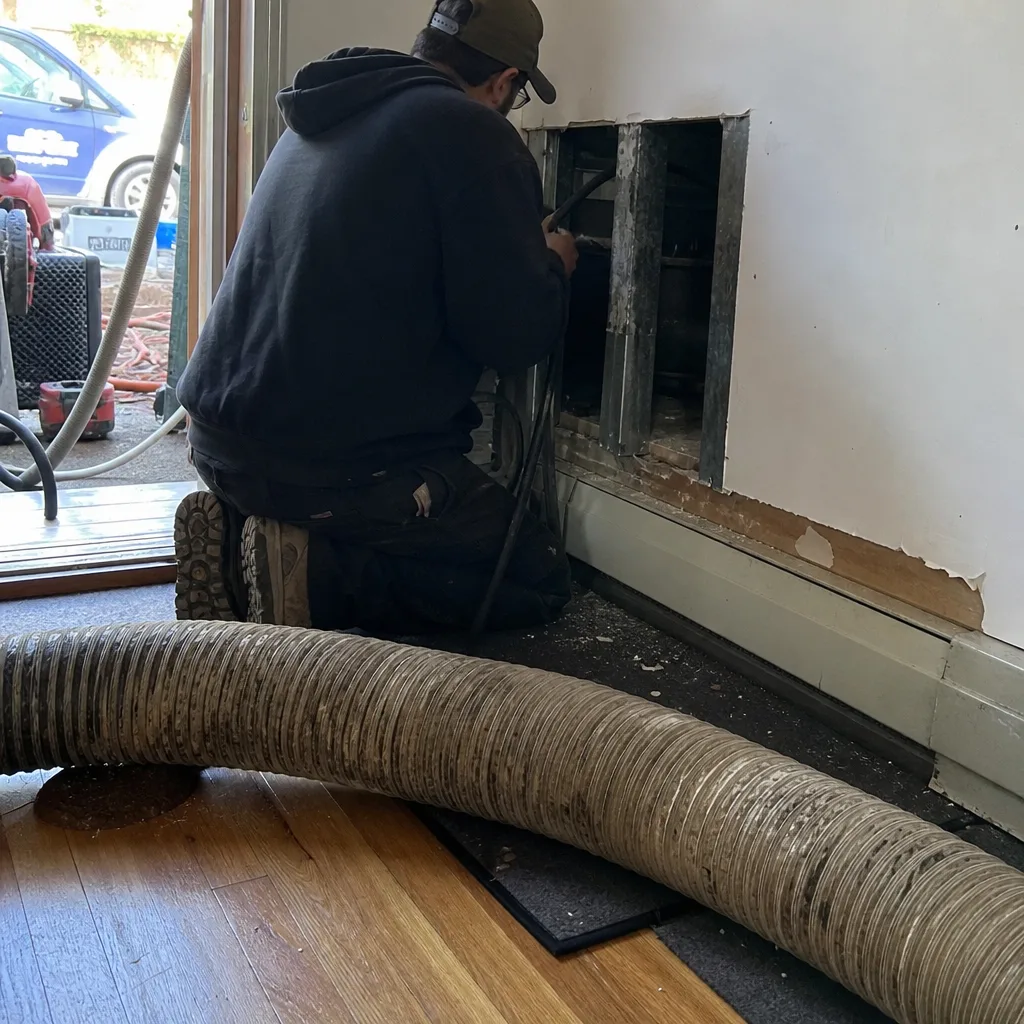
Whole-system duct and dryer vent check with before-and-after photos - you see exactly what came out of your vents
That "$99 whole-house special" is a bait ad - the real number appears once they are in your hallway, or the "clean" is a shop-vac at the register. We photograph the inside of your ducts before and after instead.
Choosing the Right Air Duct Cleaning Brand: A Buyer’s Guide for New Bedford
When a duct cleaning company lists “Rotobrush-certified” or “Nikro equipment” in their marketing, most homeowners read it the way they read “professional-grade” on a hardware store label: as a vague quality claim rather than a specific technical indicator. That’s understandable, and it’s also a missed opportunity. Equipment names are actually the most useful thing on the page, if you know what they mean. This guide translates the brand names you’ll see in New Bedford duct cleaning ads into plain-language outcomes: what the machine does, what it proves about the job, and what questions to ask before you book. By the end, you’ll be able to separate a real specialist from a crew with a hose and a logo.
Quick Answer
The best air duct cleaning company in New Bedford is the one that uses contractor-grade negative-pressure equipment (Rotobrush or Nikro), can explain how its process keeps debris from redistributing through your home, documents before-and-after conditions, and offers duct repair alongside cleaning. Brand names matter only when the contractor can show the equipment performed as specified on your job. Ask for proof of process, not just proof of purchase.
Styles & brands we work with
- Whole-home duct cleaning
- Dryer vent cleaning
- Camera inspection
- Sanitizing & deodorizing
Table of Contents
- Why Equipment Brands Matter More Than Marketing Claims
- What Rotobrush Does That a Shop Vac Can’t
- Nikro and Negative Pressure: The CFM Number That Predicts Results
- Abatement Technologies and When HEPA Filtration Is Actually Necessary
- How to Ask a Contractor to Document Their Equipment’s Performance
- Why Hardware Alone Isn’t Enough: Training and Job Scope
- Air Duct Repair: The Service Most Cleaning-Only Companies Skip
- Dryer Vent Cleaning: A Separate Skill With a Separate Risk
- Honeywell and Aprilaire: System-Level Air Quality
Why Equipment Brands Matter More Than Marketing Claims
Air duct cleaning has an unusually wide gap between the best and worst versions of the same service. A thorough clean with industrial equipment is a genuinely different result than a surface pass with a wet/dry vac and a brush duct-taped to a drill. Both can be sold as “air duct cleaning.” Only one actually removes the accumulated debris from the system.
That’s why equipment names are useful. When a contractor names Rotobrush, Nikro, or Abatement Technologies, they’re identifying the class of machine they run. Those three brands serve different functions in a professional setup, and together they describe a process:
- Rotobrush is a rotating-brush agitation system. A flexible whip with a rotating head travels through the duct, loosening debris while a vacuum pulls it out simultaneously.
- Nikro builds the negative-pressure vacuum units that create suction strong enough to pull loose material through an entire run of ducting.
- Abatement Technologies supplies HEPA filtration equipment that captures fine particulate at the source, which matters in remediation scenarios and elevated indoor air quality work.
A consumer-grade shop vac sits in a completely different category. It can pick up a coin off a garage floor. It cannot generate the airflow needed to sweep a 20-foot duct run. Knowing the difference is the whole game, and it’s why the equipment brand is the first thing we ask another contractor about. For a New Bedford homeowner dealing with a system that’s been quietly accumulating debris through several heating seasons, that distinction decides whether the service does anything at all.
One note before we go further. The brand on the machine tells you what the contractor owns, not necessarily what happened in your home. We’ll cover how to close that gap later in this guide, but keep it in mind: the machine is a starting point, not the finish line.
What Rotobrush Does That a Shop Vac Can’t
The core problem in duct cleaning is redistribution. If you loosen debris faster than you extract it, that debris ends up in your living room, on your furniture, and in the return air path. The clean looks dramatic in the moment and the indoor air gets worse, not better.
Rotobrush’s design addresses this with what engineers call continuous agitation paired with simultaneous extraction. In practice, the rotating brush head is doing two things at once:
- Agitating the duct surface. A rotating brush physically scrubs adhered debris off the sheet metal, including material that’s dried into the duct walls and won’t move under vacuum alone.
- Extracting at the point of contact. The vacuum runs through the same whip, pulling loosened material out of the duct at the same rate it’s being freed.
Manual brush-and-vacuum methods work sequentially. The technician brushes here, then vacuums there, and debris gets a chance to travel between the two steps. In a New Bedford home with forced-hot-air heating running from October through April, there’s usually a lot of that debris: dust, pet hair, seasonal pollen tracked in from Buttonwood Park, and the general accumulation of forty or fifty years in some of the older housing stock. Sequential cleaning on that kind of load gets you a cleaner-looking register and little else.
Rotobrush systems also feed a camera through the ducts during cleaning, which gives the technician a live view of what’s actually being removed. That’s the piece that turns “trust us” into “here’s your duct on screen.” When we talk about showing the work, that’s literally what we mean.
What Rotobrush can’t do is fix ductwork. If a joint has separated under a crawlspace, or a flex run has collapsed behind a kitchen wall, no amount of agitation solves the underlying problem. Which is why the equipment conversation always leads into the repair conversation. Cleaning a broken system is wasted money, no matter what the machine costs.
Nikro and Negative Pressure: The CFM Number That Predicts Results
If Rotobrush is the broom, Nikro is the hand that sweeps the dust out the door. The unit creates negative pressure in your duct system, so that the entire duct run acts as a vacuum boundary. Any debris loosened inside the duct has one direction to go: out, toward the collection unit, and not into the room.
The number that actually predicts whether this works is CFM, or cubic feet per minute. This is the volume of air the vacuum moves through the system in a minute. It’s not on most marketing pages because it’s unglamorous and because a consumer-grade shop vac doesn’t have a competitive number. But it’s the single technical spec that most directly tracks cleaning quality.
Here’s the plain-language version of how to think about it:
- Low CFM in a residential system means the vacuum can’t overcome the natural resistance of the duct run. Debris loosened at the far end of the run settles before it ever reaches the collection point.
- High CFM in a residential system means the negative pressure stays strong through the full length of the duct. Agitation and extraction stay in sync from the trunk line to the last run.
- CFM ratings matter together with filtration class. A powerful vacuum that dumps fine particulate out its exhaust side just relocates the problem. This is where HEPA capture becomes non-negotiable, and where Abatement Technologies equipment enters the picture.
What you want to hear from a contractor is which Nikro or equivalent vacuum unit they run and roughly what CFM it holds up through a typical run. You don’t need to vett the spec sheet yourself. You do need to hear a number and then hear them explain what that number proves about your duct system. A contractor who can’t answer the question is telling you something.
The market context matters here too. New Bedford has a lot of mixed-age housing: triple-deckers, capes, colonials, and newer construction on the edges of the city. Duct runs in a triple-decker are usually short and vertical. Duct runs in a ranch-style home with an extended distribution system can be long and horizontal, with elbows that kill airflow. A vacuum rated for short runs needs to be the right class of machine for the longer ones, and that’s a judgment call the technician makes on site. The equipment credential tells you they had the option. The site assessment tells you they made the right one.
Abatement Technologies and When HEPA Filtration Is Actually Necessary
Abatement Technologies is a name that shows up in remediation, restoration, and indoor air quality contracting. The company builds HEPA filtration equipment to a standard that residential duct cleaning usually doesn’t require. So when a duct cleaning company lists Abatement Technologies on their site, it raises two questions: are they actually equipped for elevated indoor air quality scenarios, and is this necessary for my job?
The honest answer is that it depends on the job. HEPA filtration at the collection point matters more when:
- The system has never been cleaned, or hasn’t been cleaned in many years, and the debris load is heavy enough to include visible particulate.
- Someone in the home has respiratory sensitivity, allergies, or asthma, and the goal is containment rather than just comfort.
- There’s been renovation dust, water intrusion in the return path, or a pest or mold concern that puts fine particulate into the airstream.
- The system has a long duct run where fine material would otherwise stay airborne through extraction.
For a standard residential cleaning on a properly maintained system, a strong negative-pressure vacuum with downstream filtration does the job without a full HEPA rig. That’s the reality. Any contractor who tells you HEPA is required on every single job is either describing a scenario you may not have or is upselling you.
What Abatement Technologies capability in a contractor’s toolkit tells you is that the company is set up for the harder jobs, not that every job needs the hard setup. Think of it the way you’d think about a plumber owning a camera for drain inspection: it doesn’t mean every sink clog gets a camera, it means they can handle the calls that require one. When you’re choosing a duct cleaning brand in New Bedford, ask which filtration the contractor will use on your specific job and why. If they can explain the reasoning, that’s a good sign. If the answer is “we always use the best,” you haven’t learned anything.
How to Ask a Contractor to Document Their Equipment’s Performance
Owning a Rotobrush unit and using it correctly on your job are two different claims. The gap between them is where most bad duct cleaning experiences come from. Fortunately, closing the gap is straightforward if you ask the right questions before and after the work.
Here’s a practical sequence you can run with any contractor in New Bedford:
- Before the visit: Ask what equipment they’ll bring and what filtration class it uses. A real specialist will answer without hesitation. A crew with a hose will pivot to talking about price.
- At the start: Ask the technician to confirm the CFM rating of the vacuum they’re about to run. This is a normal question in the trade and they should be able to say.
- During the job: Ask whether a camera is running. If it is, look at the screen and note what you see. That’s your baseline.
- At the end: Ask to see the before-and-after footage or photos of the ducts in your home. Not stock photos. Yours.
- After the visit: Confirm which runs were cleaned and which, if any, were skipped. A full trunk-and-run cleaning is the standard. A trunk-only pass is not.
We do all five on every job, which is why the pricing conversation is simpler than it usually is elsewhere. One flat price per system, agreed before the work starts. No per-vent arithmetic, no price that changes once the technician is inside. The scope is set by the system, and the documentation is part of the work, not an add-on.
One specific question worth asking: “Will the technician confirm the vacuum’s inlet pressure stayed within range throughout the job?” This sounds technical, but the answer tells you whether the crew is monitoring the equipment or just running it. A vacuum that’s been losing pressure because it’s clogged mid-job isn’t cleaning your ducts, it’s moving dust around inside them. Good crews check. It’s one of the things “equipment credentials” actually means.
Why Hardware Alone Isn’t Enough: Training and Job Scope
You can hand a great tool to someone who doesn’t know how to use it and get a worse result than a good technician with a mid-grade tool. That’s true in every trade, and it’s true in duct cleaning. Equipment brand matters, but it’s one of three factors that decide the outcome of your job.
The three factors, in the order they determine quality:
- Scope. Does the work cover the full system or a surface pass? A trunk-only clean on a house with three zones and a dozen supply runs isn’t a clean system. Scope is set before the technician touches a tool, and it’s what one flat price per system should reflect.
- Technician skill. Does the tech know how to read a duct run, identify a broken flexline, spot a return grille with a collapsed boot, and adjust approach when the ducting dictates? A good technician modifies process based on what they find. A trained-but-rigid technician runs the same procedure on every house.
- Equipment. Does the hardware support the scope and the skill, or fight them? A CFM-rated negative-pressure vacuum feeding a properly-sized filtration rig lets a trained technician do clean work. A weak vacuum undercuts a good technician. A great vacuum can’t save an untrained one.
This is where “15 years of experience” on a marketing page is actually useful, if you can verify what that experience translates into. Tenure tells you a technician has seen a few thousand ducts. Tenure alone doesn’t tell you they’re running the right scope. Ask about scope and process, and let the brand names you’ve learned to recognize tell you whether the equipment is up to it.
In New Bedford, older housing stock makes the technician skill factor more important than it would be in a city full of new construction. Every duct system in a 1920s triple-decker has a story: a retrofit here, a flex extension there, a return that used to be a supply. Reading those systems requires a technician who grew up in the trade, not one following a script. That’s the practical value of tenure, and it’s why the credential matters. When the crew in front of you can explain what they find under a floor, you know the hardware is in the right hands.
Air Duct Repair: The Service Most Cleaning-Only Companies Skip
Most duct cleaning companies clean. That’s it. It’s the service in their name, it’s what they’re equipped for, and it’s what they train on. When they find a separated joint in the crawlspace or a crushed run above a kitchen, they’ll note it, hand you a card for a “general contractor,” and move on. Your duct system stays broken, and the money you just spent on cleaning starts to leak out of the system almost immediately.
Air duct repair is a distinct skill, and it requires a distinct set of tools and knowledge. It’s also the service that turns a cleaning from maintenance into an actual fix. Duct systems break in predictable ways:
- Joints separate under expansion and contraction through heating seasons.
- Flexible runs collapse or tear when they’re routed too tight around framing.
- Insulated boots lose their seal at the register, which pulls attic or crawlspace air into the system.
- Sections crush under foot traffic or shifting loads in an attic or basement.
Each of these does the same thing: it opens a path for unfiltered air to enter the system and reduces the pressure your HVAC equipment needs to distribute air evenly. A New Bedford home with a broken return joint doesn’t just have dirty ducts, it has an underperforming system and a house that’s harder to keep comfortable.
When you’re choosing a duct cleaning brand, ask whether they offer duct repair. A “yes” means the company can address what they find. A “no” means they’ll find the problem but can’t solve it, and you’ll have to start over with a second contractor. We clean it, and if it’s broken, we fix it, under one appointment and one price. That’s the difference between a cleaning and a repaired system.
Dryer Vent Cleaning: A Separate Skill With a Separate Risk
Dryer vent cleaning shows up on a lot of duct cleaning company websites, usually in a single line item with no further explanation. It’s worth understanding why it belongs as a dedicated service and not a throw-in.
A dryer vent is a fire path. Lint accumulates inside the vent run, and enough lint in contact with the heat of a functioning dryer creates an ignition risk. The NFPA documents dryer vent fires as a leading cause of residential fire incidents, and it doesn’t take decades for the accumulation to build up. It happens in cycles, and a plugged vent run also makes your dryer work harder, run longer, and burn more electricity. The safety case and the efficiency case line up.
Cleaning a dryer vent isn’t the same job as cleaning an HVAC duct. The vent run is smaller, the access is different, and the tools are different. Some duct cleaners subcontract dryer vent work to a third party, which means the result is only as good as the subcontracted crew. That’s the version to avoid. Ask whether the company runs the dryer vent cleaning themselves with their own equipment. If the answer is vague, that tells you something.
For a New Bedford household, dryer vent cleaning is also worth folding into a duct cleaning appointment so the whole system gets addressed in one visit. The two jobs share an equipment base: negative-pressure vacuuming, filtration, and agitation tools. The scope is different, and the safety standard is different, but the capability is the same. Doing them together keeps the schedule simple and keeps the price honest.
Honeywell and Aprilaire: System-Level Air Quality
A duct system isn’t just a plumbing network for air. It’s the delivery infrastructure for your whole indoor air quality setup: filters, humidifiers, dehumidifiers, and ventilation components all interact through it. A brand that only cleans ducts and never touches the air quality side of the system can miss the bigger picture.
Honeywell and Aprilaire are the standard names in residential air quality components. Honeywell builds filtration and control systems, and Aprilaire builds humidification, dehumidification, and air filtration equipment. When a duct cleaning company carries Honeywell and Aprilaire expertise, they can service and recommend the components that sit inside and around the duct system rather than just sweeping the duct surfaces clean.
What that means in a practical New Bedford home:
- Filter placement. A properly sized and correctly located filter in the return path traps more than a thin filter jammed into a slot too small for the system’s airflow.
- Humidification. Dry winter air in a forced-hot-air system is a comfort issue and a wood-floor and furniture issue. Aprilaire systems handle it at the system level rather than at the room level.
- Ventilation. A tight New Bedford home benefits from a controlled ventilation component, and duct cleaning is the right moment to check whether one exists.
None of this is a hard upsell. It’s the difference between a duct cleaner who shows up, cleans, and leaves, and a duct specialist who understands what the ducts connect to. When we recommend a Honeywell or Aprilaire product, it’s because the system needs it, not because a sales target says so. Duct cleaning that ignores the air quality components around the ducts is a cleaning that will need repeating sooner than it should.
Common Mistakes to Avoid
- Booking on equipment names alone. A Rotobrush logo on a truck means nothing if the truck shows up with a shop vac. Ask what’s actually coming to your house and confirm at the start of the job.
- Taking a per-vent price. A low per-vent rate assumes a small number of vents. Once the technician is inside and counts twenty, the price changes. Whole-system flat pricing, agreed in writing, is the only version that doesn’t surprise you, especially in New Bedford homes where the vent count isn’t obvious from the outside.
- Skipping the duct repair conversation. If a cleaning company can’t repair what they find, the cleaning is doing half the job. Ask upfront whether repair is available in-house.
- Assuming dryer vent cleaning is included. It’s often a separate service, sometimes outsourced. Ask explicitly whether the dryer vent is part of the appointment and who does the work.
- Believing HEPA filtration is required on every job. It’s necessary in elevated air quality scenarios and it’s the right call when the load justifies it. It’s an upsell when it isn’t explained in terms of your specific system.
- Accepting stock photos as proof. Before-and-after images of your ducts, not the company’s website, are the proof that matters. If they can’t produce them, the cleaning didn’t have documentation.
- Choosing on price alone in a market where scope isn’t standardized. Two quotes with a big gap usually differ on scope, equipment class, or documentation, not on how nice the crew is. Compare the process, then compare the price.
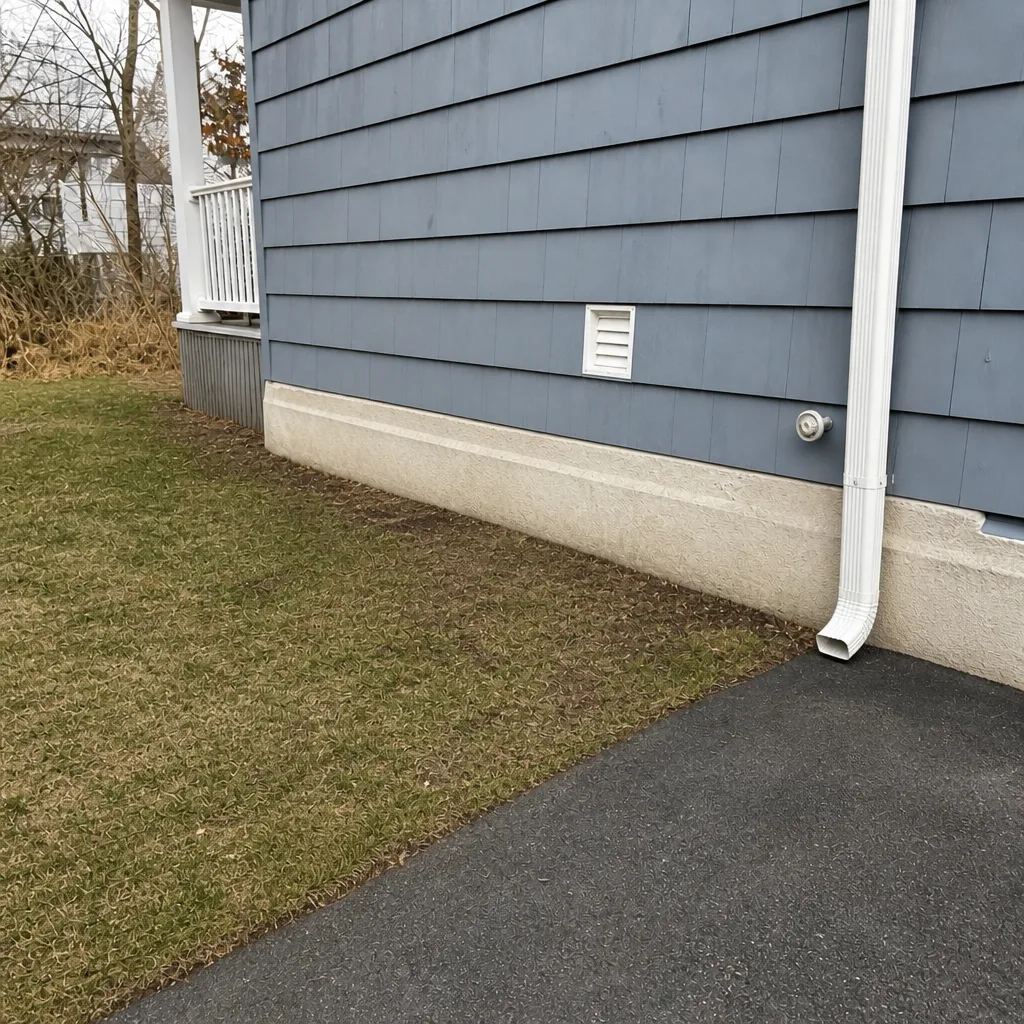
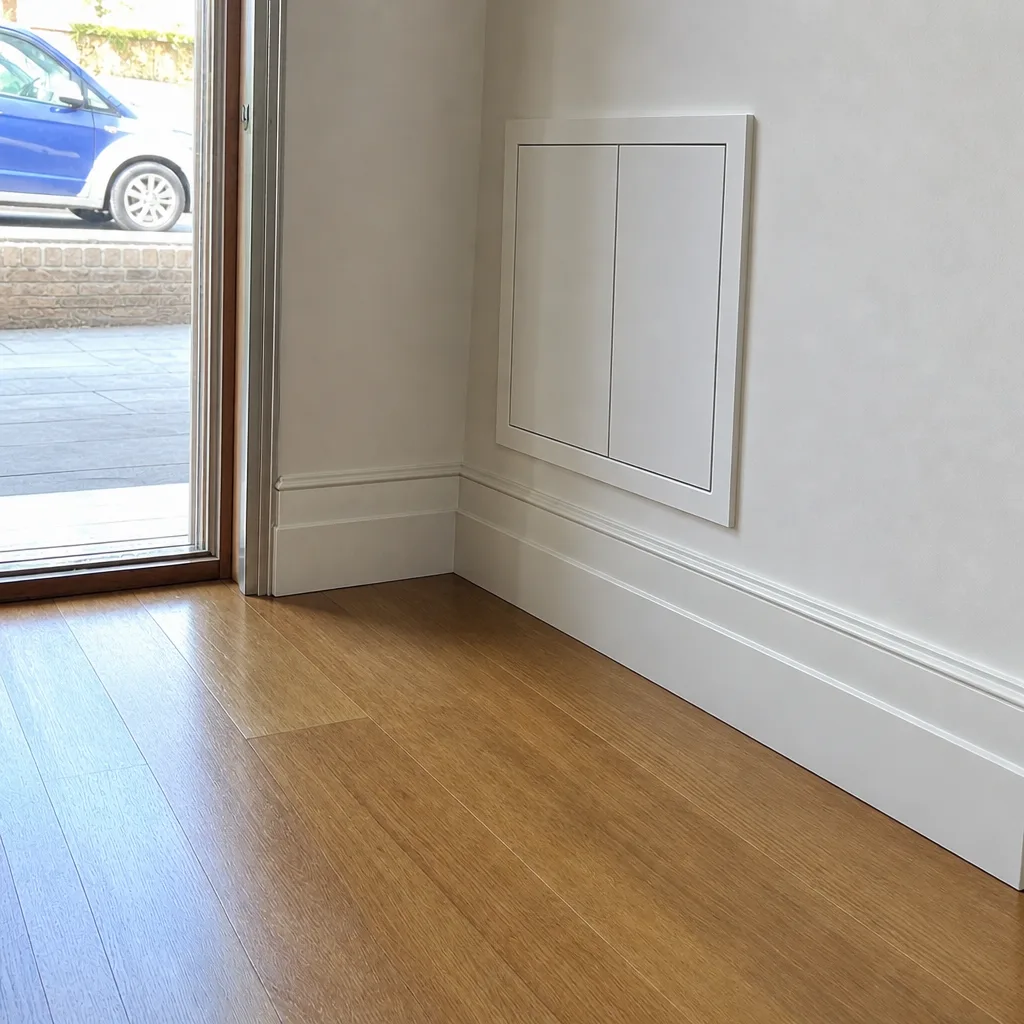
See the difference
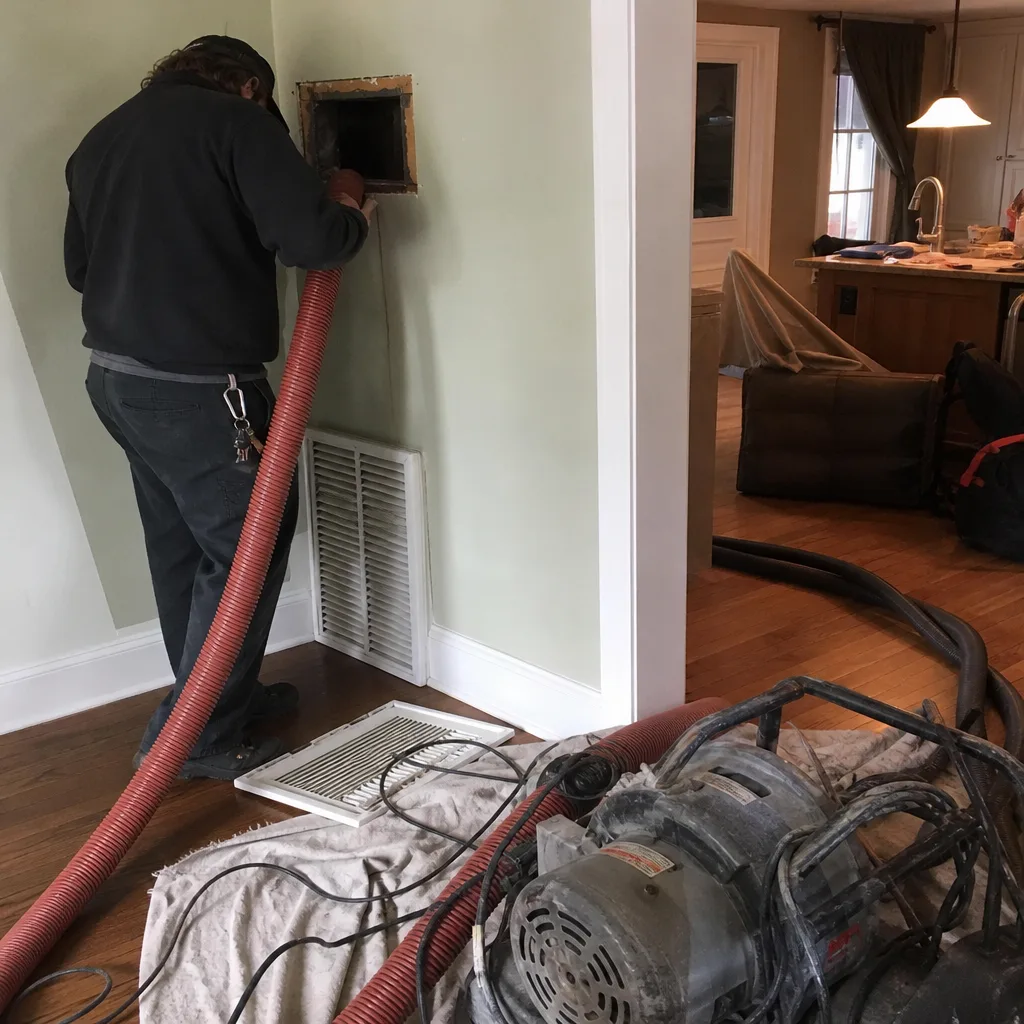 Before
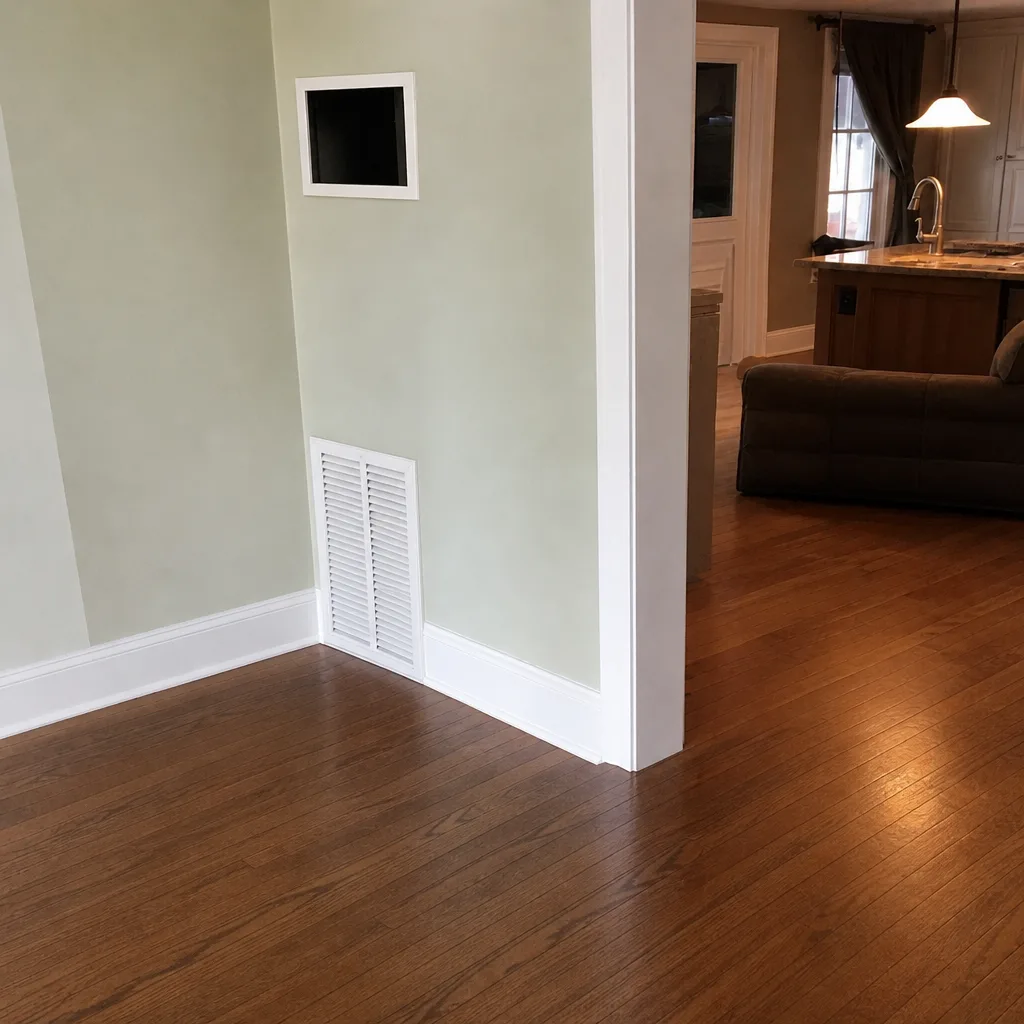 After
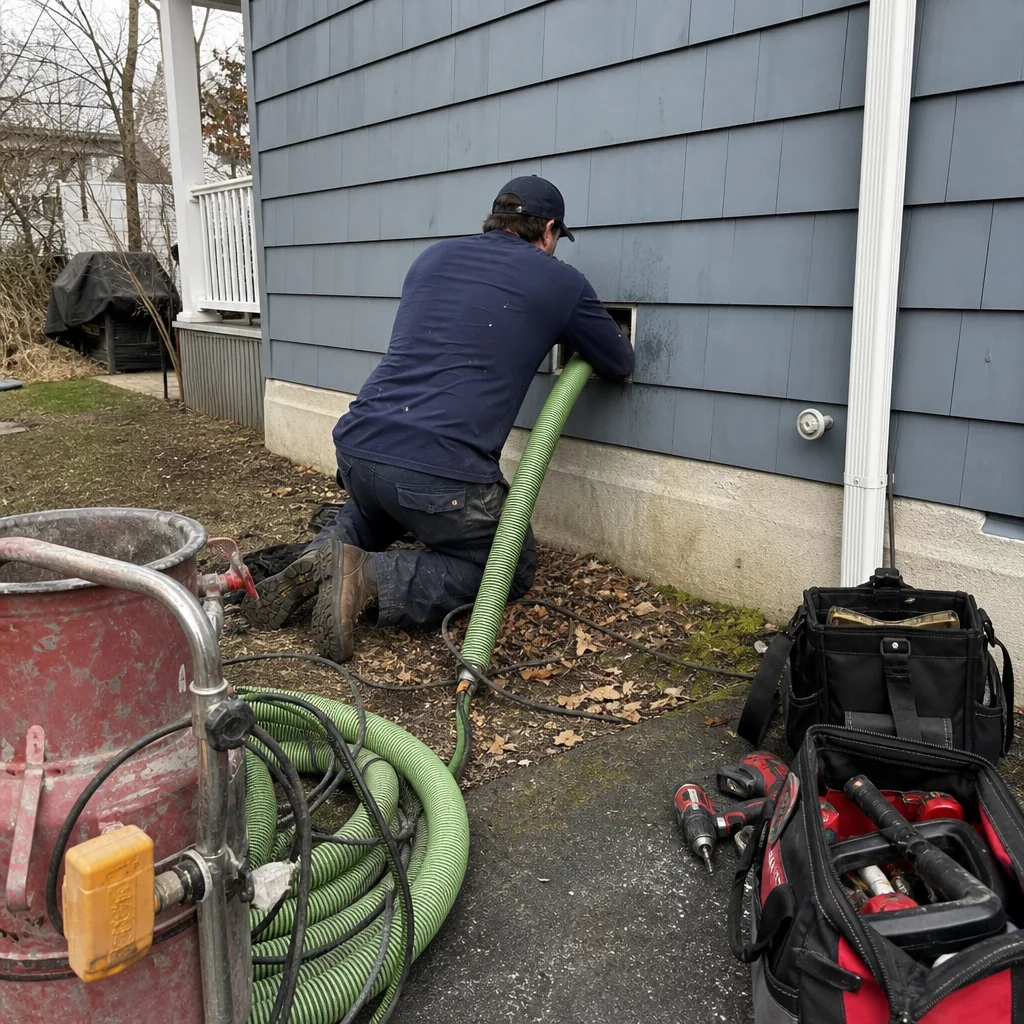 Before
 After
 Before
 After
When to Call a Professional
Some duct conditions resolve on their own schedule and some don’t. Here’s when to pick up the phone rather than wait:
- You’ve moved into a home and don’t know whether the ducts have ever been cleaned.
- The system hasn’t been serviced in many years and you notice visible dust on the register or debris at the return.
- Someone in the home has allergies or respiratory sensitivity and standard filter changes haven’t helped.
- Renovation dust or pest activity has entered the duct path.
- The dryer takes noticeably longer than it used to, and lint accumulation is a reasonable suspicion.
- You hear whistling, rattling, or feel uneven airflow room to room, which suggests a broken or separated duct.
If you’re not sure which of these applies, a walkthrough with a technician usually sorts it out. Duct Cleaning New Bedford offers free estimates in New Bedford. Call (844) 793-0706 to schedule. We answer 24/7. Fast dispatch from 7am to 7pm, Sunday through Friday.
Frequently Asked Questions
Air duct cleaning in New Bedford is typically priced per system, not per vent, with a whole-home cleaning estimated based on the number of runs, the accessibility of ductwork, and whether repair is needed. Whole-system estimates are the honest number to compare. A per-vent rate that looks low can jump once the technician counts the actual vents in the system. The written estimate sets the final price, and the estimate itself is free. Call (844) 793-0706 for a quote. We answer 24/7. Fast dispatch from 7am to 7pm, Sunday through Friday.
Yes, by a wide margin. Shop vacs can’t generate the airflow needed to clean an entire duct run, and they can’t agitate debris off duct walls. A Rotobrush system syncs the brush and the vacuum so loosened material is extracted at the point where it’s freed, which is what prevents redistribution into your home. Consumer vacuums have their place, but duct cleaning isn’t one of them.
Usually because the scope is smaller, the equipment is lower-grade, or the documentation isn’t included. A low quote often covers main trunk cleaning only, with the individual supply runs skipped. Sometimes it also uses a lower CFM vacuum that can’t pull debris from the far end of the system. Compare what’s covered, not just the bottom line. If the gap between two quotes is large, ask each contractor to explain what accounts for it. Call (844) 793-0706 for a flat whole-system estimate on our side of the comparison.
Yes, dryer vent cleaning is one of our three core services and can be scheduled with a duct cleaning appointment. It’s worth treating as a real service, not a line item: lint accumulation in a vent run is a documented fire risk, and a clogged vent increases dryer run time and energy use. We run dryer vent cleaning ourselves with our own equipment rather than subcontracting it. Call (844) 793-0706 to add it to your visit.
Most homes benefit from cleaning every few years, and a home in New Bedford with pets, occupants with allergies, or a system that has never been cleaned will usually benefit sooner. There’s no fixed rule that applies to every house. The practical trigger is usually a combination of the condition of the return grille, visible debris on registers, and the home’s own history. A technician can give you a straight readout of what your system actually needs at the visit, without a maintenance plan or membership pitch.
You ask for before-and-after photos or footage of your own ducts, not stock images of someone else’s. That’s the direct evidence that the process happened, and it’s what a real duct specialist should offer without being asked. During the job, a technician running Rotobrush equipment has a live camera feed of what’s being extracted, so the documentation is a byproduct of the work itself. If a contractor can’t show you your own ducts at the end, the clean is unverified. Call (844) 793-0706 to book an estimate with documentation included.
The Bottom Line
Equipment brand names are the most useful thing on a duct cleaning company’s marketing page, once you know how to read them. Rotobrush is the agitation side of the process, Nikro is the extraction side, and Abatement Technologies is the filtration side for the jobs that need HEPA-grade capture. The brand on the machine is a starting point. What actually decides the outcome of your job is scope set before the work starts, technician skill on the day, and documentation after. One flat price per system, repair capability in-house, and before-and-after proof from your own ducts are the three things a New Bedford homeowner should be unwilling to give up. Your ducts are only as clean as the process behind it.
Ready to Book a Free Estimate?
If you’ve got a New Bedford home with ducts that are overdue, a dryer vent that’s running slow, or a system that needs repair, we’ll come out, walk the system, run the equipment it needs, and write up a flat price per system before anything starts. Call (844) 793-0706 for a free estimate. We answer 24/7. Fast dispatch from 7am to 7pm, Sunday through Friday. Our technicians have up to 15 years of experience, and we’re licensed and insured. Ratings and reviews aren’t the reason to call, and neither is the price. The equipment and the process are what decide whether the cleaning does anything. Call us today and see them both.
Written by the team at Duct Cleaning New Bedford.