
Last updated November 15, 2026
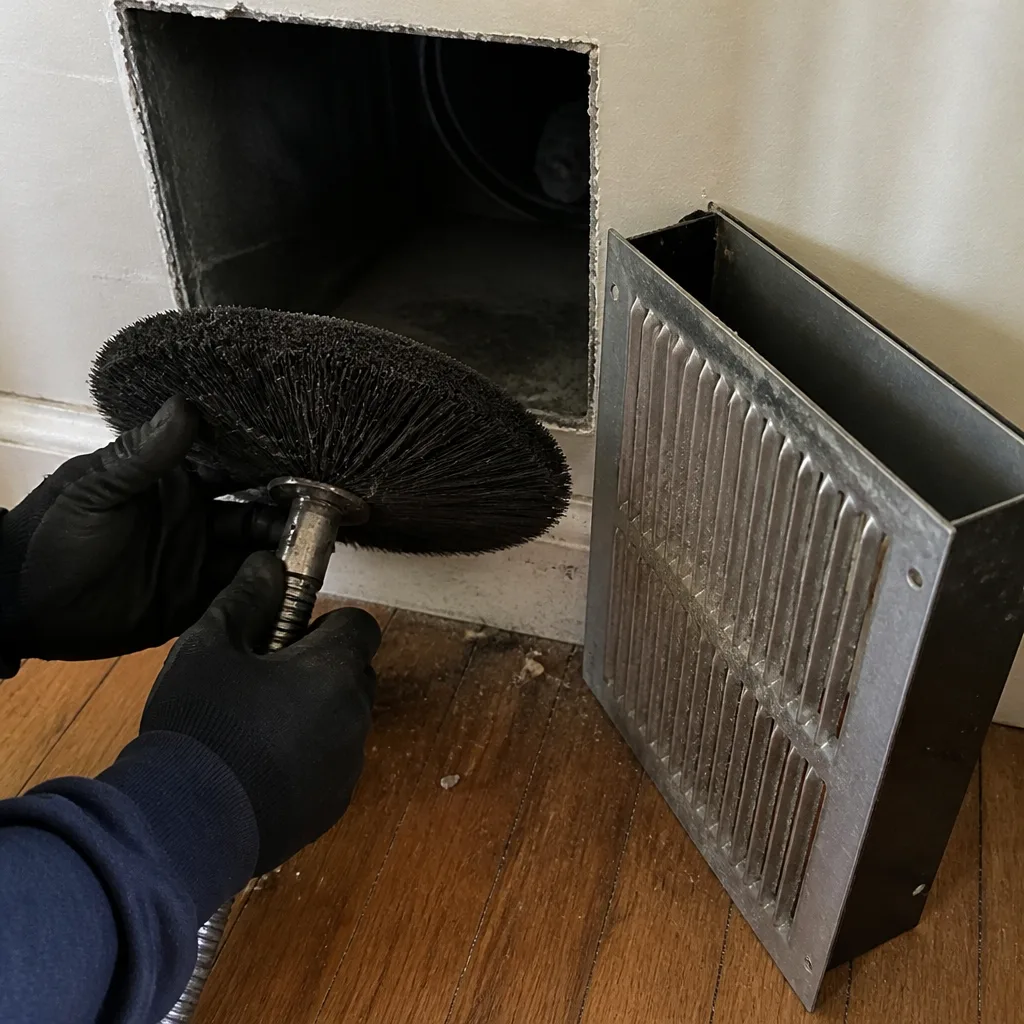
 Whole-home duct cleaning
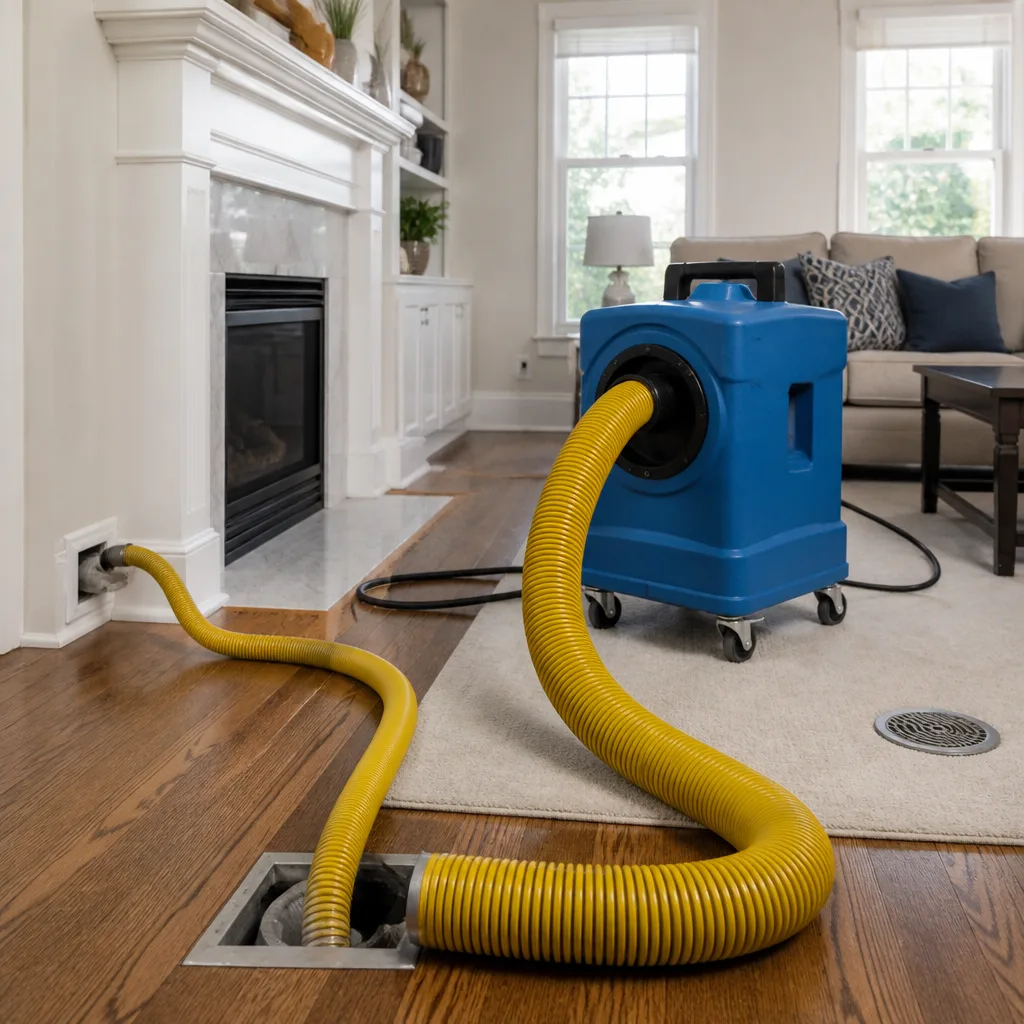
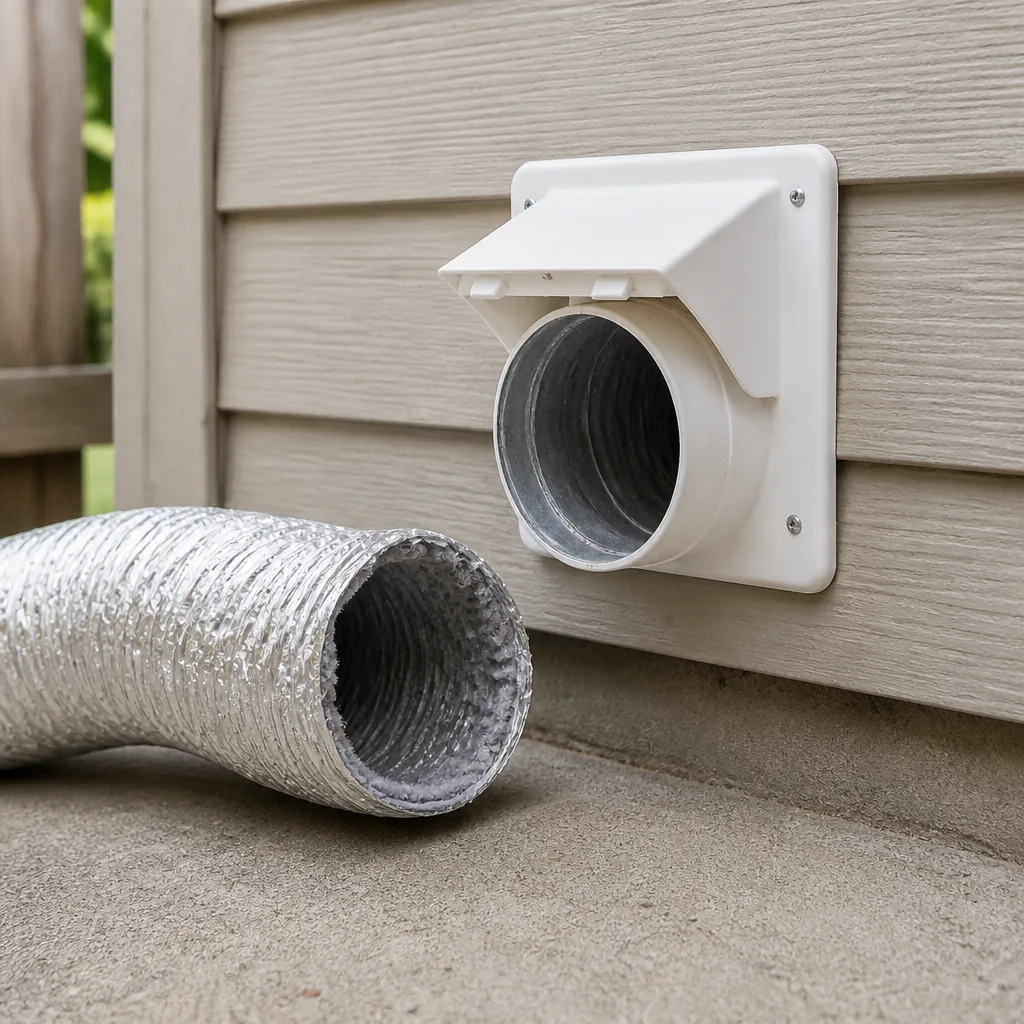 Dryer vent cleaning
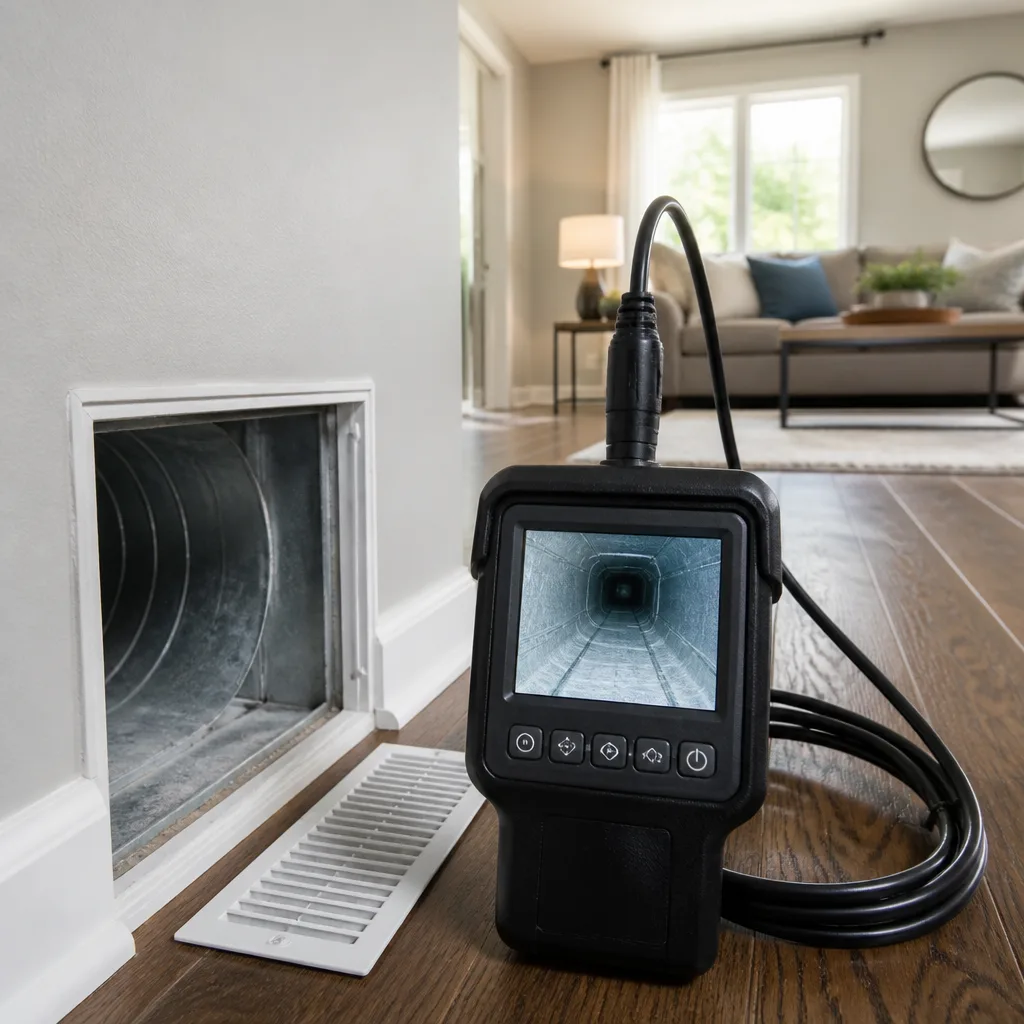 Camera inspection
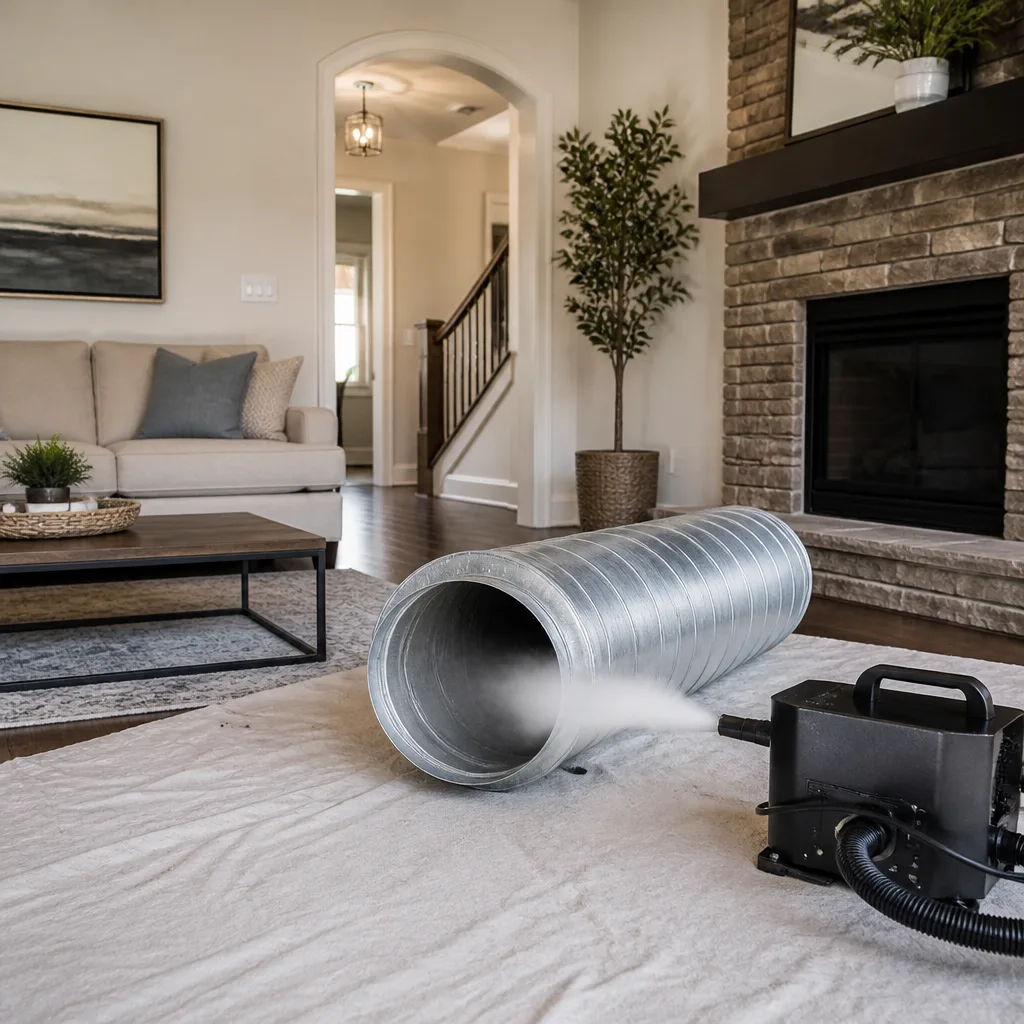 Sanitizing & deodorizing
Whole-system duct and dryer vent check with before-and-after photos - you see exactly what came out of your vents
That "$99 whole-house special" is a bait ad - the real number appears once they are in your hallway, or the "clean" is a shop-vac at the register. We photograph the inside of your ducts before and after instead.
How to Hire an Air Duct Cleaning Contractor in New Bedford: A Step-by-Step Guide
In Massachusetts, any person with a van and a shop vac can legally advertise air duct cleaning. There’s no state license required for the service itself, which means the vetting falls entirely on you. That’s the part most homeowners get wrong. They check star ratings, compare prices, and pick whoever sounds friendliest on the phone. What actually separates a real duct specialist from a low-bid operator is equipment and process, and both are things you can ask about before anyone sets foot in your house. This guide gives you the exact questions to ask, the red flags to watch for, and the written scope you should see before you sign anything in New Bedford.
Quick Answer
To hire an air duct cleaning contractor in New Bedford, ask five specific questions before booking: what vacuum unit they use, its CFM rating, what brush system they run, how they maintain negative pressure, and how debris leaves your home. Get a written scope of work, confirm their insurance covers ductwork damage, and treat price as a filter, not a selling point. A legitimate whole-home job is never a flat bargain rate, and it always includes a pre-inspection and before-and-after documentation.
Styles & brands we work with
- Whole-home duct cleaning
- Dryer vent cleaning
- Camera inspection
- Sanitizing & deodorizing
Table of Contents
- Why Massachusetts Has No Duct Cleaning License
- The Five Equipment Questions to Ask Before You Book
- What NADCA Membership Actually Means
- Red Flags Specific to Low-Bid Operators
- How to Verify Insurance Covers Ductwork Damage
- What a Legitimate Written Scope of Work Includes
- Why Cleaning and Repair Belong Together
- Dryer Vents: A Separate Job With Its Own Questions
Why Massachusetts Has No Duct Cleaning License
Massachusetts doesn’t issue a license for duct cleaning itself. There’s no state board that tests a duct cleaner, no exam to pass, and no credential to look up. That surprises people, especially in a state where electricians, plumbers, and sheet metal workers all carry licenses you can verify online. The gap exists because duct cleaning sits between trades. It’s not HVAC installation, so it doesn’t fall under a refrigeration or sheet metal license. It’s not general contracting, because you’re not building anything. So it stays regulated mostly by whatever standards a contractor voluntarily adopts.
That doesn’t mean anything goes. A contractor working on your HVAC system should still carry general liability insurance, and if they have employees they need workers’ compensation coverage. If the job involves reconnecting or repairing ductwork, that edges toward work a licensed sheet metal contractor would do, and a serious duct company knows where that line is. Ask who does the repair, and if the answer is vague, that’s information.
What This Means for You
Because there’s no license to check, you can’t outsource your vetting to a state database. You have to ask about equipment and process directly. The good news is that a real specialist can answer those questions in plain language without hesitation. Someone running a shop vac and a hose can’t. That gap is the whole filter.
It’s also worth saying that most cities require a permit for structural work, but duct cleaning and repair inside the existing system usually falls outside that. When a job touches something structural, ask your city’s building department whether a permit applies. A contractor who’s comfortable with that question is one you can trust to know the rules.
The Five Equipment Questions to Ask Before You Book
This is the core of the guide. Ask all five, write down the answers, and compare. A contractor who can answer specifically is running real equipment. A contractor who gets vague or defensive is telling you something too. In our experience, these five questions separate a duct specialist from a generalist with a hose faster than any review site.
- What vacuum unit do you use? The answer should be a name and a model, not “a commercial vacuum.” Professional setups use contractor-grade equipment from brands like Rotobrush or Nikro. Those are mechanical, negative-pressure systems built for remediation work, not consumer vacuums with a longer hose.
- What’s the CFM rating? CFM means cubic feet per minute, and it measures how much air the unit moves. Higher airflow is what actually pulls loose debris out of the run instead of stirring it around. Ask for the number. A real operator knows it.
- What brush system do you run? Mechanical agitation is what breaks debris off the duct walls. A rotating brush or a whip system driven by the vacuum does that; a bare hose mostly doesn’t. Ask what the brush head looks like and how it’s driven through the duct.
- How do you maintain negative pressure? Negative pressure means the system is held under vacuum while you work, so loosened debris travels toward the collection unit rather than drifting into your living space. Ask how they seal the registers during the job.
- How is the debris contained and removed? The answer should involve a sealed collection system attached to the vacuum, not a bag in the hallway. For elevated indoor air quality scenarios, containment equipment matters even more, which is why the best setups use gear from Abatement Technologies.
If a contractor can answer all five without pausing, you’re likely talking to a specialist. If they can’t answer even two, thank them and move on. This single conversation does more than an hour of reading reviews.
What NADCA Membership Actually Means
NADCA stands for the National Air Duct Cleaners Association, and it publishes an assessment, cleaning, and restoration standard that much of the industry references. Members agree to follow that standard and are expected to have at least one certified professional on staff. That’s a real signal, and it’s worth asking about. But it’s a voluntary trade membership, not a government license, and it doesn’t guarantee the work you get. A company can hold membership and still send a crew that cuts corners on a given day.
So treat NADCA membership as a filter, not a finish line. If a contractor claims membership, ask which of their people holds the certification and whether that person is on your job. Some companies hold membership at the corporate level while the tech who shows up has never seen the standard. That’s a meaningful difference.
How to Use It Without Over-Relying On It
Use NADCA as one filter among several, alongside the equipment questions above. A contractor who is a member and can name their vacuum unit and its CFM is a strong candidate. A contractor who leans on membership as the entire answer and can’t describe their equipment hasn’t told you enough. Membership is a floor, not a ceiling.
For a city the size of New Bedford, where old triple-deckers and older homes are common and the duct runs are often a mix of original metal and later flex, that distinction matters. A standard-driven process handles the awkward turns and disconnected joints that older systems present. A quick pass with a hose doesn’t.
Red Flags Specific to Low-Bid Operators
The duct cleaning industry has a bait-and-switch reputation for a reason. A low advertised price gets a van to your door, and the invoice grows once the technician is inside. Here’s what to watch for before you book, so you can spot it before it happens.
- A flat whole-home price under $150. Real whole-system cleaning with contractor-grade equipment takes time and labor. A price that low usually means a light surface pass, or a door-opener price that climbs once they’re on site. Treat it as a warning, not a deal.
- No pre-inspection. A serious contractor inspects the system before quoting, because duct condition varies from house to house. If they quote over the phone without looking, they’re guessing or upselling.
- No before-and-after documentation. Photos of your own ducts, before and after, are how you know the work happened. A contractor who won’t provide them is asking you to take it on faith.
- Per-vent pricing. Charging by the vent is a way to inflate the bill as they go. A fair quote covers the whole system as one agreed price.
- No written scope. If the quote is a number on the back of a card, you have no record of what you paid for. A written scope protects you when something goes wrong.
- Pushy upsells on unrelated services. A duct specialist should stick to ducts. If the pitch pivots to a general HVAC overhaul or a mold remediation contract, you’re talking to a sales operation, not a specialist.
None of these are subtle once you know to look. The pattern behind all of them is the same: a company that treats the visit as a sales call rather than a cleaning job. When you compare quotes for duct cleaning in New Bedford, ask each contractor the same five equipment questions and see who answers cleanly.
How to Verify Insurance Covers Ductwork Damage
Ductwork is more fragile than it looks, especially flex duct. A rotating brush run through an older flex run can pull a connection loose, and if that happens, you want to know the contractor’s insurance will cover the repair. Verifying that isn’t complicated, but it does take a phone call or two, and it’s worth making before the job starts.
- Ask for a certificate of insurance. Any legitimate contractor can provide one showing general liability coverage. Look at the policy dates to confirm it’s current.
- Call the insurer to confirm. The certificate names the carrier. A quick call confirms the policy is active and the coverage limits are what the contractor says they are.
- Ask specifically about ductwork. General liability usually covers property damage during work, but confirm the contractor understands that a pulled flex connection is a damage claim, not just a bad day.
- Confirm workers’ compensation if they have employees. If a technician is injured in your home, workers’ comp is what keeps that from becoming your problem.
A contractor who answers these questions without irritation is one who’s used to being asked. That comfort is a good sign. A contractor who gets defensive or claims insurance isn’t relevant is one to walk away from.
What a Legitimate Written Scope of Work Includes
Before you sign anything, get the scope in writing. A real written scope is specific enough that you could hand it to a different contractor and they’d know exactly what was promised. Here’s what it should contain.
- The system covered. Whole-home vs. a partial run, and which registers are included.
- The equipment named. The vacuum unit and brush system, so there’s no ambiguity about what shows up.
- The process steps. Pre-inspection, negative-pressure setup, mechanical agitation, collection, and post-clean verification.
- Before-and-after documentation. Photos of your own ducts, delivered to you.
- The full price, one flat figure. Not per-vent, not a range that grows. One price for the whole system, agreed before work starts.
- The repair contingency. What happens if a disconnected joint or damaged section turns up during cleaning. Whether repair is included, quoted separately, or referred out.
This is also the point to ask about air quality components. If your system has a Honeywell or Aprilaire filter or humidifier, the scope should say whether it gets serviced or left alone. A duct specialist who works with those product lines can address air quality at the system level, not just inside the ducts, and that belongs in the written scope if you want it done.
Why Cleaning and Repair Belong Together
Cleaning-only companies leave broken ductwork behind. That’s not a knock; it’s just the limit of what they do. A disconnected joint, a crushed flex run, or a section that’s pulled loose doesn’t get fixed by a vacuum. It gets cleaned around, and the system keeps leaking air into your crawlspace or attic. That’s why the vetting you’re doing here should include a question about repair capability.
Ask any contractor you’re considering: if you find a disconnected joint or damaged section during cleaning, what happens? The two honest answers are that repair is included in the scope or that it’s quoted separately before any work continues. The dishonest answer is that they’ll “note it” and move on, which means you pay for cleaning on a system that still leaks.
What to Ask About Repair
- Do you repair ductwork or refer it out? If they refer it out, to whom, and what’s the timeline?
- Are you set up to reconnect flex duct and seal joints, or do you only clean?
- How do you protect surrounding surfaces during repair? Products from Guardsman are part of a serious toolkit for exactly this.
Our own approach is straightforward: we clean it, and if it’s broken, we fix it. That’s the standard to hold any contractor to in New Bedford.
Dryer Vents: A Separate Job With Its Own Questions
Dryer vent cleaning is a different service with its own set of vetting questions, and many duct cleaners either skip it or outsource it. The NFPA documents that dryer vents are a leading cause of residential fires, so this isn’t a comfort upgrade. It’s a safety job, and it should be treated like one.
The questions to ask are similar to the duct questions, with a few additions. What brush or auger system do they use for the vent run? How do they verify the vent is clear all the way to the exterior termination? Do they check the transition duct behind the dryer? A vent that’s clear at the dryer but blocked at the exterior cap isn’t done. When you’re vetting a contractor for dryer vent cleaning, ask whether it’s a dedicated service or an add-on, and get the answer in the written scope.
If your contractor runs both duct and dryer vent service under one roof, that’s a sign of a specialist. If they hand dryer vents to a subcontractor, ask who shows up and what equipment they run. Same five questions, applied to a different run.
Common Mistakes to Avoid
- Booking on price alone. The lowest quote is often the highest final invoice. A flat bargain rate under $150 is a warning, not a win. Ask the equipment questions before you compare numbers.
- Trusting a review score over equipment questions. In a state with no duct cleaning license, reviews don’t tell you what vacuum unit is in the van. Ask the five questions directly and treat the answers as your real filter.
- Skipping the written scope. A number on the back of a card is not a scope. Without it, you have no record of what you paid for, and no basis to hold anyone to anything.
- Ignoring the repair question. In older New Bedford homes with mixed metal and flex duct, disconnected joints turn up during cleaning. If your contractor can’t fix them, you’re paying for a half-done job.
- Skipping insurance verification. A pulled flex connection is a property damage claim. Confirm the contractor’s general liability coverage before the job, not after something breaks.
- Assuming NADCA membership is a license. It’s a voluntary standard, not a government credential. Use it as one filter, not the only one.
- Forgetting the dryer vent. A duct job that ignores the dryer vent leaves a documented fire risk in place. Ask about it separately and get it in the scope.
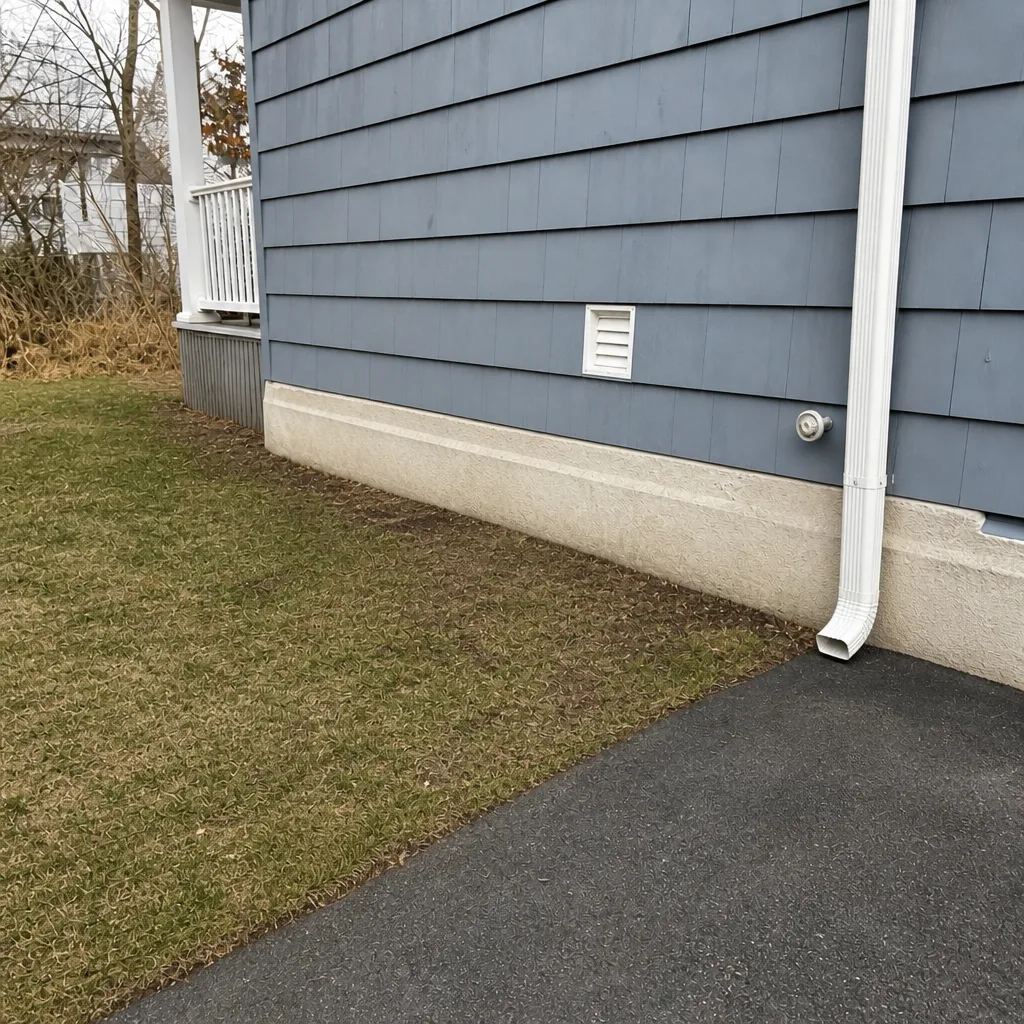
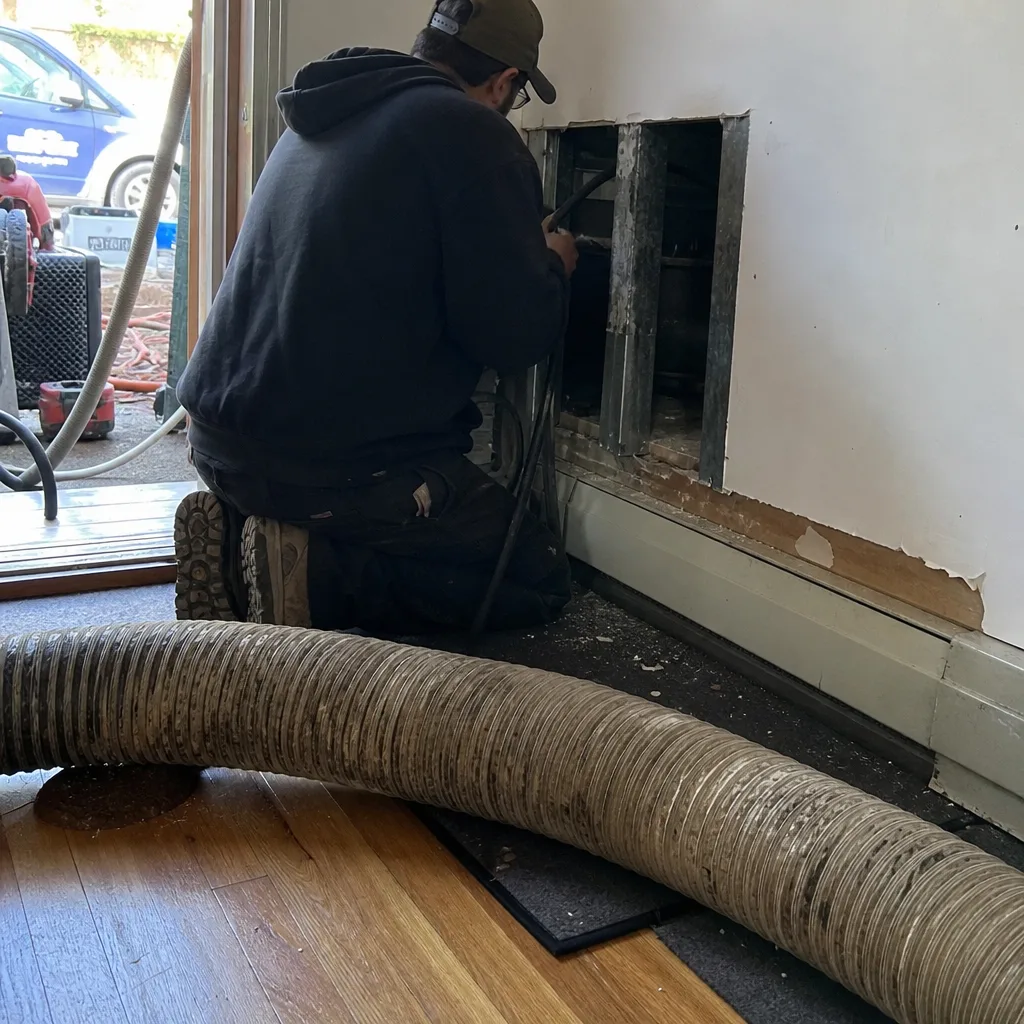
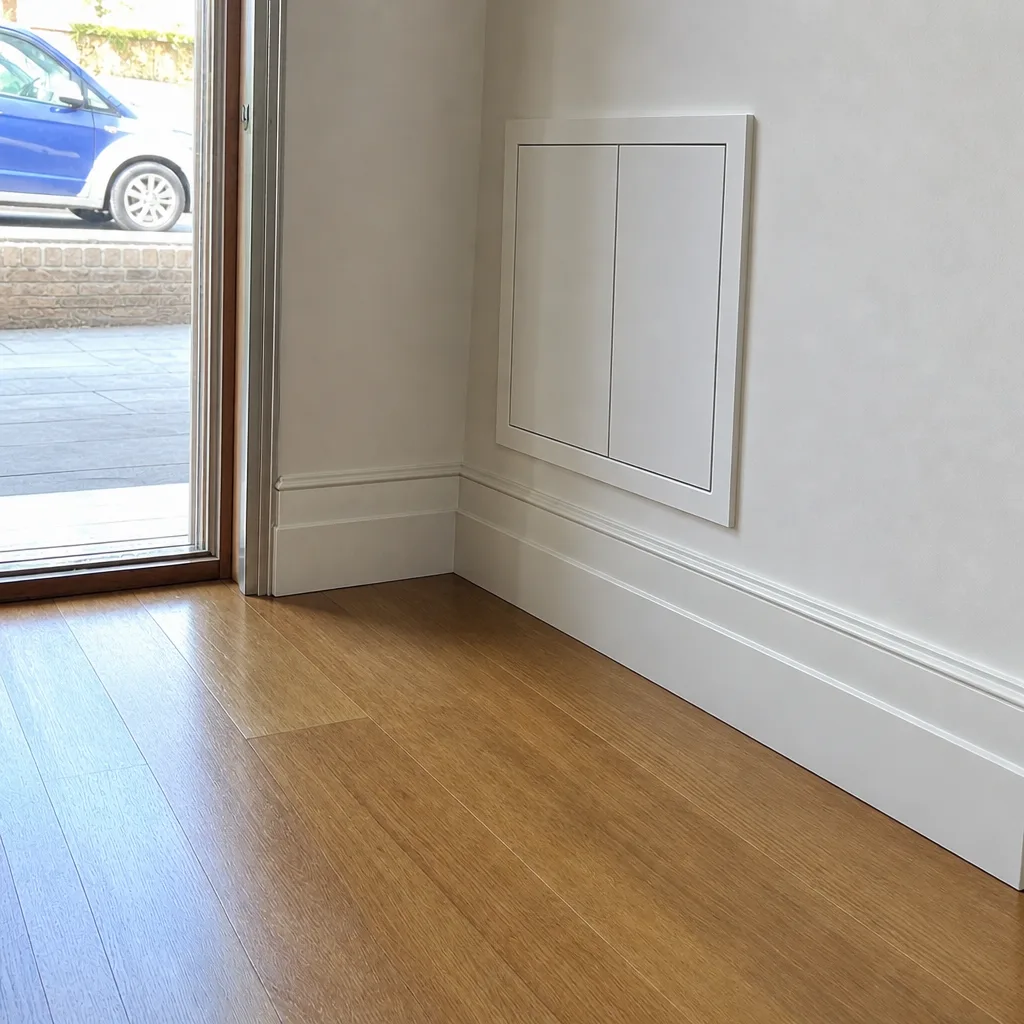
See the difference
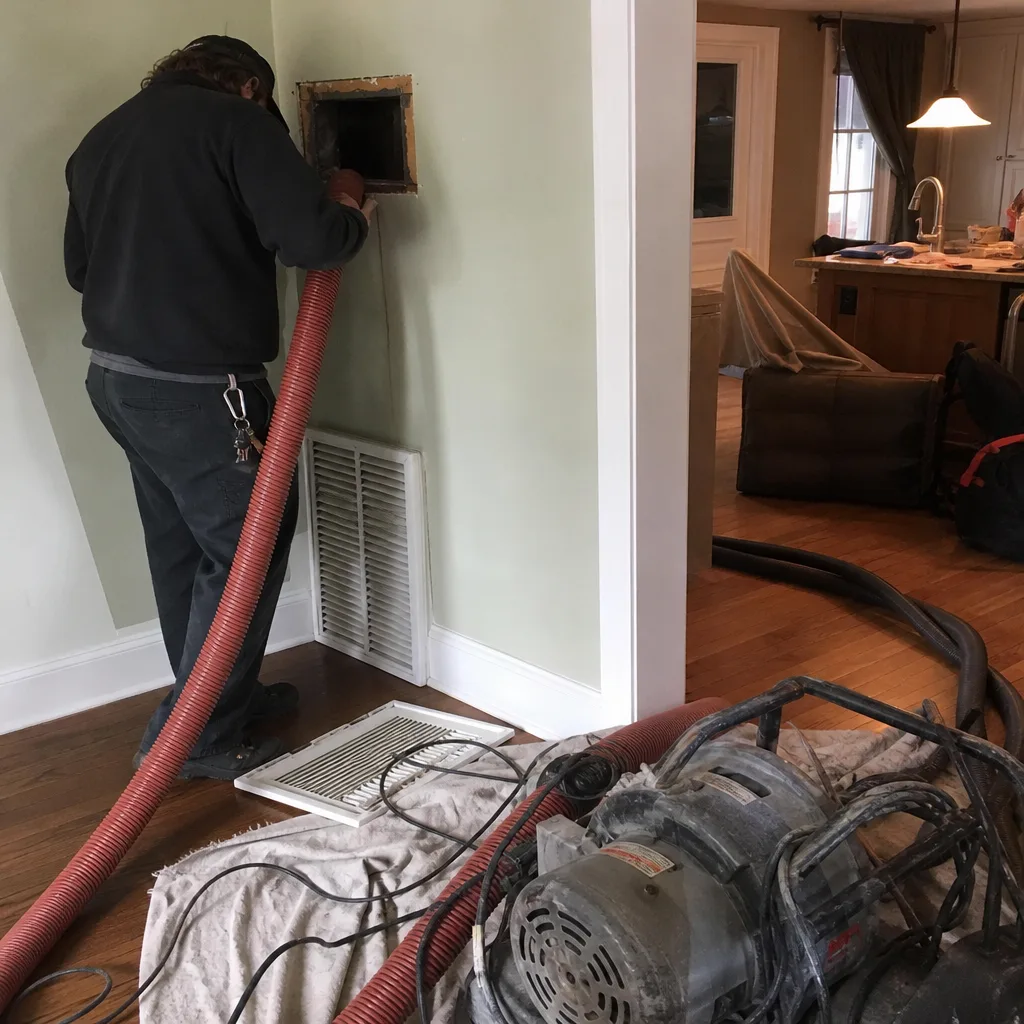 Before
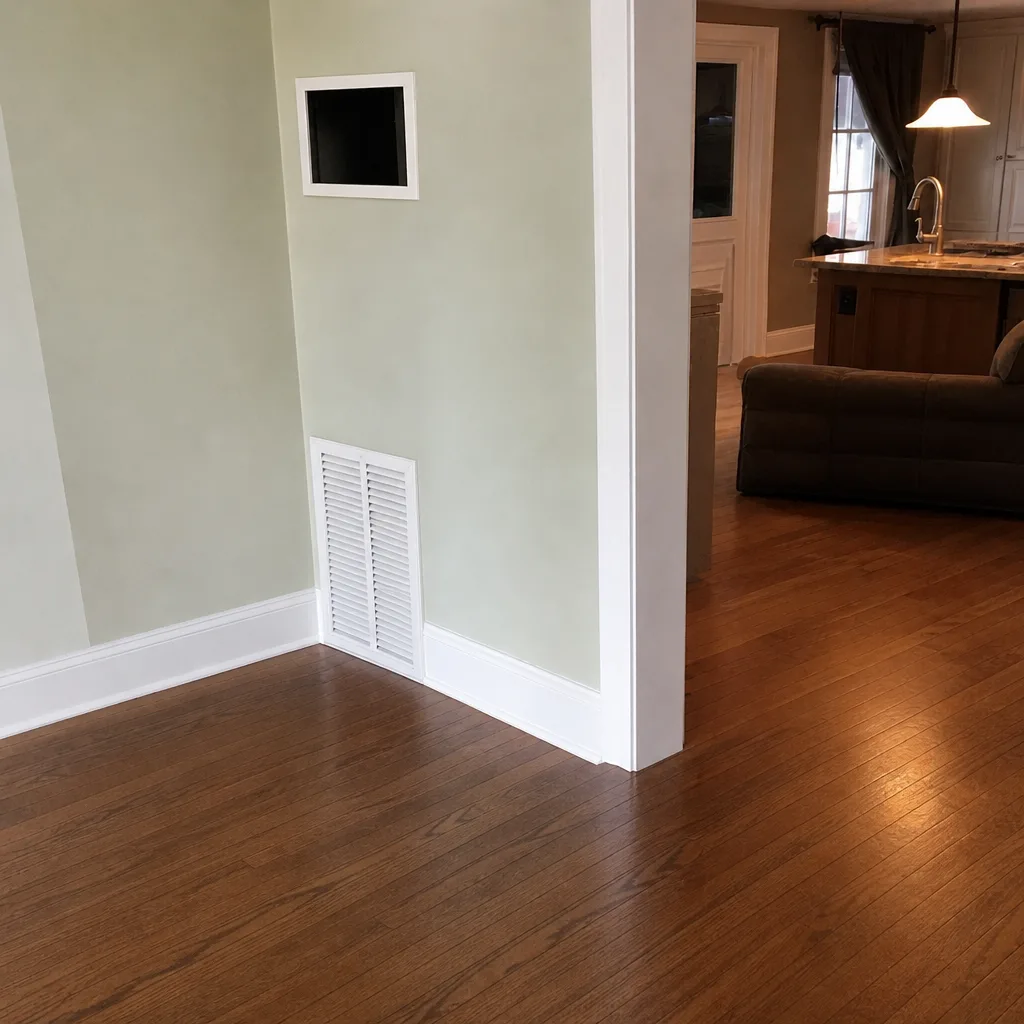 After
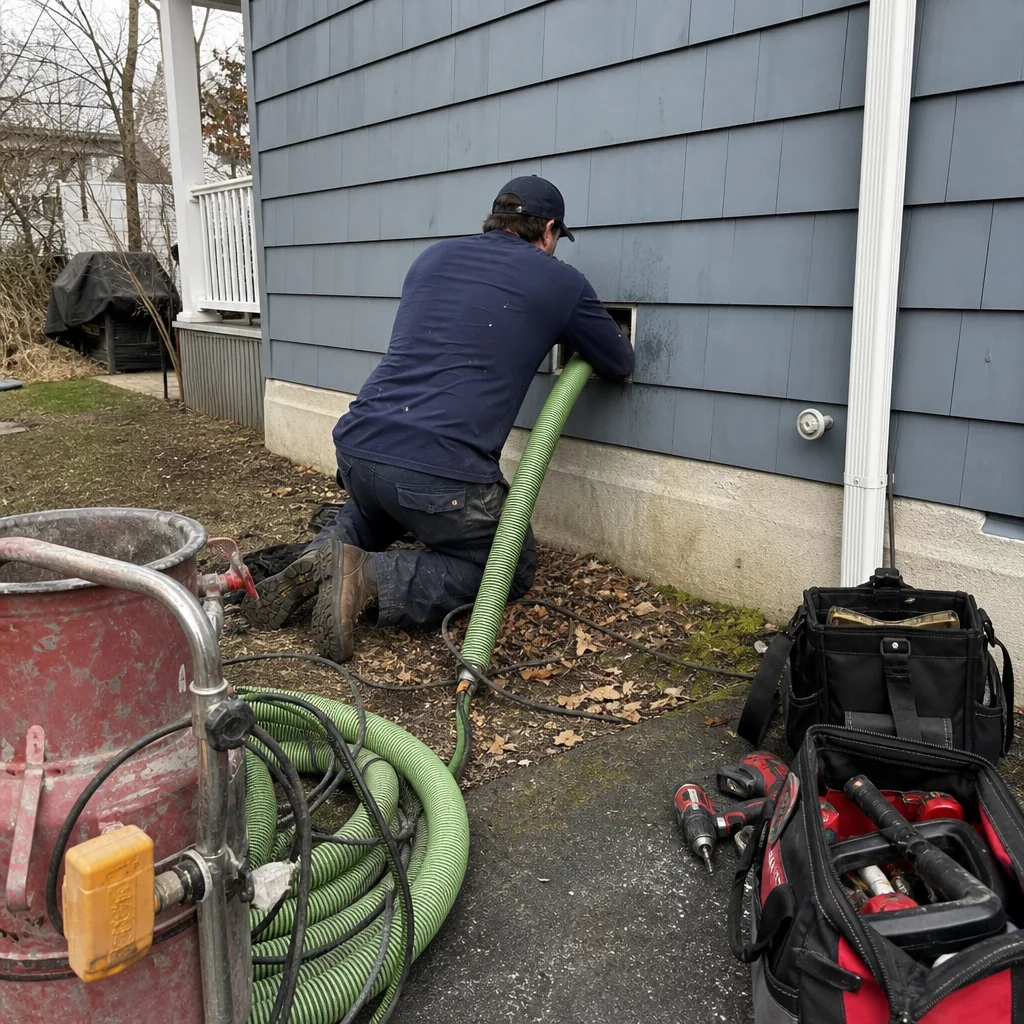 Before
 After
 Before
 After
When to Call a Professional
Some situations call for a specialist rather than a wait-and-see. If you’ve moved into a house in New Bedford and don’t know when the ducts were last cleaned, start with an inspection. If you’ve noticed visible dust blowing from registers, uneven airflow between rooms, or a musty smell when the system runs, those are signs worth a look. If a recent renovation left debris in the system, the ducts need cleaning before the debris settles deep. If your dryer is taking longer than it used to, or the exterior vent flap stays closed, the vent needs a check. And if the system has a disconnected joint or damaged section, repair should happen alongside cleaning, not after. Duct Cleaning New Bedford offers free estimates in New Bedford, and you can call (844) 793-0706 to book one.
When you call, expect the same five questions in reverse. A specialist will want to know the age of your system, whether you’ve had any recent renovation, and whether you’ve noticed any airflow or noise issues. That’s a pre-inspection conversation, and it’s how a real estimate gets built.
Frequently Asked Questions
You vet them on equipment and process instead. Ask the five questions about vacuum unit, CFM rating, brush system, negative pressure, and debris containment, then get a written scope and verify their insurance. In a state with no duct cleaning license, those questions are the only filter that matters. Call (844) 793-0706 for a free estimate.
Low quotes usually skip the equipment or the time. A flat rate under $150 often means a light surface pass with a consumer vacuum, or a door-opener price that climbs once the technician is inside. Real cleaning with contractor-grade equipment takes real time, and a serious contractor charges one flat price per system agreed before work starts. Call (844) 793-0706 for an honest whole-system estimate.
No. NADCA is a voluntary trade association, not a state licensing body. Membership signals that a company follows a published standard, but it doesn’t guarantee the crew on your job. Use it as one filter alongside equipment questions, not as your only check. Call (844) 793-0706 with your questions.
That’s why you verify insurance first. Flex duct connections can pull loose during cleaning, which is a property damage claim. Ask for a certificate of insurance and confirm it’s current before the job. A contractor who can also repair ductwork will fix it on the spot rather than leave you with a broken system.
There’s no single schedule that fits every home. If you’ve had renovation work, moved into a house with unknown duct history, or have allergy concerns, start with an inspection and let the condition of the system set the schedule. A specialist will tell you honestly whether the ducts need cleaning or can wait. Call (844) 793-0706 to ask.
Yes, and a duct specialist usually offers both as dedicated services. Dryer vents are a documented fire risk, so they deserve their own set of questions, not an add-on at the end. Ask whether the dryer vent is its own service and get it in the written scope. Call (844) 793-0706 to book both together.
The Bottom Line
The key to hiring a duct cleaning contractor in New Bedford is remembering that no license protects you, so your questions do. Ask the five equipment questions before you book. Use NADCA membership as one filter, not a guarantee. Watch for flat bargain rates, per-vent pricing, and missing before-and-after photos. Verify insurance before the job, because flex duct can pull loose. Get a written scope with one flat price for the whole system. And choose a contractor who can repair what they clean, so a disconnected joint doesn’t sink the whole job. Those checks are what a serious contractor expects from a serious homeowner.
When you’re ready to book, call Duct Cleaning New Bedford at (844) 793-0706 for a free estimate. We answer 24/7, and fast dispatch runs from 7am to 7pm, Sunday through Friday. Our technicians have up to 15 years of experience, and we use contractor-grade equipment from Rotobrush and Nikro, with Abatement Technologies gear on hand for higher indoor air quality scenarios. We quote one flat price per system before work starts, backed by a satisfaction guarantee. For local service from a duct specialist rather than a generalist, start with duct cleaning in New Bedford. You can also read more about the area on our New Bedford page, or go straight to air duct cleaning if your system is due. You’ll find the main hub at Duct Cleaning New Bedford to book your first visit.
Written by the team at Duct Cleaning New Bedford.