
Last updated November 15, 2026
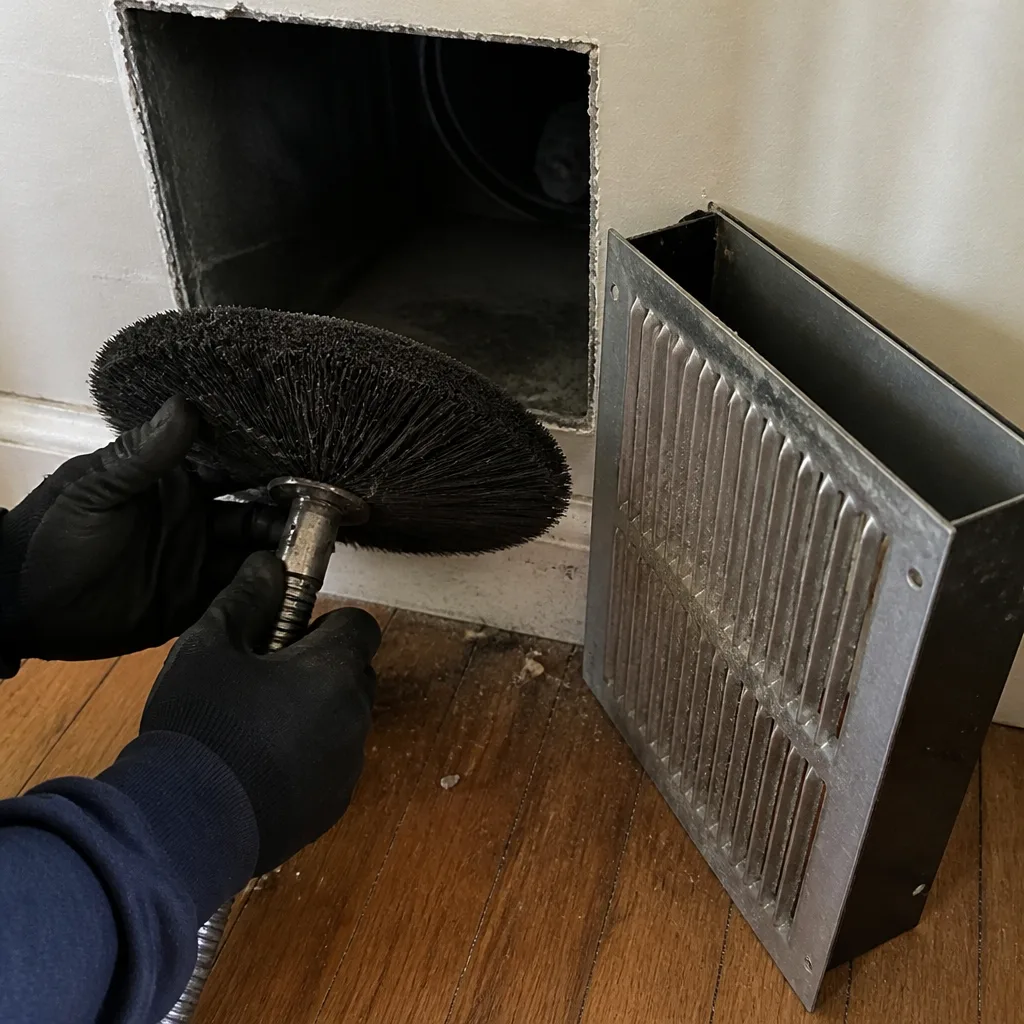
 Whole-home duct cleaning
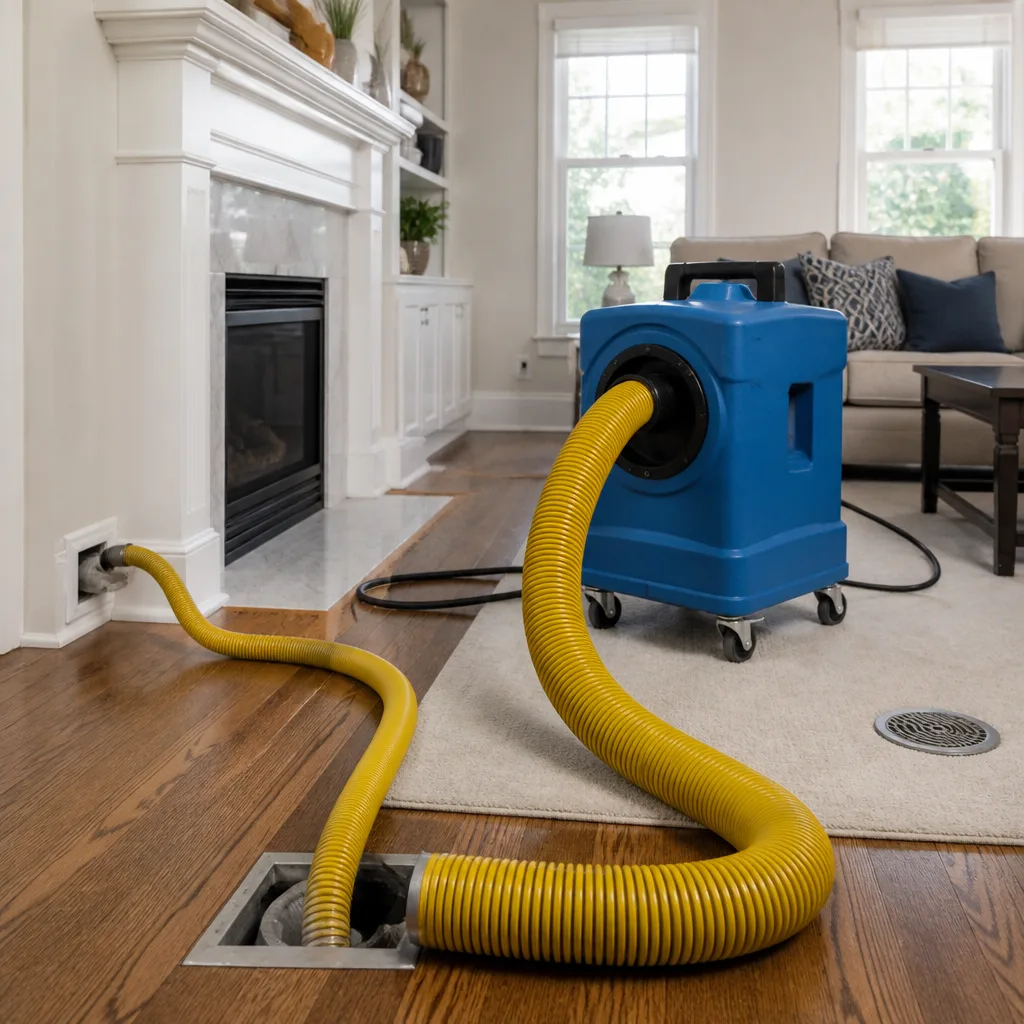
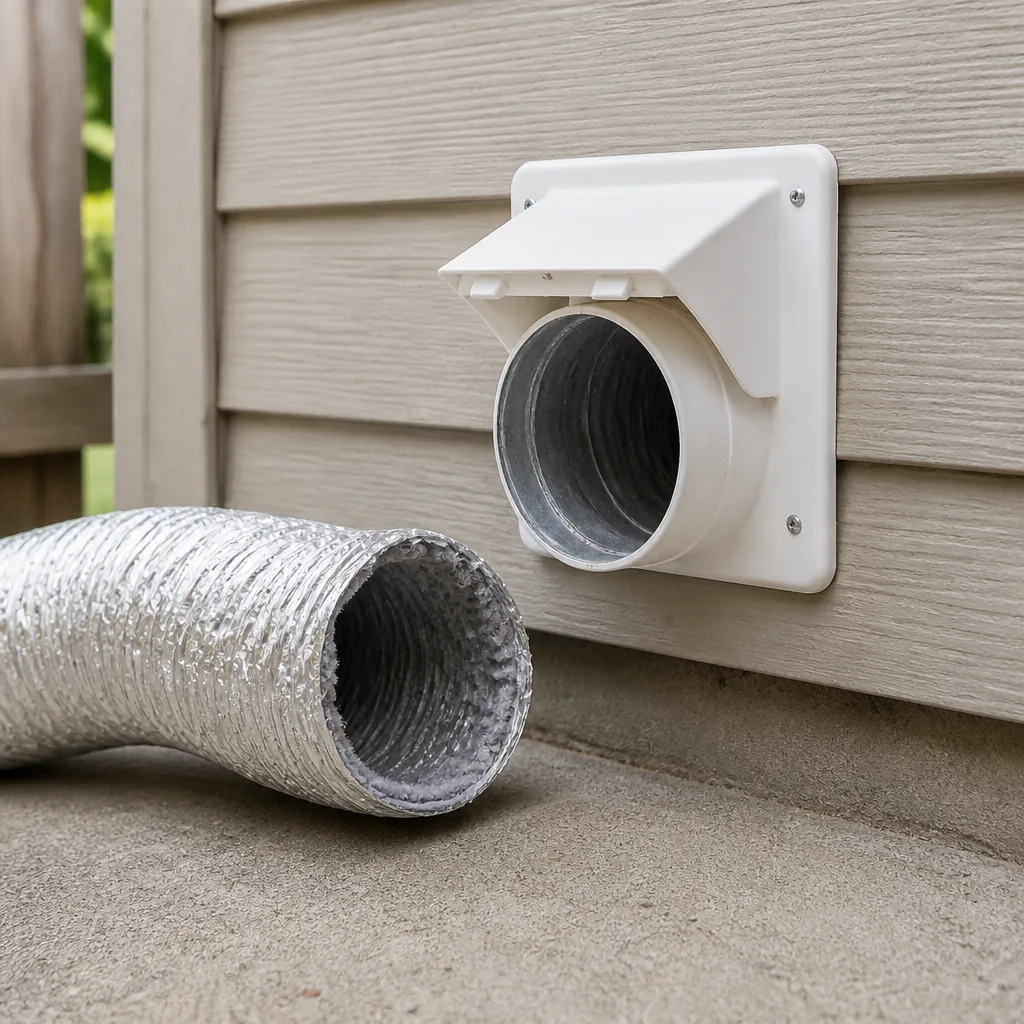 Dryer vent cleaning
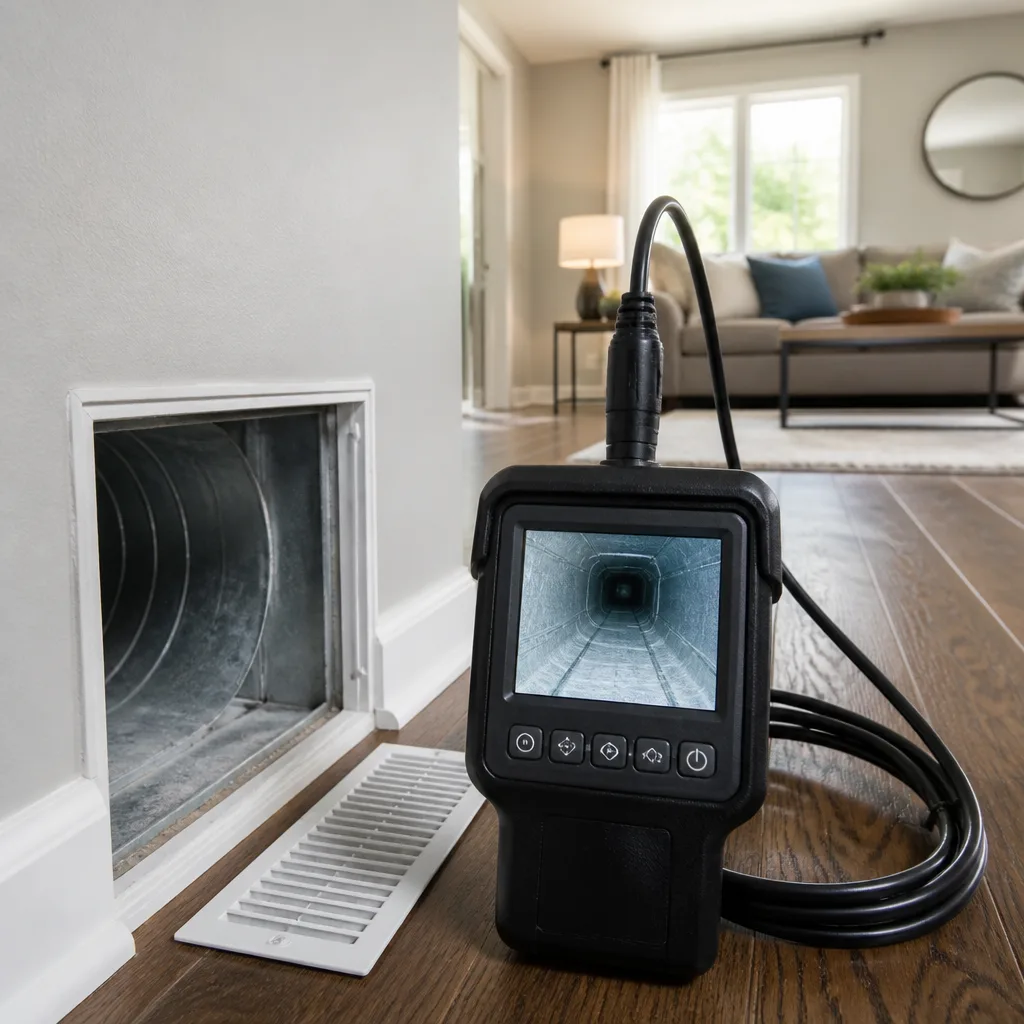 Camera inspection
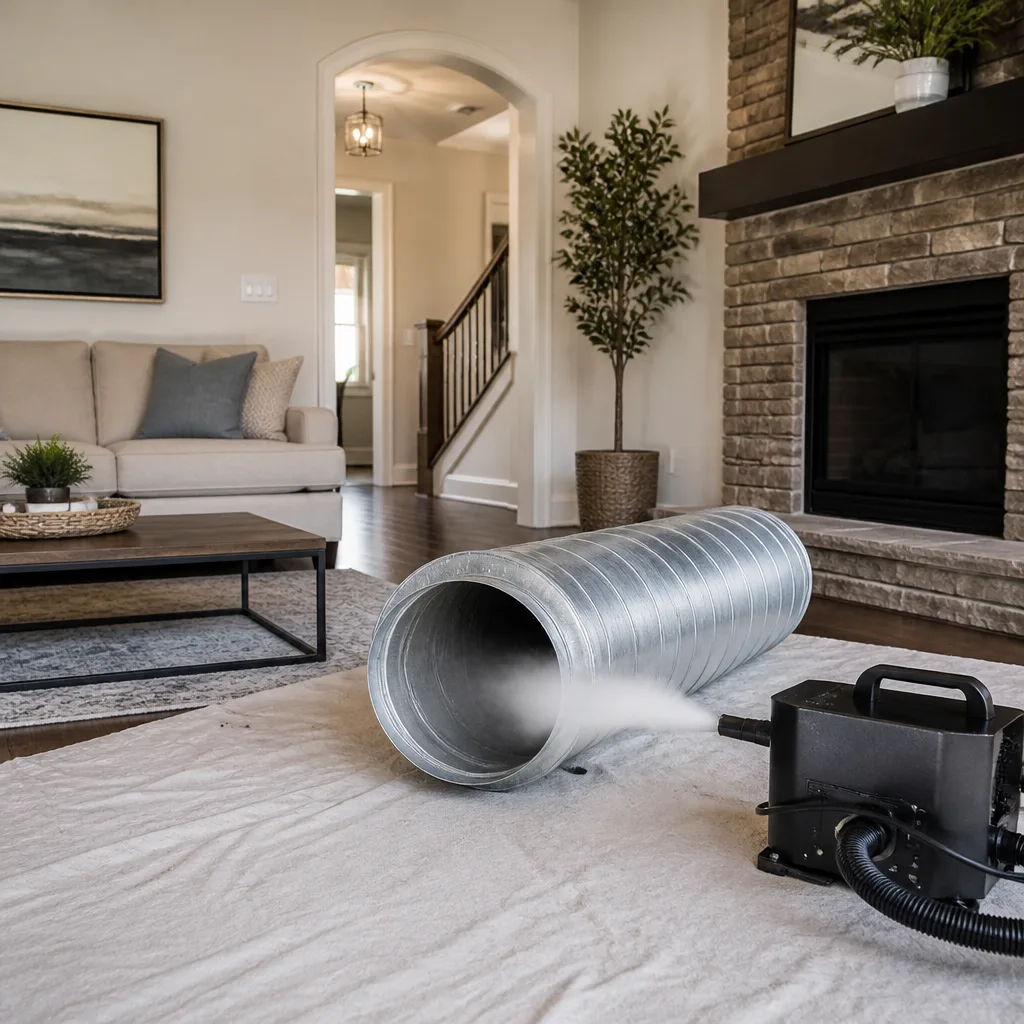 Sanitizing & deodorizing
Whole-system duct and dryer vent check with before-and-after photos - you see exactly what came out of your vents
That "$99 whole-house special" is a bait ad - the real number appears once they are in your hallway, or the "clean" is a shop-vac at the register. We photograph the inside of your ducts before and after instead.
Air Duct Cleaning Warning Signs: A New Bedford Homeowner’s Reference Guide
Visible dust on a supply register and a burning smell coming from the same vent are not the same problem, and treating them as equally urgent is how homeowners end up either panicking over a cosmetic issue or ignoring a mechanical one. Most warning-sign lists flatten every symptom into a single bulleted list. This guide doesn’t. We sort what you’re seeing into three severity tiers so you know whether to call today, schedule within weeks, or jot it down for later. You’ll also find the checks that matter in New Bedford specifically, where older housing stock throws off warning signs newer homes simply don’t produce.
Quick Answer
Air duct cleaning warning signs fall into three tiers: cosmetic signals (visible dust, minor odors) that warrant scheduling within a few months, performance signals (uneven room temperatures, weak airflow, rising dust after a filter change) that warrant scheduling within weeks, and safety signals (burning smells, oil soot, visible mold near vents) that warrant a call now. The single most useful diagnostic step is photographing what you see before you call, which turns a diagnosis visit into a five-minute conversation.
Styles & brands we work with
- Whole-home duct cleaning
- Dryer vent cleaning
- Camera inspection
- Sanitizing & deodorizing
Table of Contents
- The Three-Tier Severity Framework
- Soot or Mold? Telling Them Apart Without Opening Ductwork
- Why Some Rooms Run Cold: Duct Problem or HVAC Capacity Problem?
- Warning Signs Unique to New Bedford’s Older Housing Stock
- What to Photograph Before You Call
- When Cleaning Isn’t Enough: Recognizing Damaged Ductwork
- The Warning Signs Most Guides Leave Out: Your Dryer Vent
- What Real Equipment Looks Like vs. a Shop Vac and a Hose
The Three-Tier Severity Framework
Every warning sign you notice belongs to one of three tiers, and the tier determines your timeline, not the symptom alone. A dust ring on a register in a house that hasn’t been cleaned in years is a Tier 1 signal. The same dust ring plus a musty smell in the hallway is a Tier 2. Add a burning or acrid note and it’s Tier 3. Sorting by severity keeps you from over-reacting to cosmetics and under-reacting to something mechanical.
Tier 1: Cosmetic Signals (schedule within months)
- Dust streaks or dark rings around supply registers
- Visible dust settling on furniture days after cleaning
- A faint, dusty smell when the system first kicks on
- Registers that look grimy but blow strong, steady air
These are real, but they’re maintenance signals, not emergencies. They say the system is due, not that something is failing.
Tier 2: Performance Signals (schedule within weeks)
- One or two rooms that never heat or cool like the rest
- Airflow that feels weak at registers that used to blast
- Dust returning fast after a fresh filter
- Allergy symptoms that ease when you leave the house and return when you come back
- A musty or stale odor that lingers after the system shuts off
Performance signals mean the system is losing efficiency somewhere. Left alone, they tend to get worse, not better.
Tier 3: Safety Signals (call now)
- A burning, oily, or acrid smell from any vent
- Black soot traces near registers (a strong indicator with oil heat)
- Visible mold or dark staining on or around a register
- Any smell you can’t identify that wasn’t there before
Tier 3 signals involve combustion byproducts or biological growth. We clean ducts and repair ductwork; we don’t diagnose furnaces or oil burners, and a burning smell needs an HVAC technician or your fuel provider involved alongside any duct work. Don’t run the system on a hunch.
Soot or Mold? Telling Them Apart Without Opening Ductwork
Two of the most common concerns in New Bedford homes look similar from the outside and need completely different responses. Oil-heat soot and mold growth both show up as dark material around vents, but they differ in texture, smell, and where they appear. You can tell them apart with your eyes and nose, no tools required.
Soot from oil heat
- Texture: dry, powdery, smudges like graphite on a finger
- Smell: sharp, oily, slightly sulfurous, like a kerosene heater
- Location: concentrated near supply registers, often with faint dark trails
- Behavior: wipes off easily, leaves a gray residue on a white cloth
Soot means combustion isn’t completing cleanly. That’s a furnace or burner issue first. A duct cleaning removes what’s already in the system, but the source needs a technician. Don’t ignore it. If you smell oil or see heavy soot, shut the system down and call.
Mold
- Texture: fuzzy, spotted, or patchy; sometimes powdery but with visible growth patterns
- Smell: musty, earthy, damp-basement smell
- Location: often near returns, on duct board, or where a run passes through a damp basement or crawlspace
- Behavior: smears rather than wipes clean, may stain the surface beneath
Mold needs moisture to grow. In older New Bedford houses, the moisture source is usually a damp basement, a leaky run, or condensation on cold ductwork. Cleaning a moldy duct without addressing the moisture will only delay the return. Our equipment includes Abatement Technologies gear for containment during this kind of work, and we’ll tell you honestly when a moisture source needs addressing first.
Why Some Rooms Run Cold: Duct Problem or HVAC Capacity Problem?
A bedroom that runs five degrees colder than the rest of the house is the warning sign homeowners most often misread. It’s usually a duct problem, not a furnace sizing problem, and there’s a simple test that tells you which.
The register test
- Hold a tissue or a hand in front of the register in the cold room. Does air move with the same force as a register in a warm room? If yes, it’s likely a capacity or balancing issue. If no, it’s likely a duct problem.
- Check whether the cold room’s register is a supply or a return. A room with a supply but no return will always feel under-served.
- Look for a damper near the duct branch feeding that room. Many older New Bedford homes have manual dampers that have been closed and forgotten.
- Check the run itself for obvious sagging, disconnection, or crushed sections. Flex duct is the usual suspect.
- If airflow is weak and the run looks intact, the correct next step is a professional inspection, not a bigger furnace.
In our experience, “we need a bigger system” is one of the most expensive wrong conclusions a homeowner can reach. A crushed flex run, a disconnected collar at a boot, or a leaking trunk joint will starve a room no matter how much capacity you throw at it. Cleaning and air duct cleaning together, done properly, will reveal those defects because the process requires inspecting the runs, not just vacuuming them. If you suspect a duct problem, don’t upsize the equipment. Fix the ducts first.
Warning Signs Unique to New Bedford’s Older Housing Stock
New Bedford has a large share of homes built before 1950, and older ductwork fails in ways that newer systems don’t. These are the three signals we watch for most often in the city’s older neighborhoods, and they don’t appear on generic checklists.
1. Flex duct sagging in the basement or crawlspace
Rigid sheet metal was the standard in mid-century construction, and plenty of those trunks are still in place. Where a run was later extended, converted, or rerouted, flex duct was often the material of choice. Flex duct that sags between hangers collects dust at the low points and restricts airflow. When you see the outer jacket drooping, the inner liner is often pinched. That’s a performance signal, not a cosmetic one.
2. Galvanized duct rust bleed-through
Uninsulated galvanized ductwork in a damp New Bedford basement or crawlspace will rust over time, and rust stains bleeding through the metal are a warning that the duct is losing integrity. Surface rust on the outside is a cosmetic signal. Rust that’s beginning to pit or flake inside the run is a performance signal. Rust that’s joined by damp conditions anywhere near return ductwork is a Tier 2 at minimum, because moisture is the setup for mold growth.
3. Deteriorated duct board insulation
Duct board was common in homes from the 1970s through the 1990s, and its interior lining breaks down with age. When duct board insulation starts to flake or fray, the fibers enter the airstream. That’s not something cleaning alone solves. The run usually needs repair or replacement. Many cleaning-only companies will vacuum a deteriorating duct board and leave it in place. We don’t, because cleaning a surface that’s actively shedding is a waste of everyone’s time. If it’s broken, we fix it.
What to Photograph Before You Call
If you’ve ever called a duct cleaner and had to walk them through every room while they looked around for five minutes, you know the drill. A few phone photos taken before the call turn that site visit into a phone conversation, and they give you a record of the conditions you noticed.
Photograph these before you call
- Each register that concerns you – supply and return, with the grille in place and again with it removed if you can lift it safely
- The furnace or air handler area – including the filter, filter slot, and any soot or dark staining
- The basement or crawlspace duct runs – wide shots showing how the runs are supported, plus close-ups of any sagging, rust, or connection points
- The filter itself – photographed on the day you change it, and again after a week, so the change in color is documented
- Any soot or mold you suspect – in bright, natural light, with something for scale (a coin, a ruler)
- The dryer vent exterior – the outside flap, and the length of the run if visible
Note on safety: don’t open the furnace panel, don’t remove electrical covers, and don’t reach into the air handler. Registers and grilles are fine. Anything involving the heat exchanger, burners, or wiring is for a trained technician. If you’re not sure whether a photo requires opening something, skip the photo and describe it on the call.
When Cleaning Isn’t Enough: Recognizing Damaged Ductwork
Some of the warning signs in this guide are signs that cleaning alone won’t solve. That’s the honest line most cleaning companies won’t draw, because their business model is the cleaning. Ours includes repair as a separate service, so we can tell you which side of the line your ducts fall on.
Signs the duct system needs repair, not just cleaning
- Runs that are visibly disconnected from the register boot or trunk
- Flex duct with crushed or torn outer jackets
- Duct board with flaking or exposed interior lining
- Sections of flex duct routed with sharp 90-degree bends that pinch airflow
- Rust that has thinned or pitted the metal inside the run
- Return ductwork pulling air from a damp or unconditioned space
Each of these means air is being lost or contaminated before it reaches a room. Cleaning and repair done in one visit cost less than cleaning, then discovering a problem, then calling back. That’s the practical reason we offer both services: it lets us address the system as a whole rather than handing you a cleaned duct with a hole in it.
Where Honeywell and Aprilaire fit in
Once the ductwork itself is sound, filtration and humidification live at the system level. Honeywell and Aprilaire components are the common workhorses for media filtration and whole-home humidity control, and we work with both. If your ducts are clean and sealed but the house still feels dry in winter or dusty year-round, those are the parts we look at next. Cleaning the ducts doesn’t solve filtration design, and filtration design doesn’t solve dirty ducts. You need both, in that order.
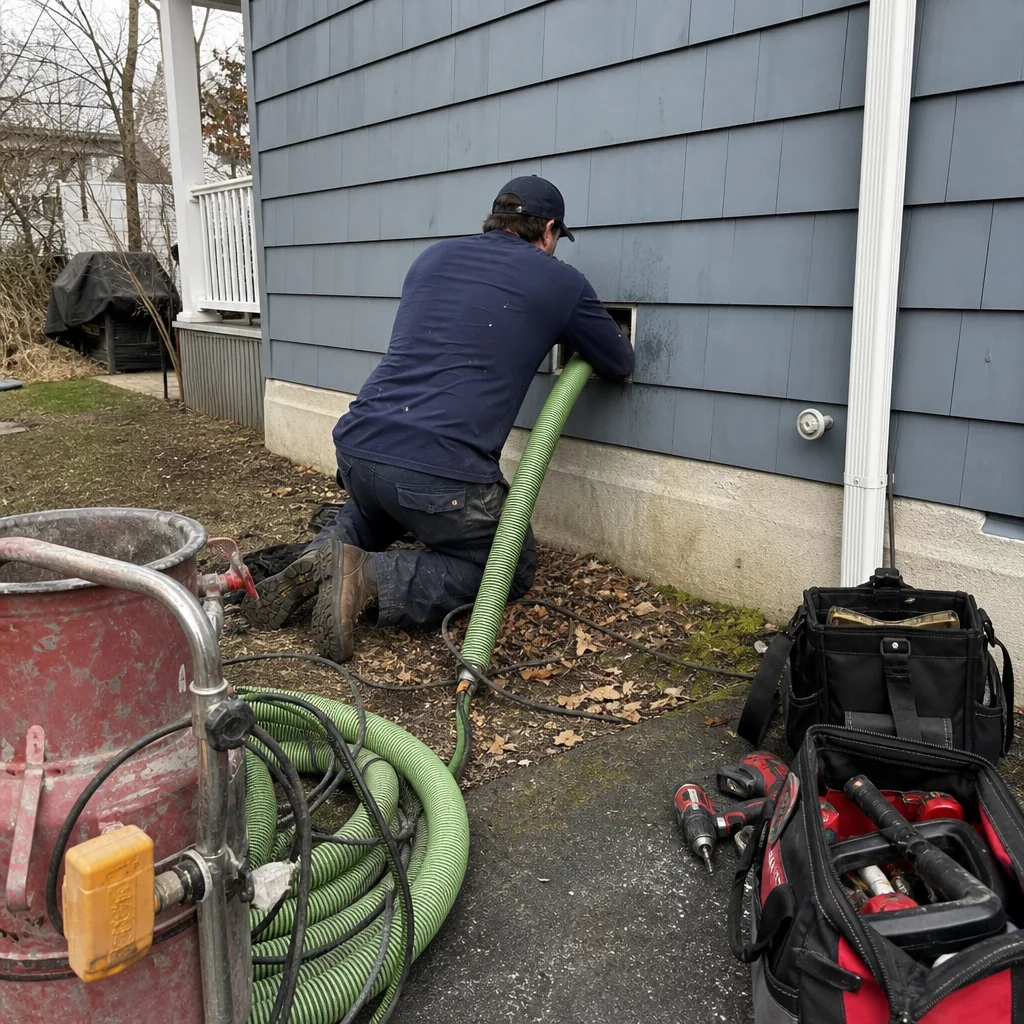
The Warning Signs Most Guides Leave Out: Your Dryer Vent
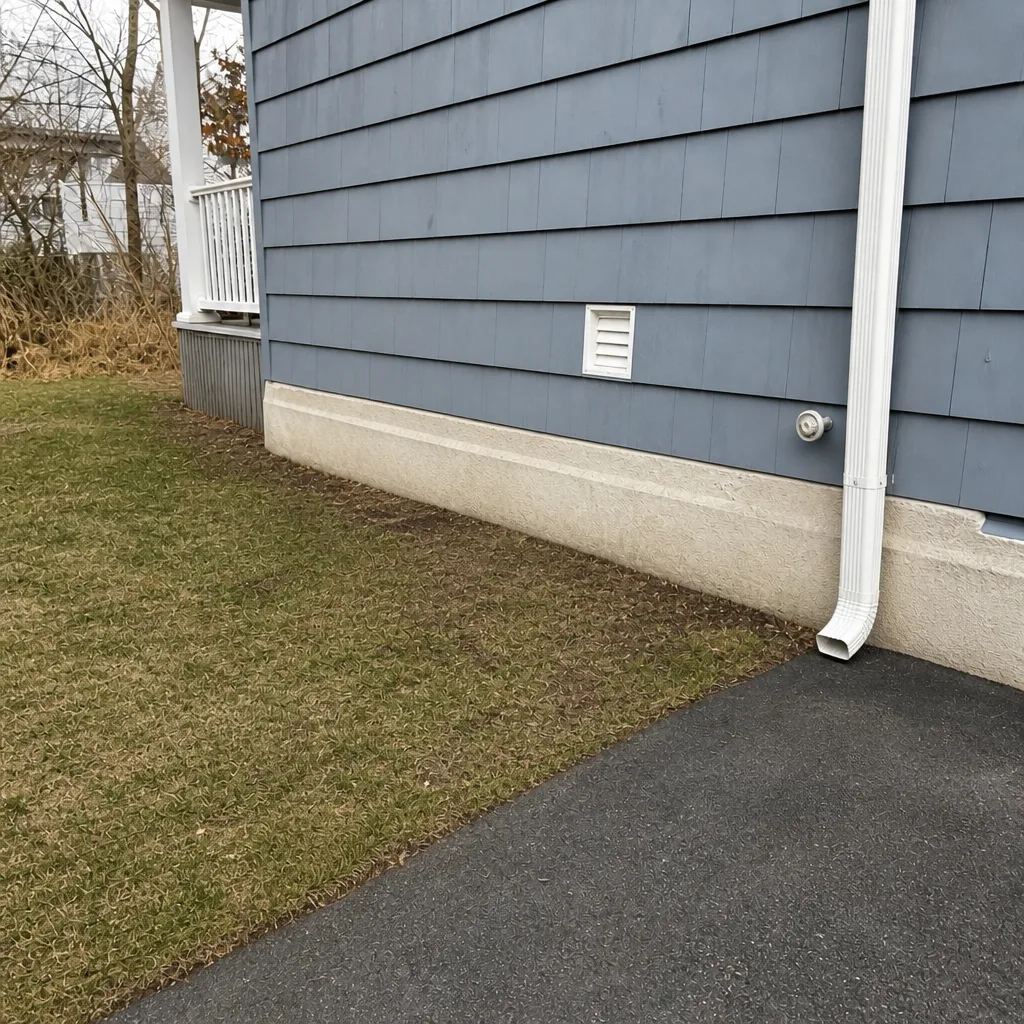
Every symptom in the tiers above concerns the HVAC side of your duct system. Your dryer vent cleaning is a separate duct, and it carries a different kind of risk: lint buildup is a documented fire hazard, treated seriously by the NFPA. We treat it that way. If you haven’t thought about the dryer vent in years, that’s the most common warning sign of all: nothing out of place yet, just a lint load you can’t see.
Tier 1 (schedule within months)
- Dryer takes noticeably longer to dry a load than it used to
- Clothes feel hotter at the end of a cycle
- Lint escaping the exterior flap
Tier 2 (schedule within weeks)
- Drying times creeping past an hour for a normal load
- Exterior flap barely lifting, or staying shut when the dryer runs
- Lint visible around the dryer’s back panel
Tier 3 (call now)
- Clothes too hot to touch at the end of a cycle
- A burning smell from the dryer or vent
- Any heat you can feel on the exterior wall near the vent run
Tier 3 dryer symptoms mean stop using the dryer. Don’t run another load. Call for a vent cleaning and inspection first. When you’re ready to book the cleaning, our page on duct cleaning in New Bedford explains the process for both HVAC ducts and dryer vents.
What Real Equipment Looks Like vs. a Shop Vac and a Hose
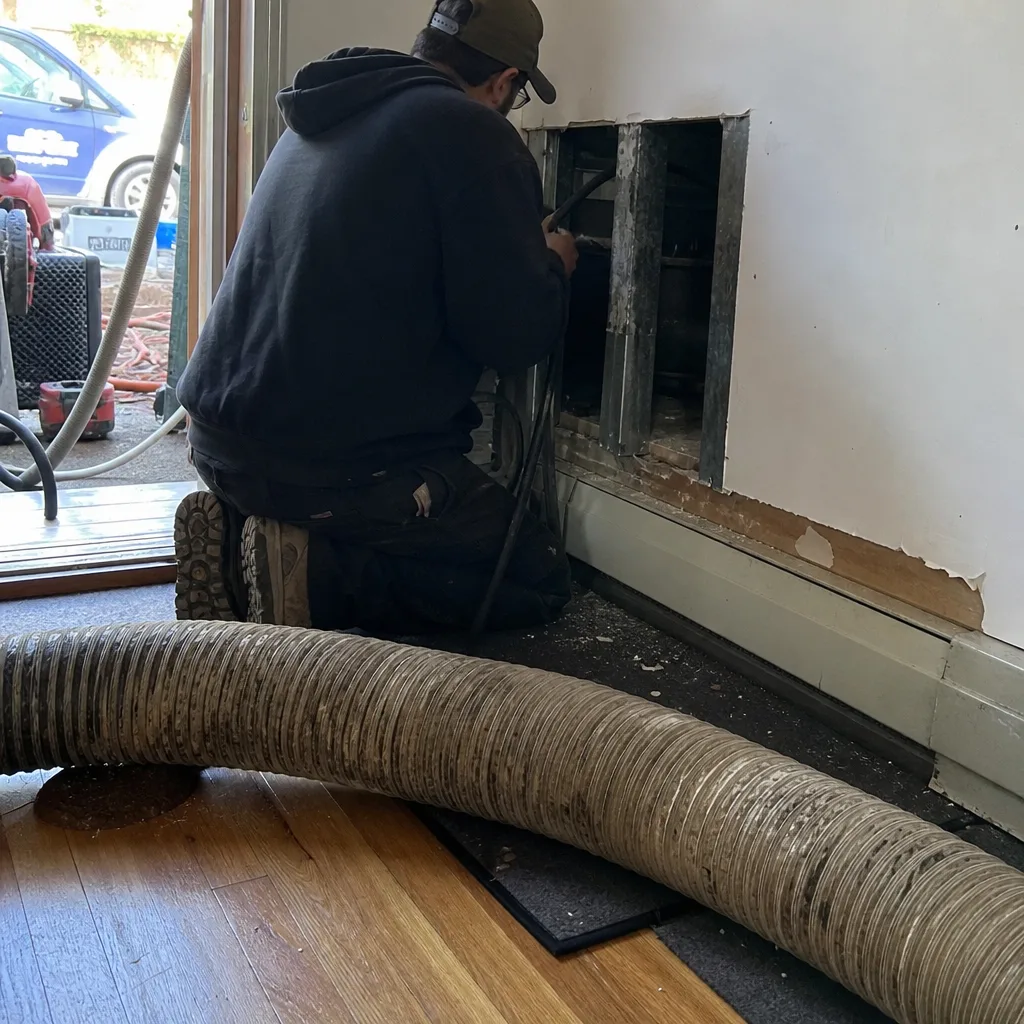
The clearest warning sign in the entire industry is a low-bid quote backed by consumer equipment. If the crew that shows up is rolling in a shop vac and a handheld hose, they’re not cleaning your ducts, they’re dusting the first two feet of them. Real duct cleaning uses contractor-grade equipment, and it’s worth knowing what to look for before you book.
What professional equipment involves
- Mechanical agitation: Rotobrush systems and Nikro equipment use rotating brushes and whips that scrub duct walls rather than just blowing air past them
- Negative pressure: a HEPA vacuum rig holds the whole system under suction so dislodged debris is captured, not redistributed through the house
- Containment: Abatement Technologies gear is designed for elevatedindoor air quality scenarios, so contamination stays in the equipment
- Surface protection: Guardsman-line protective products guard floors and furnishings during service
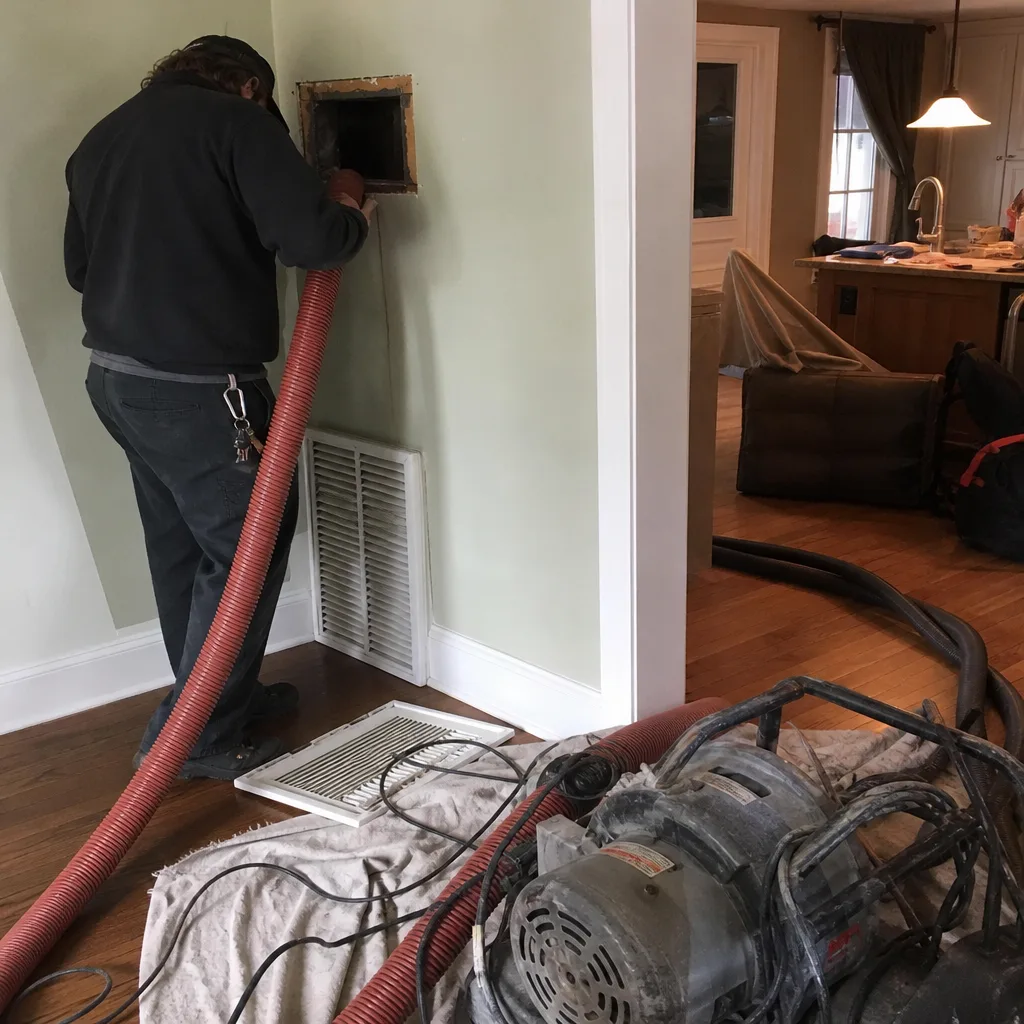
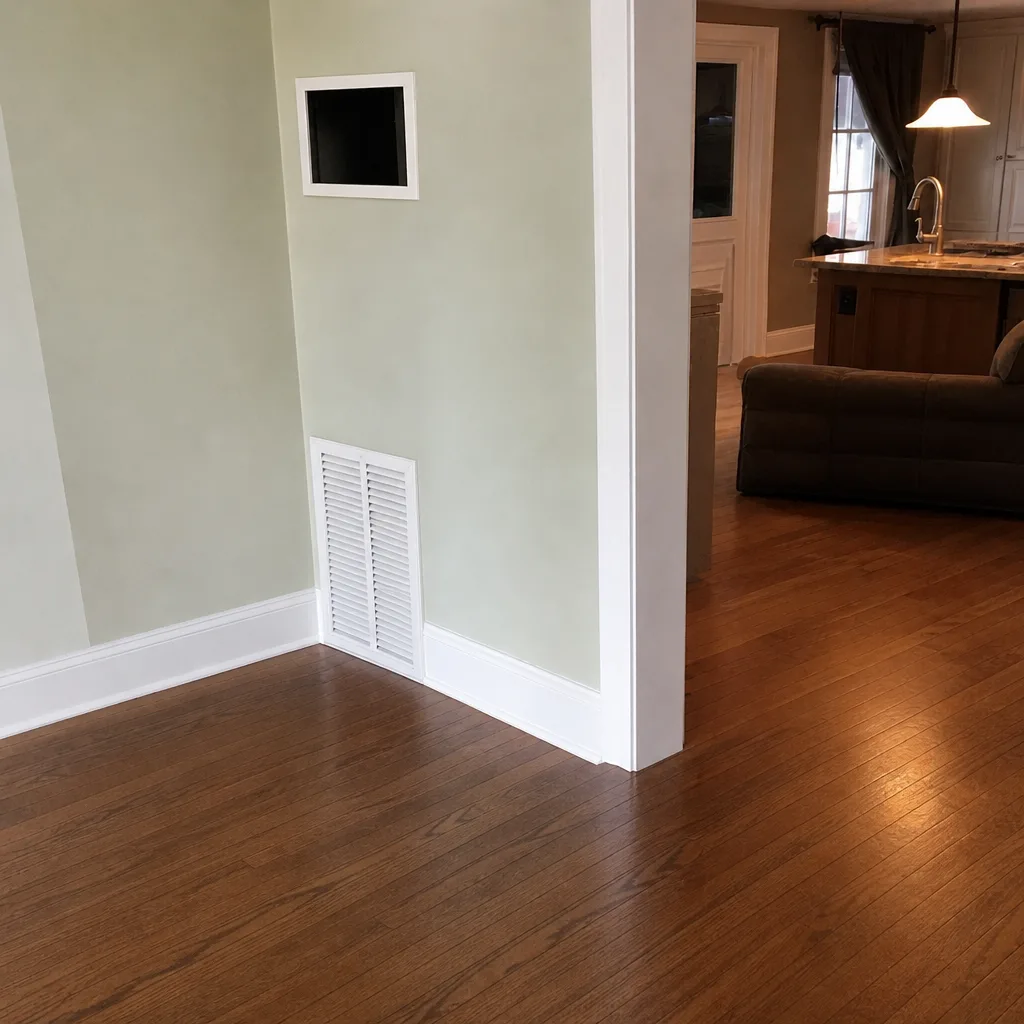
- Before-and-after photos: of your own ducts, taken during the job, so you can see what came out
Rotobrush and Nikro are the equipment brands trusted by remediation contractors, which is the standard we hold ourselves to. If a quote is dramatically cheaper than the others, this is the equipment you’re being offered in place of. Contractor-grade equipment, residential pricing, is the fair comparison. When we quote a job, it’s one flat price per system, agreed before work starts, not a per-vent charge that grows once the technician is in your basement. Learn more about how we approach air duct cleaning.
Common Mistakes to Avoid
- Treating every warning sign as an emergency. Dust on a register and a burning smell need two different calls. Sort by tier first, then pick up the phone.
- Assuming “bigger furnace” solves a cold room. In older New Bedford homes, the problem is usually a duct defect or a closed damper, not capacity. Test the airflow before you spend on equipment.
- Confusing soot with mold. Soot means combustion, which needs an HVAC technician fast. Mold means moisture, which needs the source addressed. Neither is solved by cleaning alone.
- Booking a low-bid quote without asking what equipment shows up. Ask, in plain language, whether the crew uses Rotobrush, Nikro, or comparable contractor-grade gear. A vague answer is your answer.
- Cleaning a deteriorating duct board instead of repairing it. If the insulation is flaking, cleaning the surface is pointless. Fix the run.
- Forgetting the dryer vent entirely. It’s a duct too, and its fire risk is documented. It belongs on the same maintenance schedule as the HVAC system.
- Not photographing what you see. A ten-minute photo session before the call saves a full site visit and gives you a record of the condition you noticed.
See the difference
 Before
 After
 Before
 After
 Before
 After
When to Call a Professional
Call now for anything in Tier 3: a burning or acrid smell, oil soot near registers, visible mold, or dryer symptoms that include heat or a burning odor. Call within weeks for Tier 2: a room that never heats right, airflow that’s dropped off, dust returning fast after a filter change, or drying times creeping past an hour. Book within months for Tier 1: dust rings, a faint dusty smell, or a system that hasn’t been cleaned in many years. If you’ve inherited an old system in a new house, treat the whole system as Tier 1 until you’ve had it inspected. Duct Cleaning New Bedford offers free estimates in New Bedford. Call (844) 793-0706. We answer 24/7. Fast dispatch from 7am to 7pm, Sunday through Friday.
Frequently Asked Questions
Air duct cleaning in New Bedford is quoted per system, not per vent, and the written estimate sets the final price. Whole-system cleaning typically depends on the number of runs, the condition of the ductwork, and whether repair is needed alongside cleaning. Be wary of any quote that’s dramatically cheaper than the others; it usually means consumer equipment and a superficial pass. Call (844) 793-0706 for an exact quote, estimates are free.
Cheap quotes usually pay for a shop vac and a hose, not contractor-grade equipment. Rotobrush and Nikro systems cost real money to buy and maintain, so a crew running them can’t quote the same price as one that isn’t. The other difference is scope: a per-vent quote can grow once the technician is on site, while a flat price per system is agreed before work starts. Ask what equipment arrives and whether the quote is flat. Call (844) 793-0706 to compare a real estimate against the low bid.
Ask for before-and-after photos of your own ducts, taken during the job. That’s the simplest check, and a company using real equipment has no reason not to provide it. A crew that can’t show you what came out of your system is a crew to avoid. Call (844) 793-0706 to book a cleaning with photo documentation.
Most homes in New Bedford don’t need duct cleaning on a fixed calendar schedule. The right interval depends on the house: homes with pets, smokers, recent renovation dust, or chronic allergy symptoms benefit from more frequent service, while a tightly maintained home can go longer. Use the three-tier framework in this guide as your trigger, not a fixed number of years. Call (844) 793-0706 if you’re unsure which tier you’re in.
No. A burning smell is a combustion signal, not a cleaning signal, and it needs an HVAC technician or your fuel provider involved first. Once the source is identified and corrected, we can clean any soot or residue that reached the duct system. Don’t run the system while a burning smell is present. Call (844) 793-0706 after the mechanical issue is addressed.
Good airflow at a cold room’s register points to a balancing, insulation, or equipment-capacity issue rather than a clogged duct. Check for a closed damper near the branch first, then consider whether that room has a return. If airflow is fine and the damper is open, the next step is an HVAC technician, not a duct cleaning. Call (844) 793-0706 if you want us to inspect the duct run before you go further.
The Bottom Line
Warning signs only help if you sort them, and that’s the point of the three-tier framework: cosmetic signals get scheduled, performance signals get booked within weeks, and safety signals get a call today. In New Bedford’s older housing stock, watch for sagging flex duct, rust bleed-through on galvanized runs, and flaking duct board insulation, all of which point to repair rather than cleaning alone. Photograph what you see before you call. And remember that real duct cleaning means Rotobrush, Nikro, and Abatement Technologies equipment, a flat price per system agreed in advance, and photos of your own ducts when the job is done. That’s the standard to hold any quote against.
Call (844) 793-0706 for a free estimate. We answer 24/7. Fast dispatch from 7am to 7pm, Sunday through Friday. Closed Saturday.
Written by the team at Duct Cleaning New Bedford.