
Last updated November 15, 2026
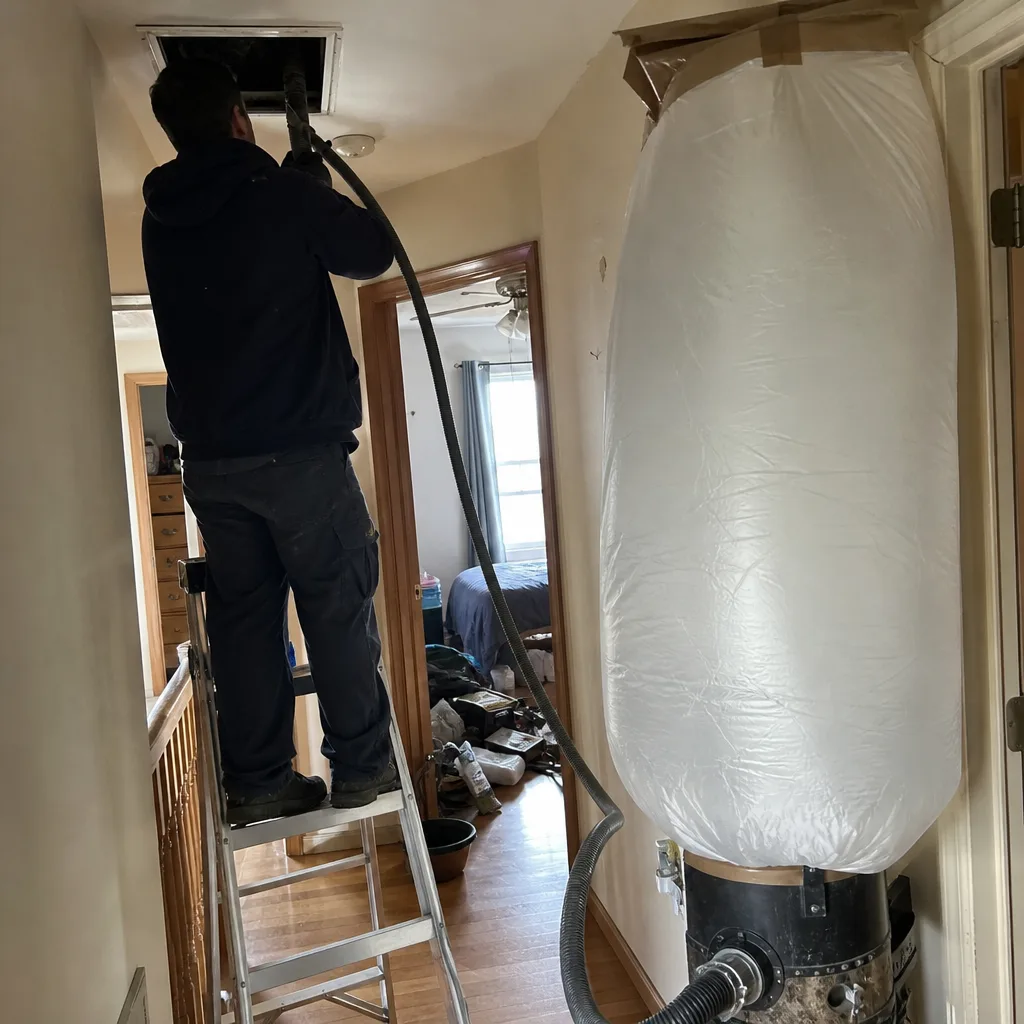
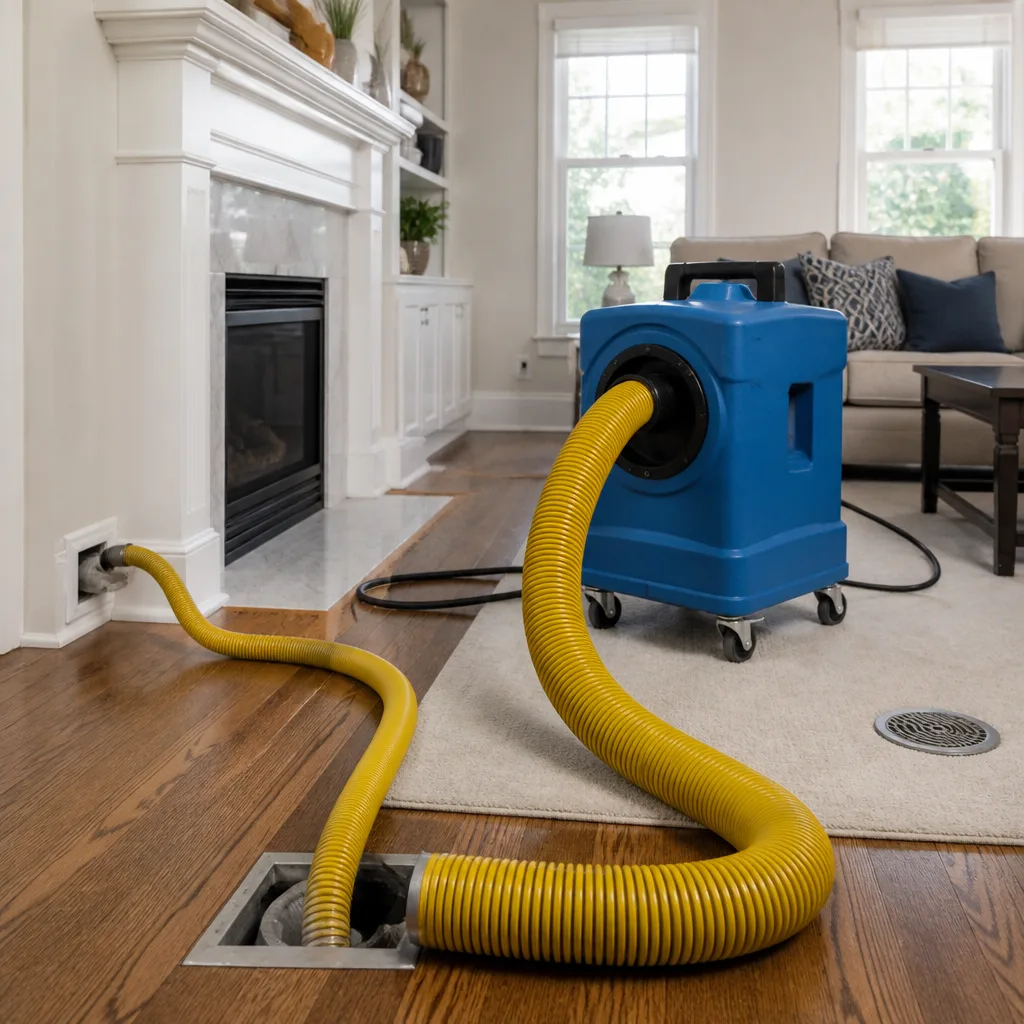 Whole-home duct cleaning
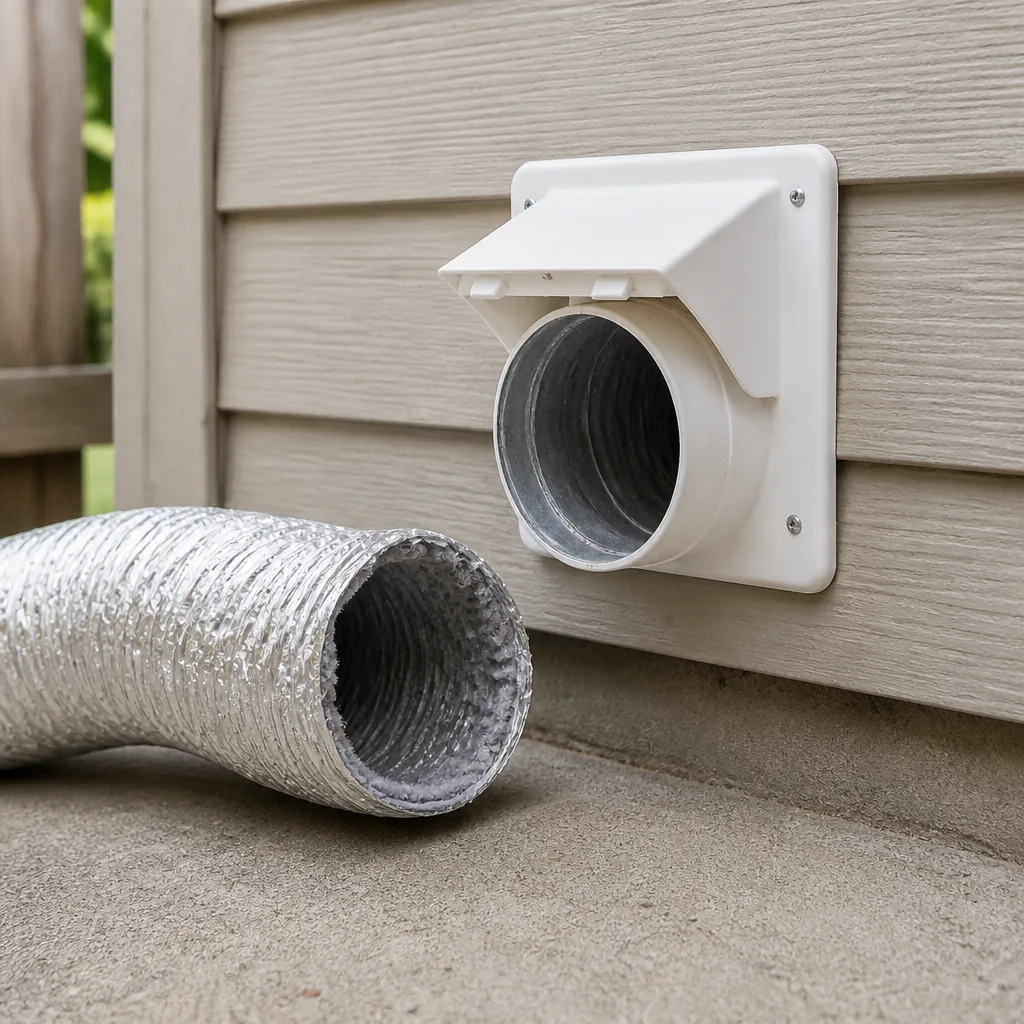 Dryer vent cleaning
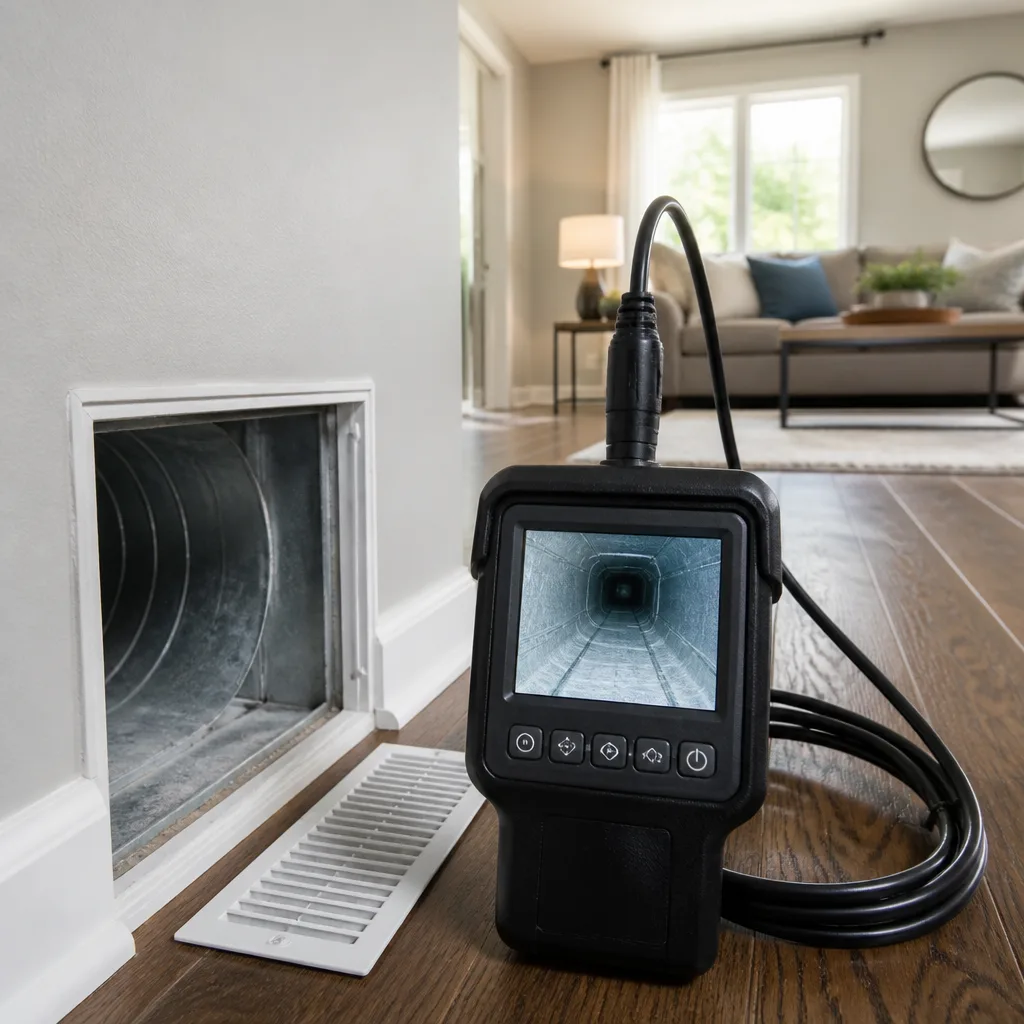 Camera inspection
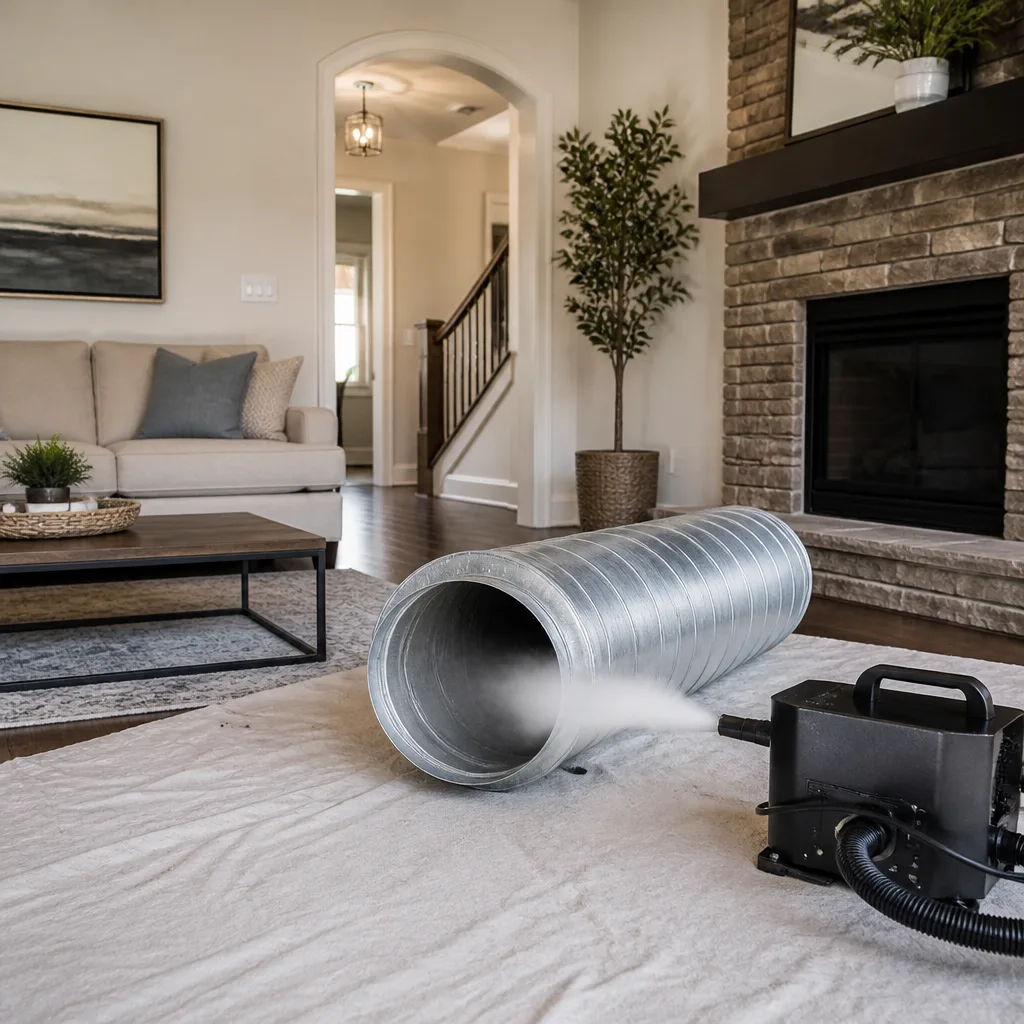 Sanitizing & deodorizing
Whole-system duct and dryer vent check with before-and-after photos - you see exactly what came out of your vents
That "$99 whole-house special" is a bait ad - the real number appears once they are in your hallway, or the "clean" is a shop-vac at the register. We photograph the inside of your ducts before and after instead.
The Complete Guide to Air Duct Cleaning in New Bedford
Most duct cleaning guides are written for a hypothetical house in a generic suburb. That’s not what New Bedford is. This city has one of the highest concentrations of pre-1980 housing in Massachusetts, and those homes come with original galvanized ductwork, decades of oil-heat residue, and humidity levels that behave differently than they do 40 miles inland. A cleaning method that works fine in a dry-climate subdivision can leave a New Bedford system just as contaminated as it started. This guide covers how duct cleaning actually works in New Bedford specifically: the housing stock, the heating history, the humidity, and the verification steps that separate a real cleaning from a vacuum pass.
Quick Answer
Air duct cleaning in New Bedford means source removal of accumulated dust, soot and biological growth from the entire duct system using negative-pressure equipment, not a surface vacuuming. Because most New Bedford homes predate 1980 and many still carry residue from oil-heat systems, the job usually requires contractor-grade extraction equipment like Nikro or Rotobrush units and, in some cases, duct repair once the interior is visible. A proper cleaning takes several hours, ends with photo verification, and is priced per system by written estimate, not per vent.
Styles & brands we work with
- Whole-home duct cleaning
- Dryer vent cleaning
- Camera inspection
- Sanitizing & deodorizing
Table of Contents
- Why New Bedford Ducts Are Different From the Generic Guide
- How Humidity Affects Duct Contamination in New Bedford
- The Oil-Heat Legacy and Why It Changes the Cleaning Method
- Source Removal vs. Blow-and-Go: How to Tell the Difference
- What Triple-Deckers and Capes Mean for Duct Access
- Post-Cleaning Verification: What You Should See Before We Leave
- When Cleaning Reveals Broken Ductwork
- Dryer Vents: The Overlooked Fire Risk in Older Homes
Why New Bedford Ducts Are Different From the Generic Guide
New Bedford’s housing stock is old. A large share of the city’s homes were built before 1980, and many predate 1950 entirely. That matters because duct systems from those eras were built differently: galvanized steel rather than flex duct, joined with friction fittings and taped seams, often routed through unheated basements and crawl spaces. Older galvanized ducts collect dust differently than modern flex. The seams hold it, the joints catch it, and once it’s compacted against the metal, a consumer vacuum can’t lift it.
Layer on top of that the city’s heating history. New Bedford had a heavy concentration of oil-fired furnaces and boilers, and many homes still run oil today or did so within the last generation of occupants. Oil heat burns dirtier than gas. The combustion residue that escapes into the return air is a fine, dark soot that clings to duct walls and doesn’t respond to ordinary brushing.
Then add humidity. New Bedford sits in a climate with humid summers and a shoulder season that keeps basement air damp well into spring. Damp duct interiors are breeding grounds for dust mites and biological growth, particularly on the supply side where cooler air meets warmer basement air and condenses.
None of this is meant to alarm. It’s meant to explain why a duct cleaning in New Bedford isn’t the same job as a duct cleaning in a newer subdivision, and why the equipment matters. Our technicians have up to 15 years of experience, and the recurring pattern in older New Bedford homes is a system that has never been cleaned properly since installation.
How Humidity Affects Duct Contamination in New Bedford
Humidity is the factor most duct cleaning guides skip entirely, and it’s the one that makes the biggest difference in New Bedford. Duct interiors in humid climates behave differently than in dry ones in three specific ways.
Condensation on supply runs
Cooled air moving through a duct routed through a warm, humid basement creates condensation on the outside of the duct and, if the insulation is compromised, on the inside. Wet metal collects dust faster than dry metal. Once the dust is wet, it binds to the surface and stays there.
Dust mite proliferation
Dust mites need humidity above roughly 50 percent to thrive. New Bedford summers routinely stay above that in basements, crawl spaces and unconditioned portions of older homes. Duct interiors with organic dust loads become a stable environment for them, and every time the system runs, that material cycles into living space.
Mold and biological growth on the cold side
Biological growth in ductwork doesn’t require a leak. It requires moisture, organic dust, and a surface. Older humid homes supply all three. This is the scenario where equipment like Abatement Technologies units matters: containment and negative pressure keep disturbed contaminants from migrating into the home during the cleaning itself.
- Signs humidity is already a duct problem: musty odor when the system first starts, visible condensation on duct exteriors, recurring allergy symptoms that ease when the system is off.
- What doesn’t help: running a conventional vacuum or opening registers. That disturbs material without containing it.
- What does: full negative-pressure cleaning with proper containment, and inspection for the moisture source.
If you want to see what a real cleaning looks like in a humid-climate home, take a look at our duct cleaning New Bedford service page.
The Oil-Heat Legacy and Why It Changes the Cleaning Method
Oil soot is a different material than ordinary household dust, and it needs a different approach. Ordinary dust lifts with a brush and a vacuum. Oil residue has a slightly greasy character that causes it to bond to galvanized metal, particularly on the return side where air is warmer and the soot deposits more readily. In older New Bedford homes there may be years of it.
We use Nikro equipment for these situations because the extraction is mechanical and sustained, not a burst of suction. The Nikro units are negative-pressure rigs built for remediation work, and they hold a steady pull on the entire system while we agitate the duct interior from the inside. That combination is what allows compacted soot to release. A shop vacuum has neither the airflow nor the containment.
What the process actually includes
- Inspection first. Before any cleaning, we run a camera through the system to identify duct type, contamination level and any compromised joints or disconnected runs.
- Negative pressure set. The Nikro extraction unit is connected and the system is brought under continuous negative pressure so disturbed material is drawn out, not into the home.
- Mechanical agitation. Rotary brush and air whip tools are run through each branch and main, breaking soot and dust free from the duct walls.
- Extraction throughout. The negative pressure runs the entire time, capturing the loosened material at the source.
- Repair if needed. If the inspection revealed disconnected runs, crushed sections or failed joints, those are addressed before the system is closed up.
- Verification. Photos of the interior before and after, taken from the same locations.
For homes with oil heat, ask specifically about soot extraction equipment. A brush-and-vacuum crew with no remediation-grade unit usually can’t do this. That’s one reason we describe our approach as “Rotobrush and Nikro systems, not shop vacuums.”
Source Removal vs. Blow-and-Go: How to Tell the Difference
“Source removal” means the accumulated contamination is physically removed from the duct system. “Blow-and-go” means a machine is run briefly to move dust around, sometimes with a vacuum attached, and the crew leaves before any meaningful extraction has happened. The two are not the same service, and the price difference is why some quotes look dramatically lower.
The professional standard for source removal is defined by NADCA (National Air Duct Cleaners Association), which publishes the cleaning methodology most legitimate contractors follow. Ask any contractor you’re considering if they follow NADCA standards, and ask how they’ll approach your specific system.
How to verify what you’re actually getting
- Ask about the equipment. Professional rigs are named. Rotobrush, Nikro, Abatement Technologies. If the answer is “our truck has a big vacuum,” that tells you something.
- Ask about negative pressure. Source removal happens under negative pressure for the entire job. Blow-and-go often skips this.
- Ask about photos. A legitimate crew photographs the duct interior before and after. They should show you the photos at the end.
- Ask what happens if they find damage. The answer should include duct repair capability. Most cleaning-only operations say “call an HVAC company.”
- Beware per-vent pricing. It’s a common bait structure. Real duct cleaning is priced per system by written estimate, because the work required depends on contamination level and duct configuration, not on a count of registers.
Why some quotes are so much cheaper is a legitimate question. The main answer is that they’re not quoting the same service. A blow-and-go pass with a consumer-grade vacuum takes an hour or two and leaves the dust where it started. A proper source-removal cleaning with remediation equipment takes most of a day.
What Triple-Deckers and Capes Mean for Duct Access
Duct access in New Bedford is a real constraint, and it’s the thing most generic guides don’t mention. The city’s housing stock breaks down into a few recognizable patterns, and each affects how a cleaning gets done.
Triple-deckers
These present the trickiest access. Each unit may have its own system or share portions of a central system, and ductwork often weaves between floors through original construction chases. Discovering where runs actually go is part of the job, and inspection cameras are often necessary before we know the full layout.
Capes and older colonials
Cape-style homes often have short, direct duct runs and good basement access, which makes cleaning more efficient. The trade-off is that short runs tend to concentrate contamination in fewer locations, so a thorough cleaning of each branch matters more.
Newer construction
Newer homes in New Bedford and around the South Coast are usually flex-duct systems, which are easier to access but more prone to developing crush points or disconnect at joints. Cleaning reveals those, and repair is usually part of the visit.
What access issues mean for your estimate
- Systems with shared runs between units take longer and require more careful containment.
- Ductwork routed through finished ceilings may need access openings, which we’ll discuss before starting.
- Basement or crawl space installations are usually the most straightforward to service.
- Any estimate should be based on the actual system, not a standard assumption.
If you’ve recently bought a home in New Bedford, this is usually the first thing worth checking. A cleaning and inspection tells you what you actually inherited.
Post-Cleaning Verification: What You Should See Before We Leave
This is the step that separates a real cleaning from a claim. The technician shouldn’t pack up and drive away leaving you to trust their word. Verification is part of the service.
What to expect at the end of the job
- Before-and-after photos. Photographed inside the ducts, at the same locations, ideally with a timestamp.
- Clean register faces and grilles. If the registers are still covered in dust, the cleaning didn’t happen properly.
- Blower and air handler check. Dust that was inside the ducts also accumulates on the blower wheel and evaporator coil, and those should be inspected at minimum.
- Verification that the system is back together. All access points resealed, filter reinstalled, unit running and cycling normally.
- Report of anything found. Disconnected runs, damage, moisture sources, filter condition.
- Written estimate for anything not covered. If repair is needed, you get it in writing before any additional work is authorized.
If a contractor doesn’t offer to show photos, that’s not a small thing. It usually means the work wasn’t the kind of work that produces clear before-and-after evidence. Our standard practice is photos of your own ducts, both sides of the job, and we leave them with you.
When Cleaning Reveals Broken Ductwork
Most of the time, duct cleaning happens without surprises. But in older New Bedford homes, opening the ducts reveals problems: disconnected joints, crushed flex sections, gaps where the original taping failed decades ago, or runs that were abandoned at some point and never properly closed. Clean-only companies either ignore these or recommend you call an HVAC contractor.
We repair duct systems as a standing service, not as an add-on. That’s part of why the phrase “we clean it, and if it’s broken, we fix it” is literal for us. A duct system that leaks at 30 percent of its joints will return to its prior contaminated state quickly after cleaning, because it’s drawing unfiltered air from unconditioned spaces.
What a repair address on a typical visit
- Sealing gaps and disconnected joints with duct-specific mastic and proper mechanical attachments.
- Replacing crushed or collapsed flex sections.
- Restoring correct airflow at registers that were reading weak.
- Closing unused or abandoned branch runs so they stop pulling outside air.
- Verifying final static pressure so the system isn’t over-restricted after repair.
For the full scope of our air duct cleaning and repair work, the service pages go into more detail. The guiding principle: cleaning an unsealed system is doing half the job.
Dryer Vents: The Overlooked Fire Risk in Older Homes
Dryer vent cleaning is the part of home duct servicing that gets the least attention and carries the highest safety stakes. The NFPA identifies dryer vent lint accumulation as a documented cause of residential fires. Old New Bedford homes often have long vent runs, sometimes routed through the roofline or exterior wall in ways that create two or three elbows, which is exactly where lint accumulates most efficiently.
Most duct cleaners don’t service dryer vents at all, or they farm it out. We treat it as a core service because it connects directly to the work we do on the supply side. “Dryer vents are a fire risk, and we treat them like one” is our standard posture here.
Signs your dryer vent needs attention
- Clothes taking noticeably longer to dry than they used to.
- The dryer body or the wall near the vent getting hot to the touch during a cycle.
- Visible lint at the exterior vent hood.
- The exterior flapper not opening fully during a cycle.
- Any hint of a burning smell during operation, which is a reason to stop and call.
For New Bedford homes with vent runs through unheated space or up through the roof, we inspect the full run, not just the portion nearest the dryer. If you’re due, our dryer vent cleaning page covers what the service involves.
Common Mistakes to Avoid
- Hiring on price alone when the cheap quote is a different service. A low figure is usually a blow-and-go pass with consumer equipment, and you won’t get the result you’re paying for. The written estimate should name the equipment and the method.
- Accepting per-vent pricing. Per-vent quotes encourage rushing and often expand once the technician is inside. Whole-system flat pricing, agreed in writing before work starts, is the honest structure for a New Bedford home.
- Cleaning but not repairing. A New Bedford system with unsealed joints will recruit new dust almost immediately after a cleaning. Ask about repair capability during the estimate.
- Skipping dryer vent service. Lint accumulation is a fire hazard, not a comfort issue. Getting the ducts cleaned without addressing the dryer vent leaves the larger risk in place.
- Ignoring the oil-heat factor. If your home has ever run oil heat, tell the contractor. Soot requires different equipment than ordinary dust, and not every cleaning crew has it.
- Not asking for photos. If the technician can’t show you what the duct interior looked like before and after, there’s no proof the work was done. Photos are the one verification method that doesn’t depend on trust.
- Assuming humidity will sort itself out. New Bedford’s damp climate keeps duct interiors hospitable to biological growth. A cleaning without any inspection for moisture sources will need repeating sooner than necessary.
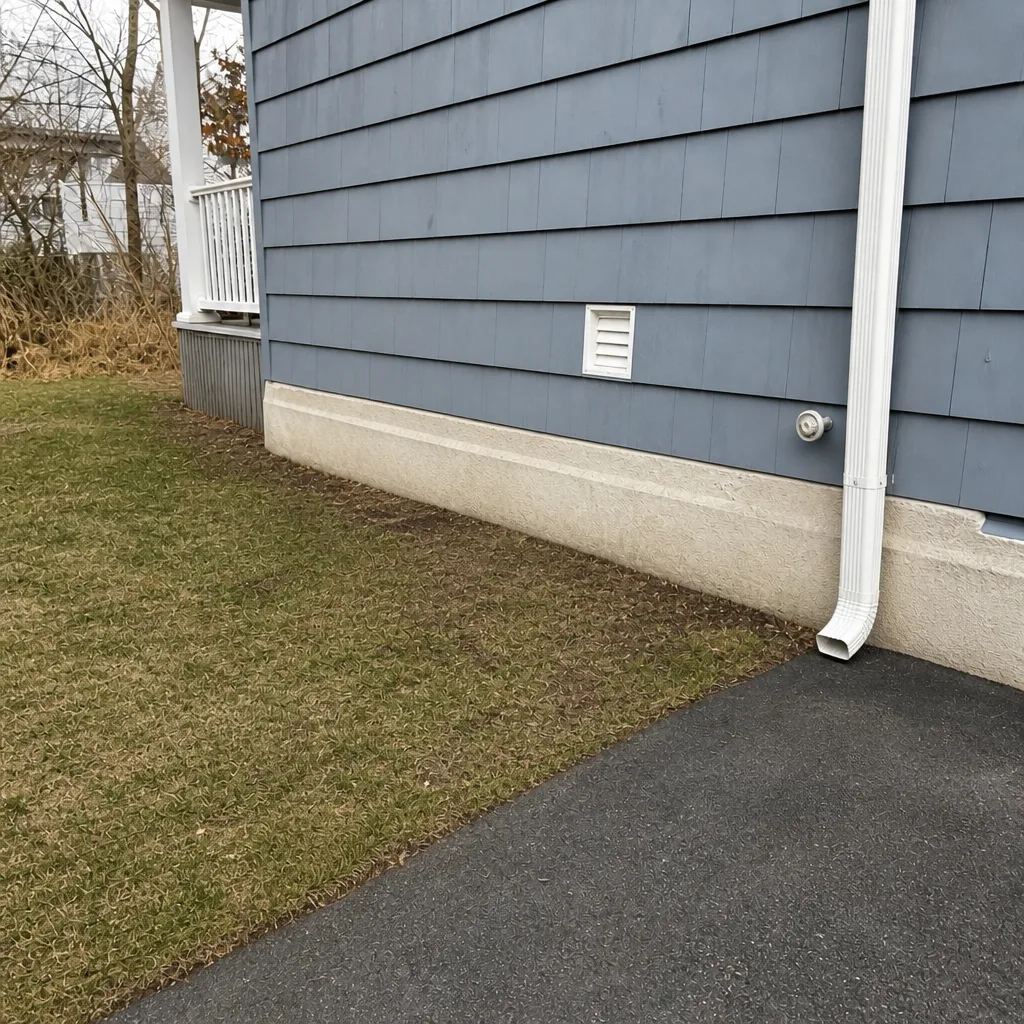
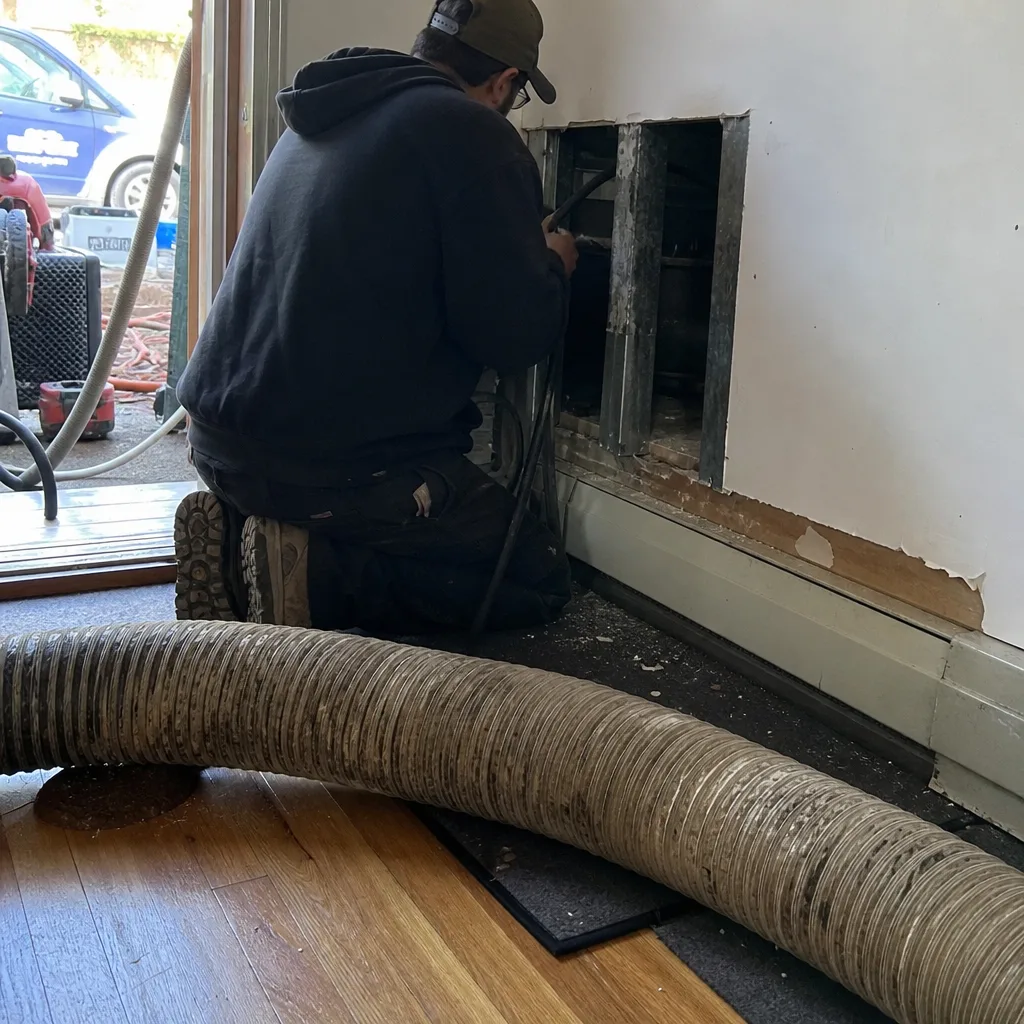
See the difference
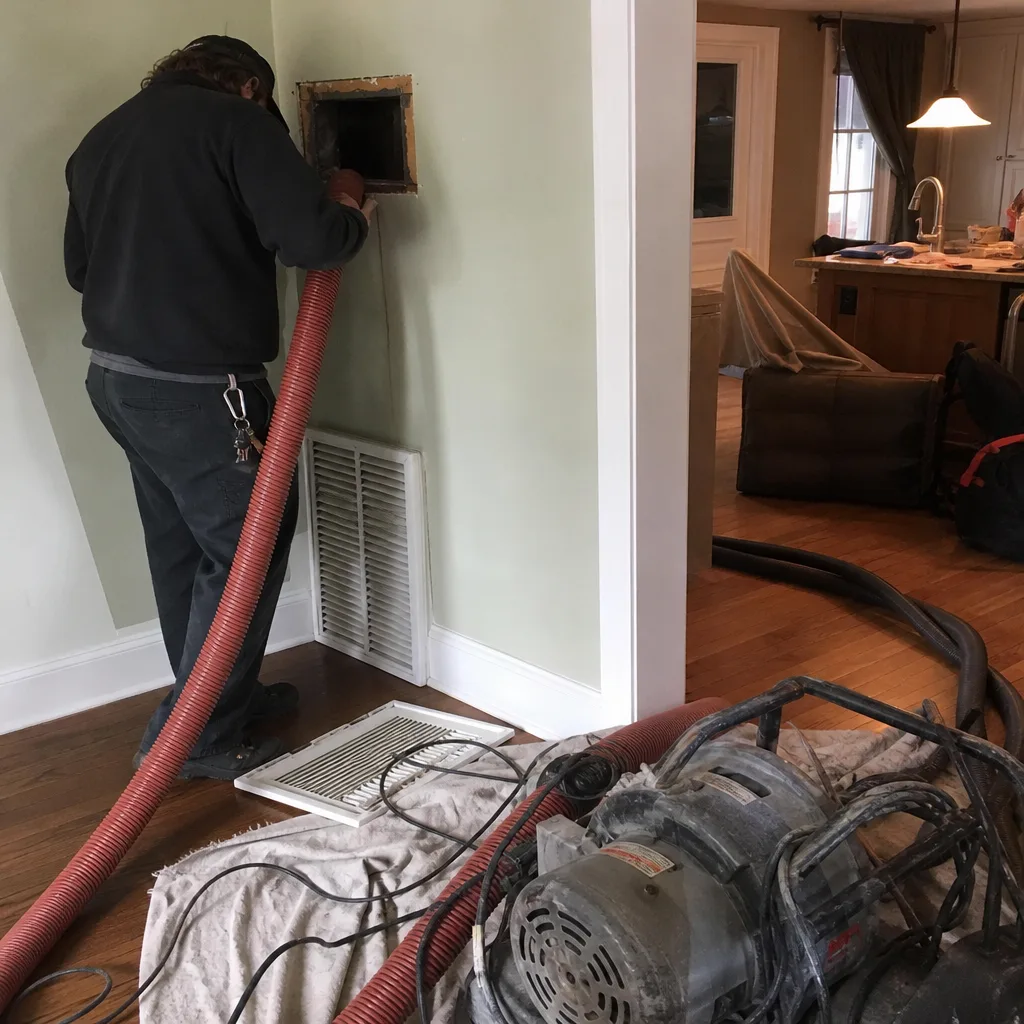 Before
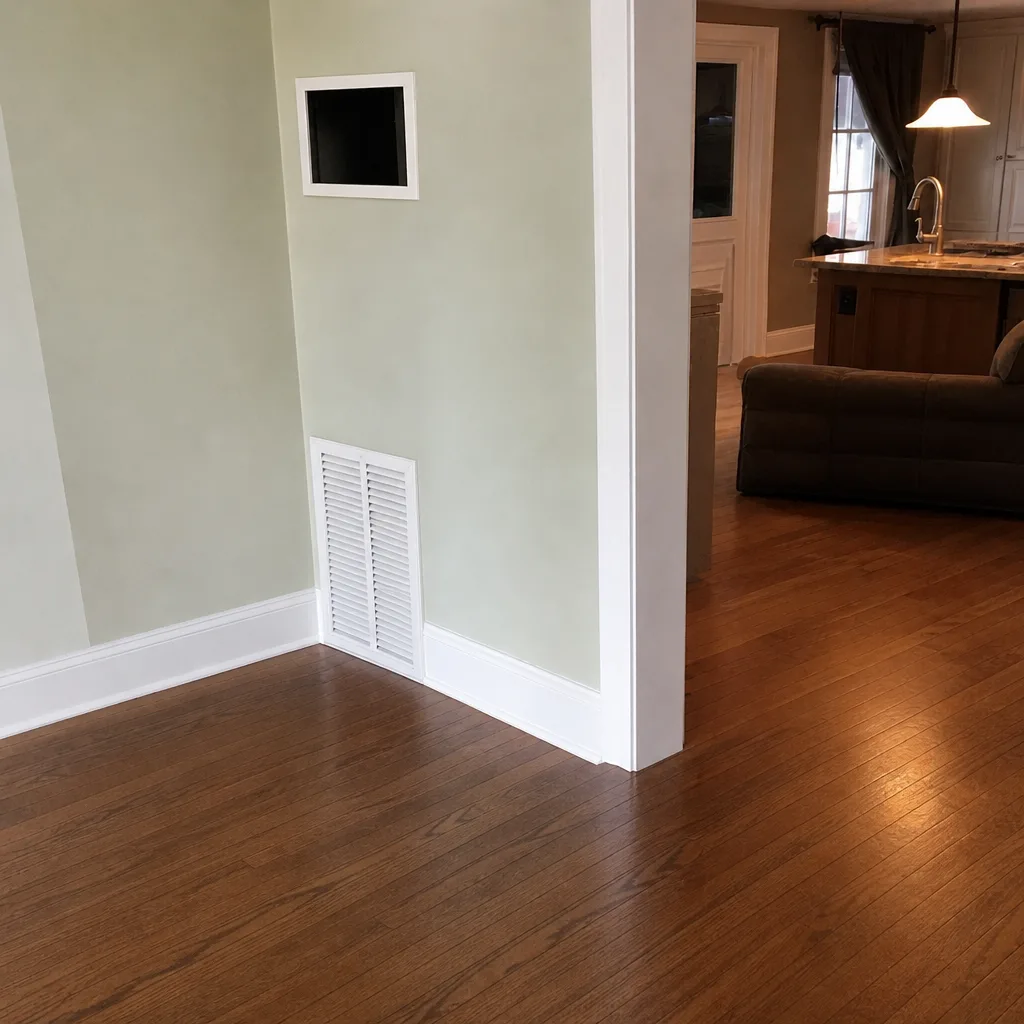 After
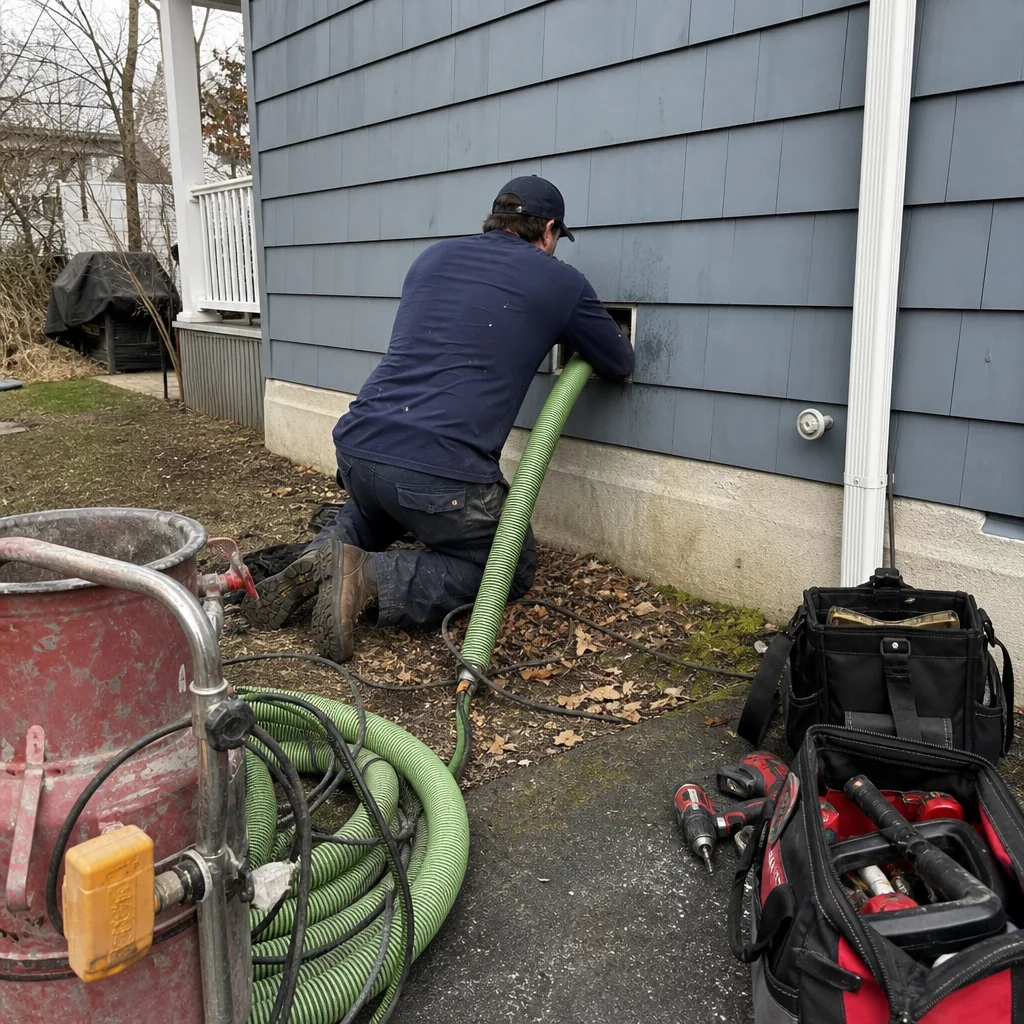 Before
 After
 Before
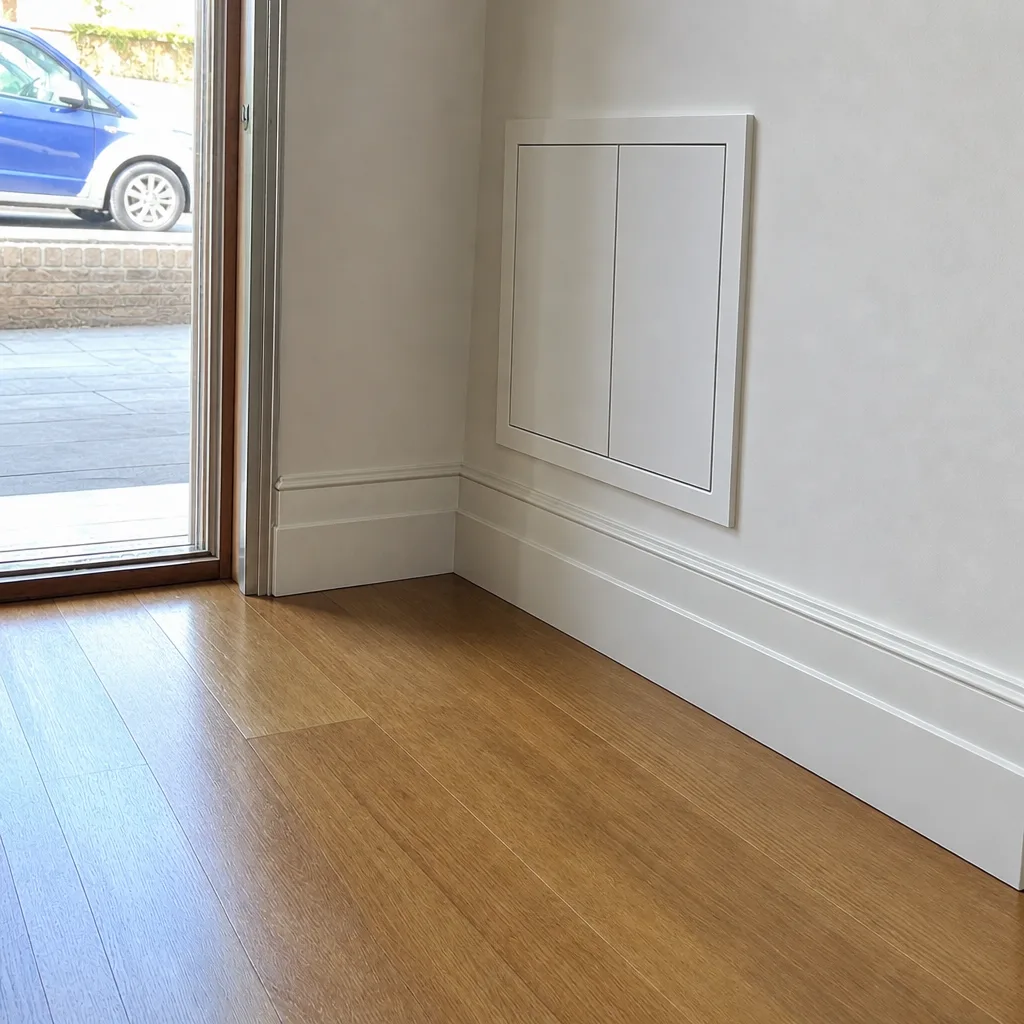 After
When to Call a Professional
Cleaning is not an emergency service and most homes can wait for a scheduled visit. But there are specific situations where professional attention is clearly warranted: a home you’ve just purchased with unknown system history, visible dust plumes from registers when the system starts, a persistent musty odor tied to HVAC operation, a system that hasn’t been opened since installation, a dryer that has started taking much longer to dry, or a recent duct repair on part of the system without a full cleaning afterward. In New Bedford, the oil-heat factor adds a signal: if you can see dark residue at register faces or the return grille is heavily coated in soot, a professional cleaning with proper extraction equipment is overdue. Duct Cleaning New Bedford offers free estimates in New Bedford. Call (844) 793-0706. We answer 24/7. Fast dispatch, 7am-7pm, Sunday through Friday.
Frequently Asked Questions
Typical New Bedford air duct cleaning estimates fall in a wide range depending on system size, duct type, contamination level and whether repair is needed, and the written estimate sets the final price. We price per system, not per vent, and the estimate is free. Call (844) 793-0706. We answer 24/7. Fast dispatch, 7am-7pm, Sunday through Friday.
Cheaper quotes usually represent a different service: a brief vacuum pass with consumer-grade equipment rather than full negative-pressure source removal. If the quote includes per-vent pricing or doesn’t name the equipment, that’s worth asking about. For a written estimate on your specific system in New Bedford, call (844) 793-0706. The estimate is free and sets the final price.
Most homes go several years between cleanings, and the interval depends on the system, the occupants and, in New Bedford, the humidity and heating history. Homes with pets, recent renovations, or oil-heat residue typically need attention sooner. If you’re overdue and want to schedule, call (844) 793-0706. We answer 24/7.
Insist on before-and-after photos of your own duct interiors, taken from the same locations, plus clean register faces and confirmation the system is resealed and running. That’s the standard we hold ourselves to. To schedule a cleaning with verification included, call (844) 793-0706. We answer 24/7. Fast dispatch, 7am-7pm, Sunday through Friday.
Yes. Triple-deckers are common in New Bedford, and the process starts with inspection to identify the duct layout and confirm each unit’s system. Each unit is cleaned separately under negative pressure and verified with photos. To book an estimate for a multi-unit property, call (844) 793-0706.
Yes, duct repair is a core service alongside cleaning and dryer vent work. Cleaning often reveals disconnected joints, crushed flex sections or failed taping, particularly in older New Bedford homes, and we repair those on the same visit when the scope allows. If repair is needed, it’s priced by written estimate before work starts. Call (844) 793-0706 for a free estimate.
The Bottom Line
Air duct cleaning in New Bedford is not the generic service the industry markets. The city’s pre-1980 housing stock, its oil-heat legacy, and its damp climate mean the cleaning needs remediation-grade extraction equipment, proper containment, and a willingness to look at the whole system rather than just run a vacuum and leave. Source removal is the standard, and verification with photos is the proof. Dryer vents belong in the same conversation because the fire risk they carry doesn’t wait for an annual maintenance window. Whether you work with us or another contractor, ask the equipment questions, demand a written per-system estimate, and insist on seeing what was done. Your ducts are only as clean as the process behind it. To schedule a free estimate, call Duct Cleaning New Bedford at (844) 793-0706. We answer 24/7. Fast dispatch, 7am-7pm, Sunday through Friday.
Written by the team at Duct Cleaning New Bedford.