
Last updated November 15, 2026
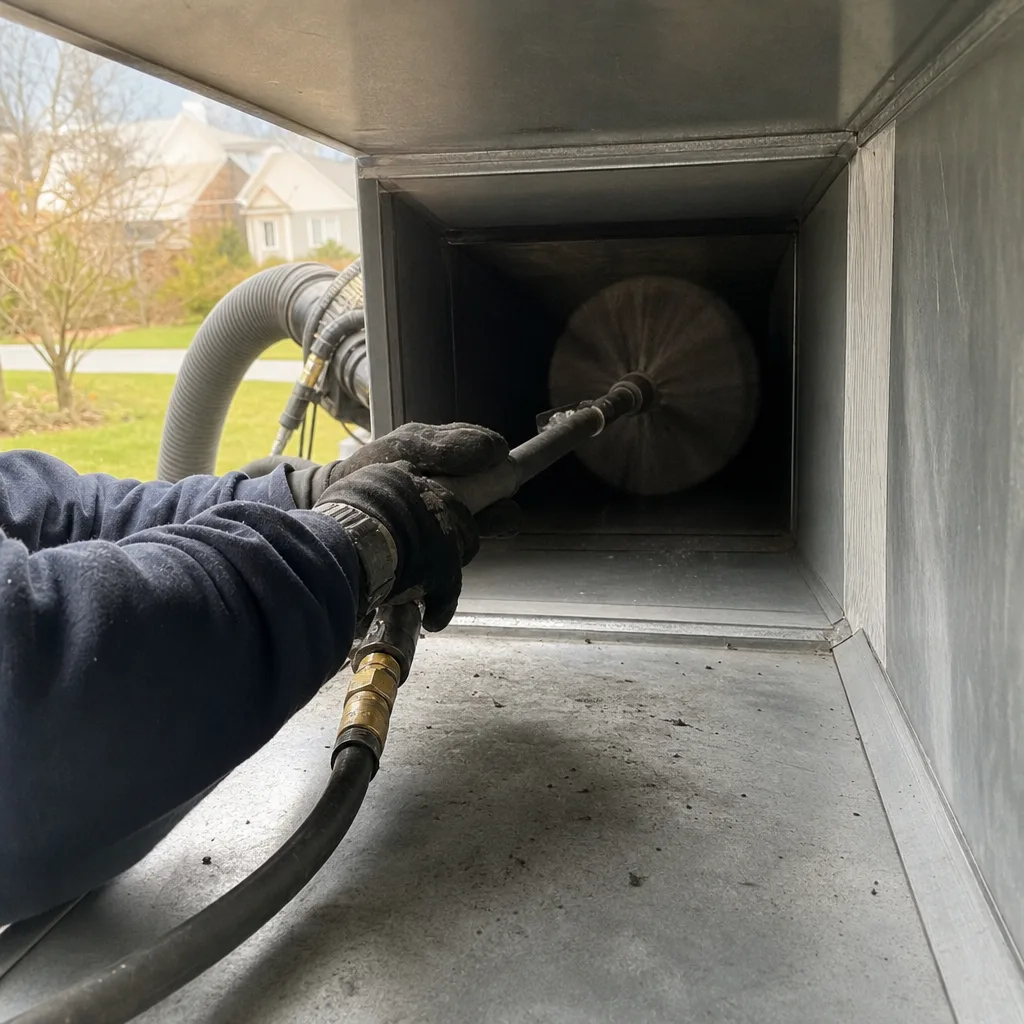
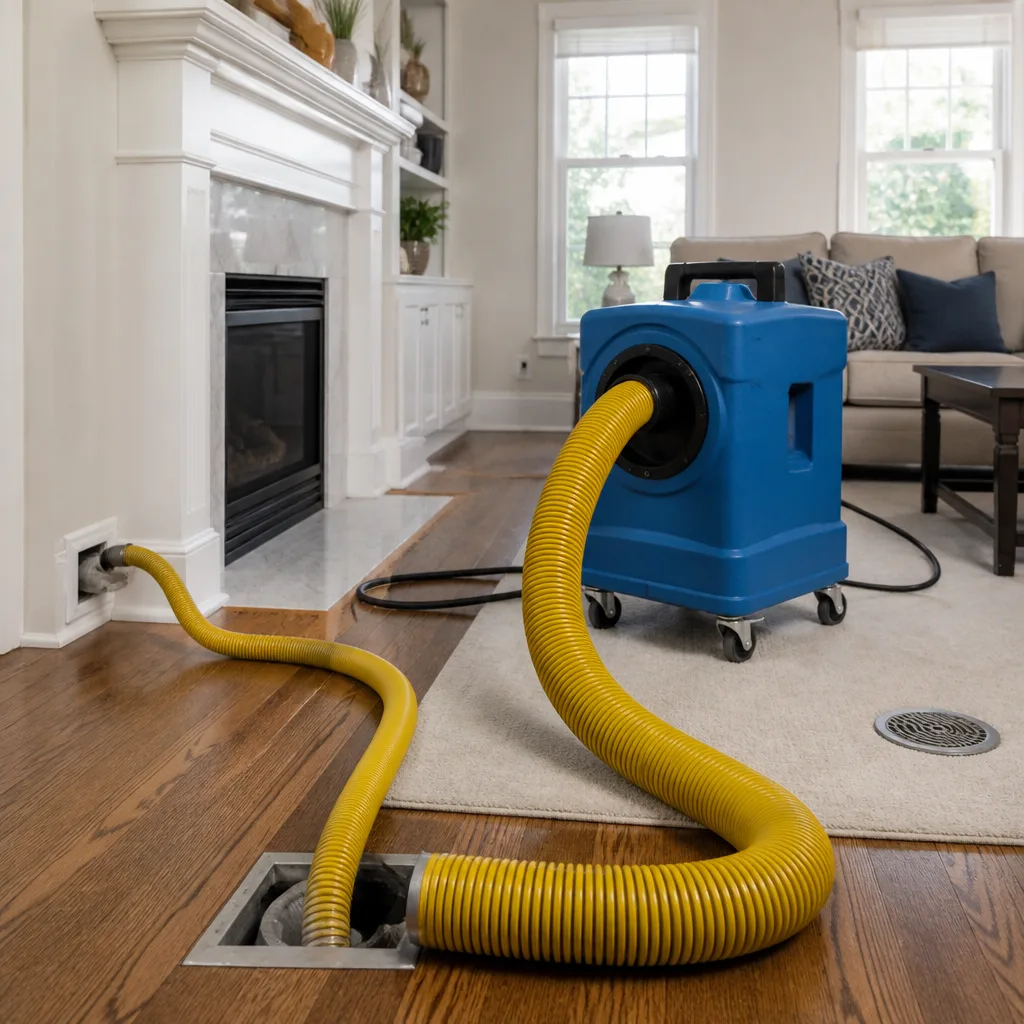 Whole-home duct cleaning
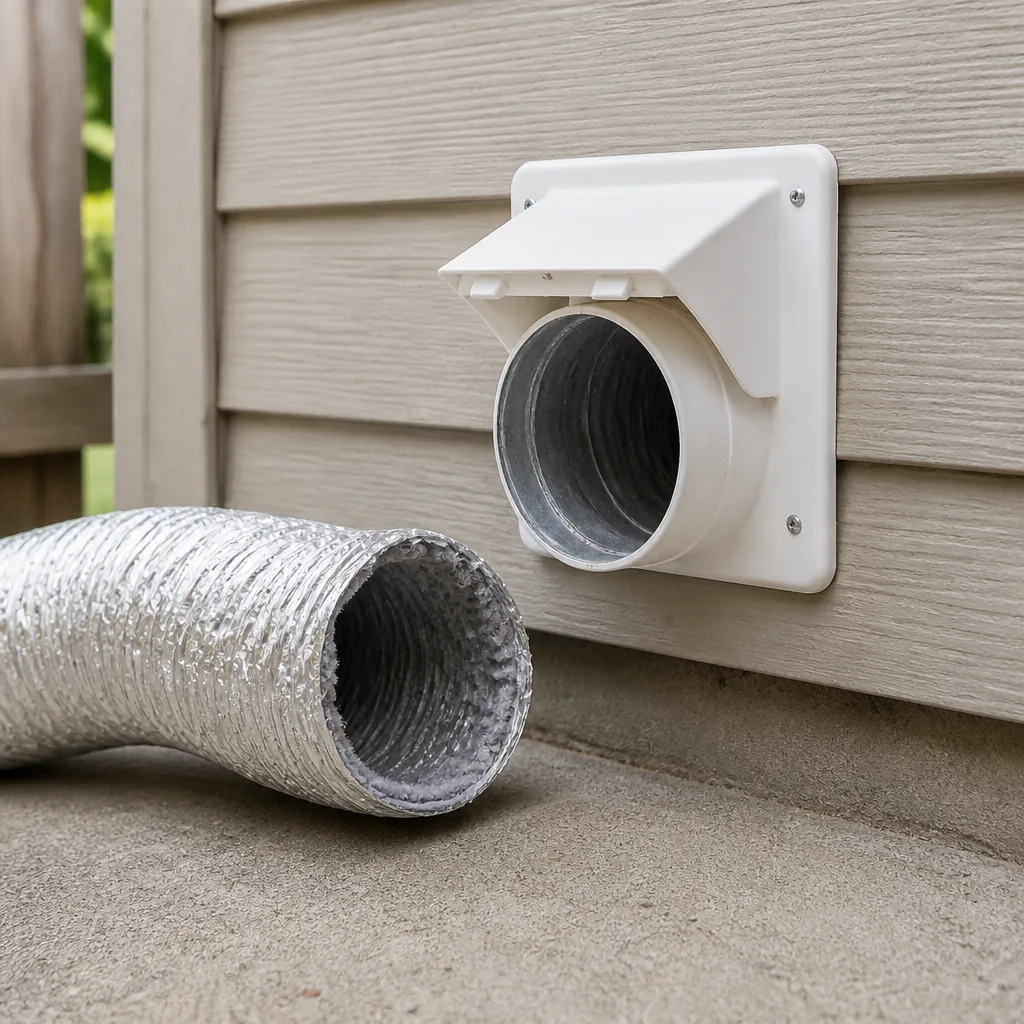 Dryer vent cleaning
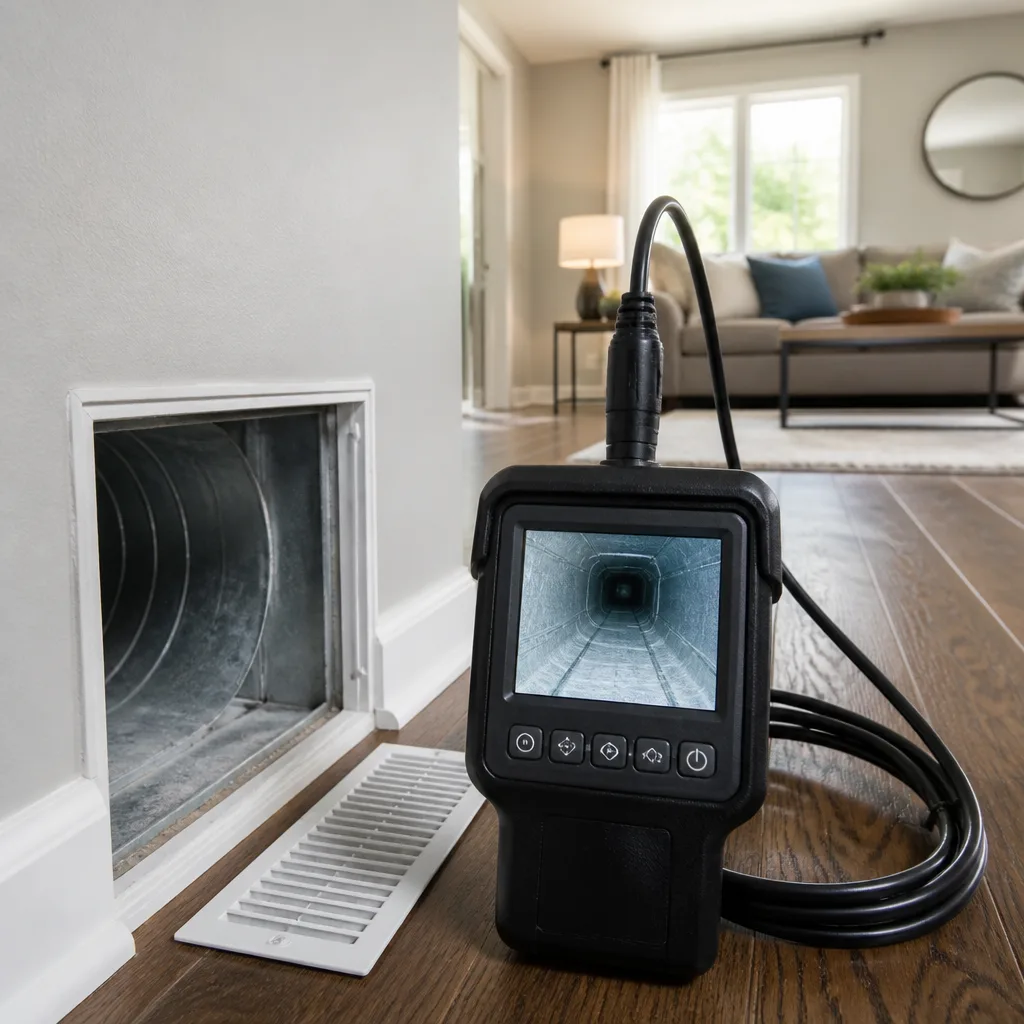 Camera inspection
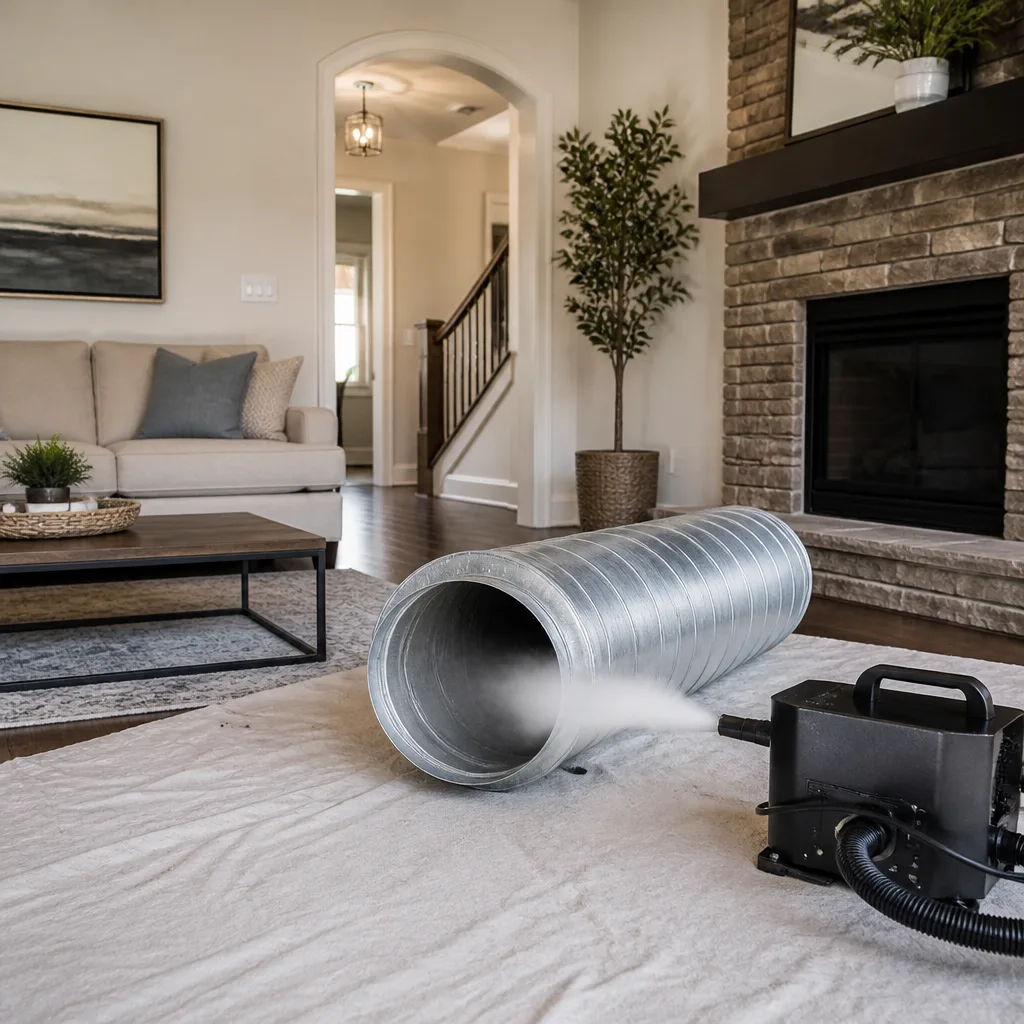 Sanitizing & deodorizing
Whole-system duct and dryer vent check with before-and-after photos - you see exactly what came out of your vents
That "$99 whole-house special" is a bait ad - the real number appears once they are in your hallway, or the "clean" is a shop-vac at the register. We photograph the inside of your ducts before and after instead.
Air Duct Cleaning Maintenance Schedule: What to Do and When
The most common piece of advice about duct cleaning is that you should do it every three to five years. That number gets repeated everywhere, and it’s wrong for a lot of homes. The EPA’s own guidance, often summarized as “clean as needed,” was written before high-efficiency filtration became common and without any nod to what a marine climate does to a duct system. In New Bedford, the variables that actually drive contamination are oil heat soot, older panned-joist returns, and humidity that hangs around long enough to matter. A fixed interval ignores all of it. This guide gives you a variable schedule built around how your house is actually built and heated, plus the tasks you can handle between professional visits.
Quick Answer
There’s no single right interval. A 1960s Cape with oil heat and panned-joist return systems in New Bedford generally needs professional cleaning every 2 to 3 years, while a 2010 build with sealed metal ducts and a MERV-11 filter can stretch to 5 to 7 years. Between cleanings, change filters on schedule, vacuum registers, keep the dryer vent clear, and inspect for moisture each spring before AC season. Certain events, like an oil burner puff-back or rodent evidence, reset the clock entirely and call for an inspection right away.
Styles & brands we work with
- Whole-home duct cleaning
- Dryer vent cleaning
- Camera inspection
- Sanitizing & deodorizing
Table of Contents
- Why a Fixed Cleaning Interval Fails Most Homes
- The New Bedford Variables: Humidity, Oil Heat, and Old Construction
- A Variable-Interval Framework by Home Type
- What to Do Between Professional Cleanings
- Filter Change Cadence by Filter Type
- The Spring Moisture Check Before AC Season
- Events That Reset the Clock
- How to Log Duct Condition Over Time
Why a Fixed Cleaning Interval Fails Most Homes
A duct system is not a sealed, static thing. It collects what the house throws at it, and different houses throw very different things. Oil heat leaves a fine soot that settles into duct surfaces. Forced-air systems pull in whatever the return grilles can catch, which depends on the filter you run. Construction methods decide how much surface area exists to collect debris in the first place. A panned-joist return, where the space between floor joists is used as the return channel, has rough wood surfaces and gaps that conventional sheet-metal ductwork doesn’t have.
That’s why the three-to-five-year rule breaks down. It’s an average of houses that don’t resemble each other. In our experience, the homes that need the shortest intervals are the ones with the combination of older construction, oil heat, and filtration that was never upgraded. The homes that can go longer are newer, tighter, and running decent filters.
What actually drives the interval, then? A short list of variables:
- Heat source: oil systems leave soot; gas and heat pump systems generally don’t.
- Duct material and construction: panned joists and flex duct collect faster than sealed metal.
- Filtration: a MERV-11 filter captures far more than a fiberglass throwaway.
- Local humidity: sustained moisture creates conditions where biological growth can take hold on duct surfaces.
- Household factors: pets, recent renovations, and how often windows are open.
Once you know which of those apply to your house, a realistic interval falls out pretty naturally. The rest of this guide walks through each one.
The New Bedford Variables: Humidity, Oil Heat, and Old Construction
New Bedford sits in a climate where summer humidity is high and the shoulder seasons stay damp. That matters for ducts because moisture is the precondition for just about everything you don’t want growing on a duct surface. A duct system that runs cool air through humid unconditioned space, like an attic or crawlspace, can develop condensation on the exterior and, in badly sealed systems, on interior surfaces too. Once surfaces stay damp, dust that would otherwise just sit there becomes a substrate.
Oil heat is the second variable. A lot of New Bedford homes still heat with oil, and oil burners produce a fine soot that forced-air systems distribute. When a burner runs clean, the soot is minimal. But even normal operation leaves a film that accumulates over years, and it doesn’t come out with a shop vac. It takes mechanical agitation and negative pressure to lift it. That’s why contractor-grade equipment matters here: a Rotobrush or Nikro system is built to agitate and capture that kind of fine particulate, which a consumer vacuum simply cannot do.
The third variable is construction era. New Bedford has a large stock of older homes, and many of them use panned-joist returns. Those returns are just the cavities between floor joists, capped top and bottom. They collect debris in a way that smooth metal doesn’t, and they’re harder to clean because the surfaces are rough and the geometry is irregular. A 1960s Cape with this setup behaves completely differently from a 2010 build with sealed, insulated metal ductwork.
Add those three together and you get the reason a generic interval doesn’t work here. If you want a baseline for how a professional cleaning on this kind of system is done, our air duct cleaning page walks through the process on New Bedford homes specifically.
A Variable-Interval Framework by Home Type
Here’s a practical schedule based on the combinations that show up most often in New Bedford. These are starting points, not rules. A professional inspection will tell you what your specific system actually needs, and the post-job report from any cleaning gives you a baseline to compare against next time.
- Older home (pre-1980) with oil heat and panned-joist returns: every 2 to 3 years. This combination collects the fastest, and the rough surfaces hold what accumulates.
- Older home with gas heat and conventional metal ducts: every 3 to 4 years, assuming a decent filter is in place.
- Mid-era home (1980-2000) with sealed metal ducts and a MERV-8 filter: every 4 to 5 years.
- Newer home (2000s or later) with sealed, insulated metal ducts and a MERV-11 filter: every 5 to 7 years.
- Any home with pets, recent renovation, or a smoker: shorten the interval by roughly a third.
- Any home with a prior moisture event or visible mold concern: annual inspection until the issue is resolved, and cleaning as needed.
A word on that last point. If you’ve had water intrusion near the air handler, or you can smell something musty when the system kicks on, don’t wait for a scheduled interval. Those are the situations where Abatement Technologies equipment earns its keep, because containment and capture matter more than a standard dust removal. New Bedford humidity makes this a realistic concern rather than a rare one, so treat any moisture event as a prompt for inspection.
One more thing: the framework above assumes you know what your system is made of. A lot of homeowners don’t, and there’s no shame in that. A technician doing a first cleaning will typically tell you what they found, and that report is what lets you set the next interval with confidence instead of guesswork.
What to Do Between Professional Cleanings
Professional cleanings handle what you can’t reach, but the interval between them depends heavily on what you do in the meantime. The good news is that the homeowner-side tasks are simple. The bad news is that skipping them shortens the interval and makes the cleaning job harder.
- Change filters on schedule. The specific cadence depends on filter type, covered in the next section.
- Vacuum supply and return registers. Remove the grille, vacuum the face with a brush attachment, and vacuum as far into the boot as you can reach. Do this every few months, more often if you have pets.
- Check return grilles for visible dust buildup. A return that’s coated in dust is a signal the filter isn’t doing its job or is overdue.
- Clean the dryer vent. Lint accumulates even in short runs, and it’s the leading cause of a fire risk most people ignore. Covered in its own section below.
- Keep the area around the air handler clear. No stored boxes or debris that can be pulled into the return.
- Watch for moisture. Any sign of condensation on duct surfaces or rust at seams deserves a look before summer.
That’s the whole routine. None of it is hard, and all of it stretches the time between professional visits.
Filter Change Cadence by Filter Type
Filter cadence is the single highest-leverage thing a homeowner controls. A filter that’s loaded up stops capturing, and the dust goes into the ducts instead. Here’s the practical schedule by filter type.
- Fiberglass throwaway (MERV 1-4): change every 30 days. These capture large particles only, and they load up fast.
- Pleated paper (MERV 5-8): change every 60 to 90 days. The workhorse option for most homes.
- Pleated high-efficiency (MERV 9-12): change every 90 to 120 days. These capture significantly more, and they’re what we’d recommend if your system can handle the pressure drop.
- Washable or reusable: clean every 30 days, following the manufacturer’s instructions. Never put a damp filter back in.
- Media cabinets and whole-home air cleaners: service annually, and check the media at the same time. Honeywell and Aprilaire systems fall in this category and generally need a yearly look rather than a monthly one.
Those numbers shift with conditions. A home with two dogs and a wood stove needs the short end of every range. A home with one occupant and no pets can run the long end. If you’re not sure, check the filter monthly at first and see how fast it darkens. That teaches you your own house’s cadence faster than any table.
One caution: not every system can handle a high-MERV filter. If the blower is undersized, a dense filter restricts airflow and can cause problems of its own. When in doubt, ask a technician what the system was designed for. The right filter is the one the equipment can move air through.
The Spring Moisture Check Before AC Season
Spring is the moment to catch moisture problems before the cooling season turns them into something worse. During summer, cool air running through ducts in warm, humid space creates condensation. If there’s already a moisture issue in the system, running the AC makes it worse all season. The check takes a few minutes and it’s worth doing every year.
What to look for:
- Musty or damp smell when the system first kicks on. That’s the strongest early signal of a moisture problem.
- Condensation or wet spots on duct exteriors, especially in unconditioned space like attics and crawlspaces.
- Rust at seams, joints, or around the air handler. Rust means water has been present.
- Visible growth on registers or inside the boot where you can see it with a flashlight.
- Water intrusion near the air handling equipment after any heavy rain, which points to a building envelope issue worth addressing separately.
If you find any of those, don’t run the AC and hope it clears up. Book an inspection. The right response to a moisture problem is to find the source and address it, which sometimes means a repair to the duct system itself rather than just cleaning. Duct repair and cleaning go together more often than the cleaning-only shops will tell you, because a leaking duct pulls in humid air and keeps the problem alive.
If you want to look at how this is handled, our New Bedford page covers the local context. Guardsman-line protective products also come into play here, because surfaces that are cleaned but not protected tend to regrow whatever was there once moisture returns.
Events That Reset the Clock
Some events make the schedule irrelevant. When one of these happens, you need an inspection regardless of when the last cleaning was done. The common thread is that each introduces something into the duct system that a normal interval wouldn’t account for.
- Oil burner puff-back. A puff-back pushes soot through the entire system. This needs professional cleaning, not a filter change, because soot settles into every surface including the rough wood of panned-joist returns.
- Rodent evidence. Droppings, nesting material, or chew marks on duct insulation all point to an intrusion. Cleaning and inspection are both needed, and any compromised ductwork needs repair.
- Flood or water intrusion near air handling equipment. Any water event near the air handler merits an inspection for moisture in the ducts and growth conditions.
- Post-renovation debris. Drywall dust and construction debris travel farther than people expect. A renovation almost always warrants a cleaning afterward, especially if the system ran during the work.
- Wildfire smoke events. Smoke infiltrates through the return side and leaves odor and residue. Cleaning restores the system to its pre-event condition.
- Long vacancy. A home that sat empty for an extended period can have rodent intrusion or moisture buildup that only shows up on inspection.
For each of these, the practical advice is the same: get an inspection before you turn the system back on, and get a written report afterward. The report is what resets your baseline.
How to Log Duct Condition Over Time
Logging duct condition over time is the step almost nobody does, and it’s the one that makes the whole variable-interval approach work. Without a record, each cleaning exists in isolation and you’re guessing when the next one is due. With a record, you can watch the trend and adjust the interval based on what your specific system actually does.
Here’s what a useful post-job report should include:
- Before-and-after photos of the ductwork the technician accessed. Not stock photos, your ducts. Ask for them if they aren’t offered.
- Date of service and the specific areas cleaned. Registers, returns, main trunk, branches, air handler. Which ones were covered.
- Debris type observed. Soot, dust, lint, drywall, rodent evidence, or moisture. This is the single most useful line because it tells you what your house is producing.
- Condition of the duct system. Any compromised sections, disconnected joints, or areas needing repair.
- Filtration in place at the time of service, and whether a change was recommended.
- Conditions affecting the next interval. If the technician saw something that would shorten or lengthen the schedule, they should say so.
Then keep the reports together. When the next cleaning comes due, you compare. If the debris load is similar, your interval is right. If it’s heavier, shorten it. If it’s lighter, you can stretch it. Over time, that record becomes the most reliable cleaning schedule you can have, because it’s based on your specific New Bedford home rather than an industry average.
Common Mistakes to Avoid
- Following the three-to-five-year rule without knowing your system. It’s an average across dissimilar homes, and it’s the wrong starting point for old construction or oil heat. Get the first inspection done and set your interval from there.
- Treating per-vent pricing as a real quote. A low teaser number per register almost always turns into a much larger invoice once the technician is inside. Ask for one flat price per system, agreed before work starts.
- Assuming a cleaning fixed a duct problem. Cleaning removes debris; it doesn’t repair disconnected joints, crushed sections, or gaps that pull in humid air. If the report flags damage, address it.
- Ignoring the dryer vent. Lint buildup in a dryer vent is a leading cause of residential fires, and most people never think about it. Treat it as its own maintenance item, on its own schedule.
- Skipping the post-job report. Without before-and-after photos and a written record, you’ve lost the baseline you need to set the next interval intelligently.
- Running a filter that’s too dense for the blower. A high-MERV filter on an undersized blower restricts airflow and causes new problems. Match the filter to the system.
- Cleaning once and never reassessing. Conditions change. A renovation, a pet, or a moisture event can all move the schedule. Reassess annually.
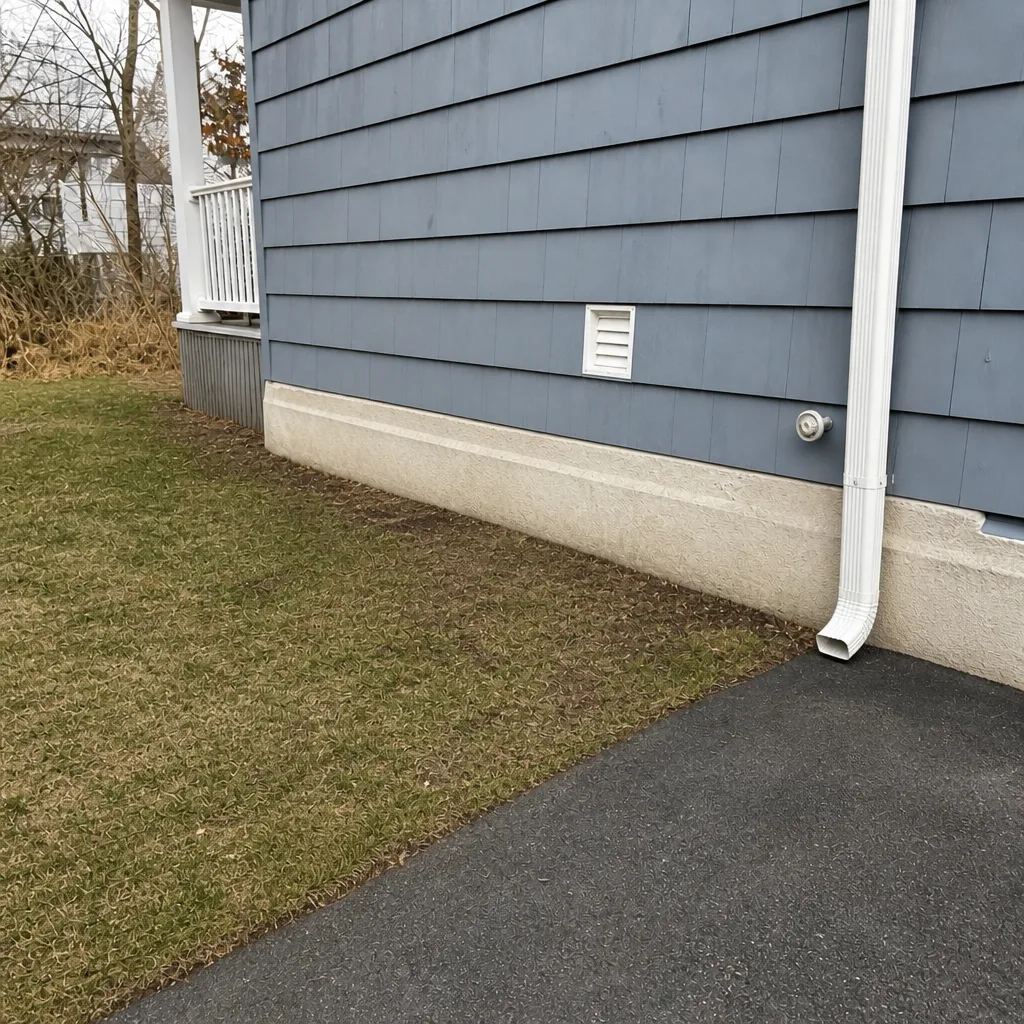
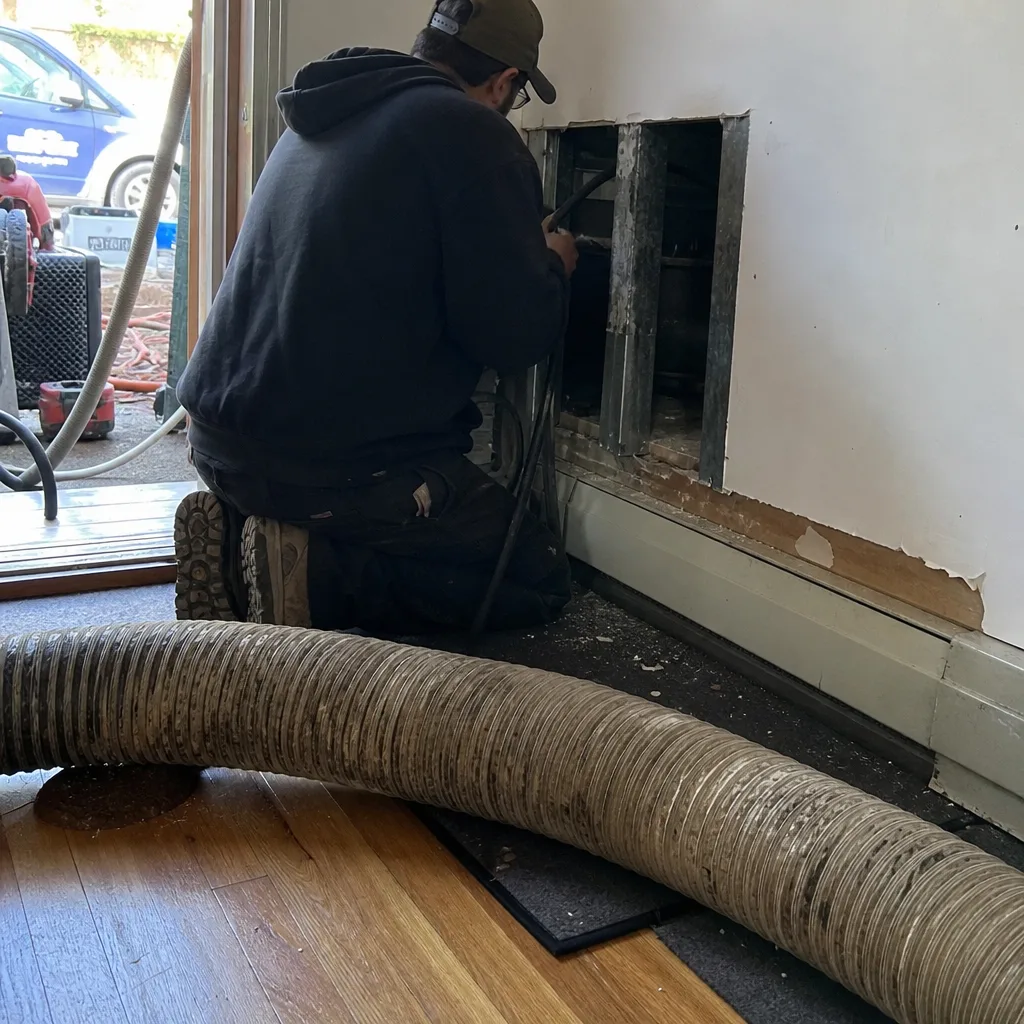
See the difference
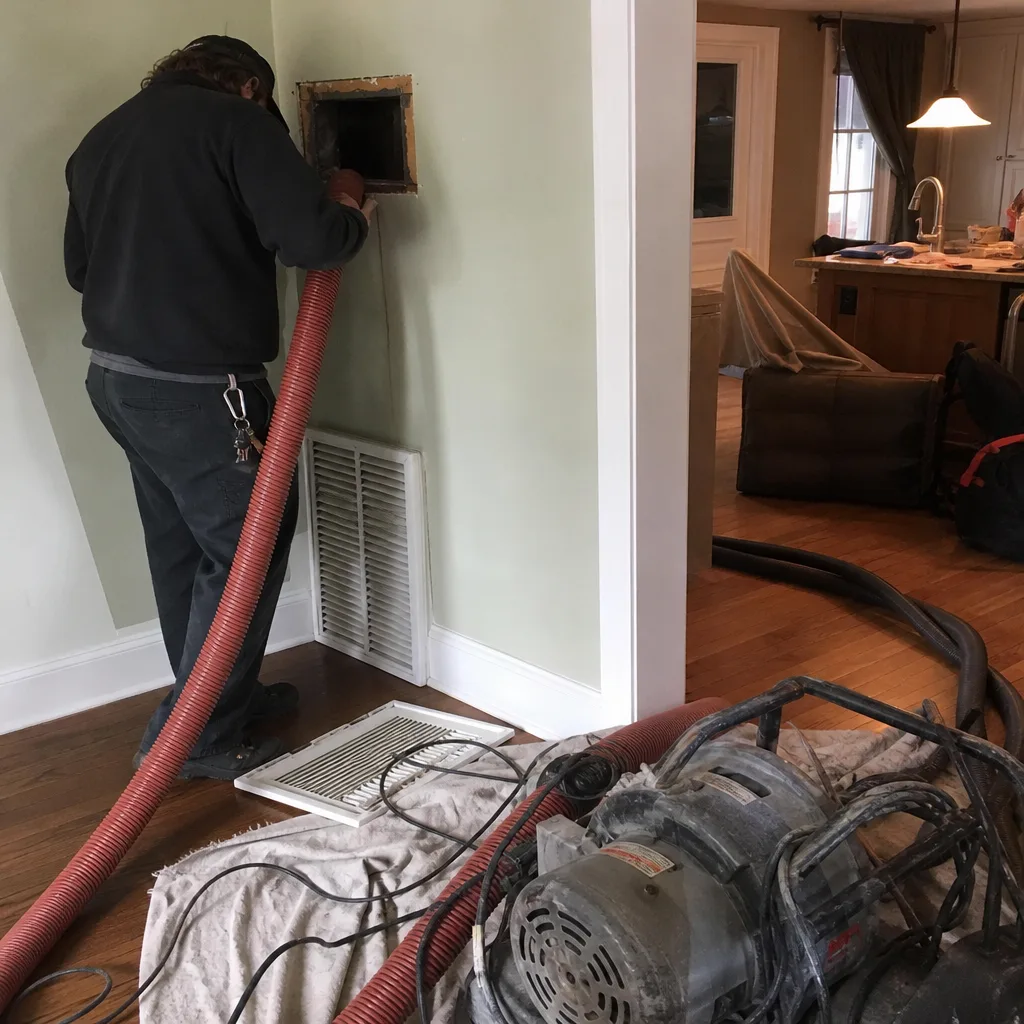 Before
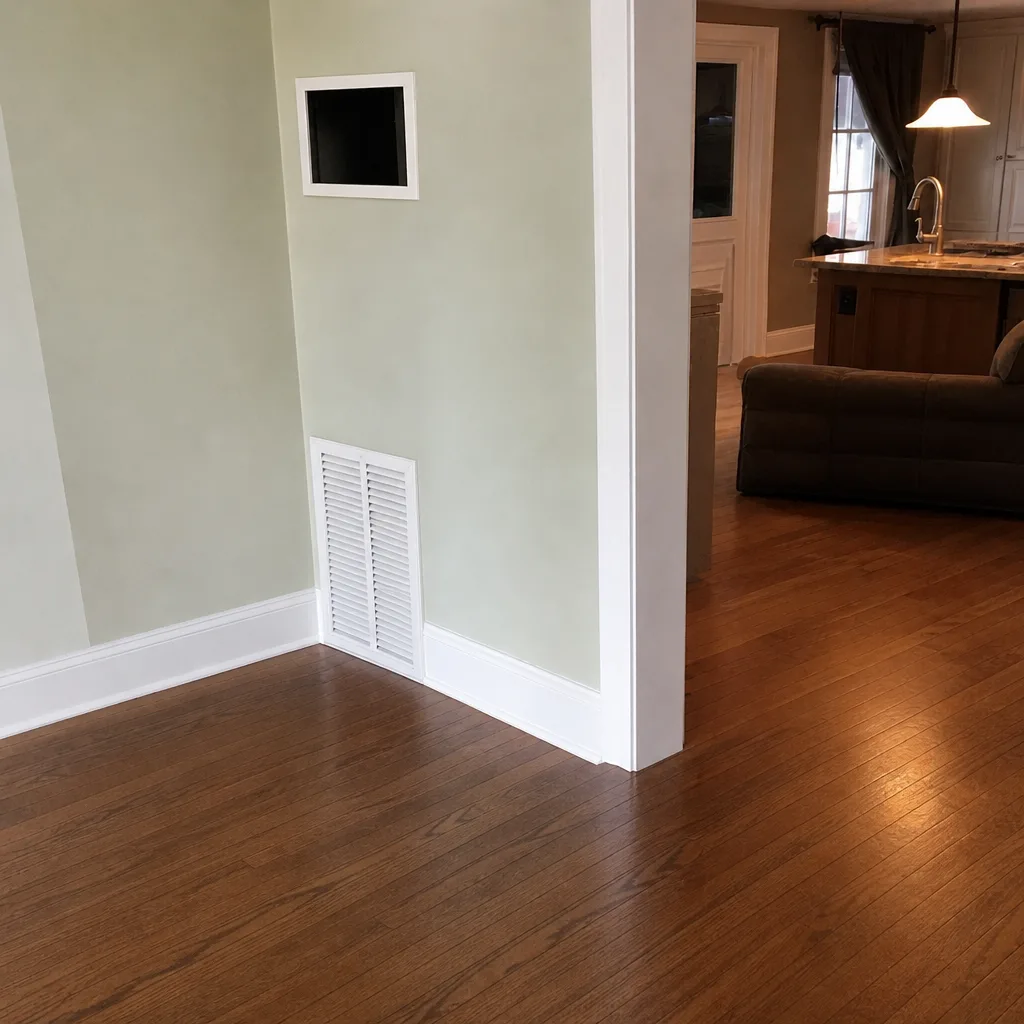 After
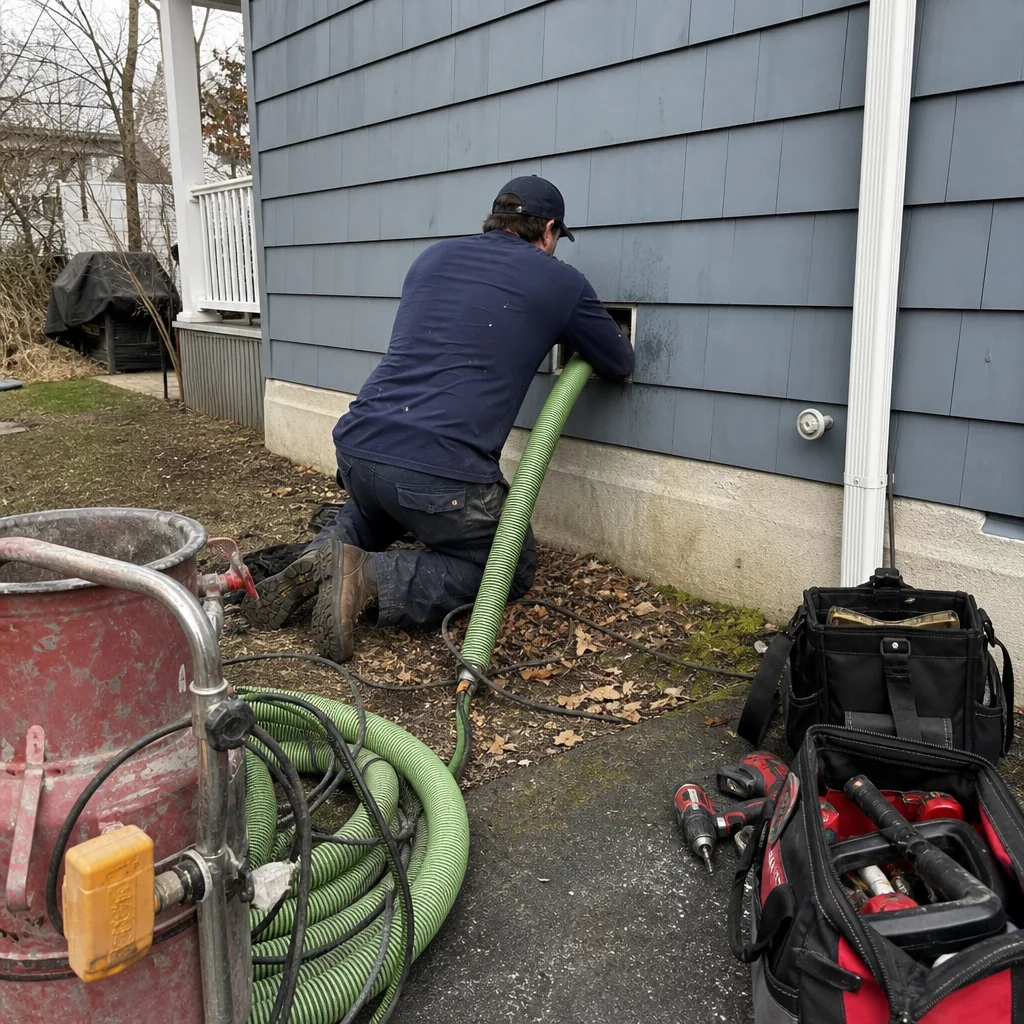 Before
 After
 Before
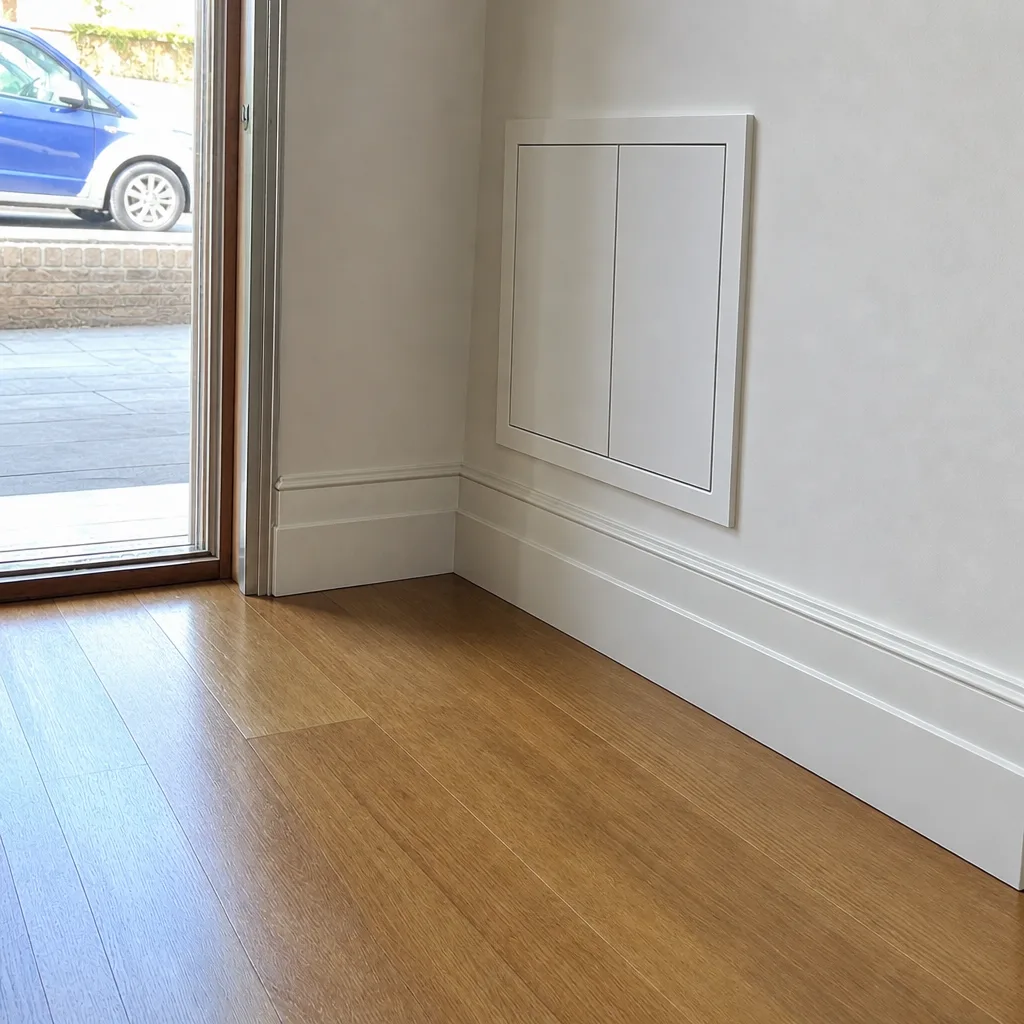 After
When to Call a Professional
Call a professional when the situation involves anything you can’t safely handle at the register. That means soot from a puff-back, rodent evidence, water intrusion near the air handler, post-renovation debris, visible growth on duct surfaces, or a system that smells musty every time it runs. It also includes the routine scheduled cleaning when your interval comes due, and any dryer vent service, which is a fire-safety task rather than a comfort one. Don’t open duct systems yourself or attempt to clean beyond the register boot with consumer equipment. The parts you can’t reach are exactly the parts that matter, and a mechanical negative-pressure rig is what lifts the fine soot and dust that a vacuum can’t. Duct Cleaning New Bedford offers free estimates in New Bedford. Call (844) 793-0706. We answer 24/7. Fast dispatch from 7am to 7pm, Sunday through Friday.
For safety’s sake, treat high-temperature duct surfaces and anything near gas or oil-fired equipment with particular caution. If you smell fuel or gas, leave it alone and call the fuel provider first. Our role is to clean and repair duct systems, not to service the heating equipment itself.
Dryer vents deserve their own mention. Lint trapped in a vent is a real fire risk, and it’s easy to forget because the symptom (a dryer that takes too long) is a minor annoyance. If you’ve noticed the dryer taking longer or the exterior vent flap not opening fully, book a service. Our dryer vent cleaning page covers what the process involves.
Duct Repair and Why It Belongs in the Schedule
One thing that separates a full schedule from a cleaning-only one is repair. Ducts that pull in humid air from a crawlspace or attic keep reintroducing moisture, and a cleaning that doesn’t address the breach is wasted effort. Duct Repair finds and fixes compromised sections, whether that’s a disconnected joint, crushed flex duct, or a gap at a connection that never got sealed properly. When the report from a cleaning flags damage, treat repair as part of the same schedule rather than a separate project. It closes the loop and it protects the interval you’ve set.
If you’d like to see how this fits with the full offering, our Duct Cleaning New Bedford page is the starting point. We clean it, and if it’s broken, we fix it.
Frequently Asked Questions
It depends on your home. A pre-1980 home with oil heat and panned-joist returns generally needs cleaning every 2 to 3 years, while a newer home with sealed metal ducts and a MERV-11 filter can go 5 to 7 years. Call (844) 793-0706 for an exact assessment. Estimates are free.
Yes. Sustained summer humidity creates conditions where moisture can stay on duct surfaces long enough for dust to become a substrate for growth. Homes in New Bedford with ducts in unconditioned space, like an attic or crawlspace, need the spring moisture check every year before AC season.
Pricing is per system by estimate, and a written estimate sets the final price before any work starts. We don’t quote per-vent prices or teaser coupon figures, because those tend to grow once a technician is on site. Call (844) 793-0706 for a free estimate.
Usually because the work will be done with consumer-grade equipment or on a per-vent basis, which often means a low opening number that grows once the technician arrives. Contractor-grade rigs from Rotobrush and Nikro cost more to run, and the result is different. Ask for one flat price per system and before-and-after photos before you book.
Ask for before-and-after photos of your own ducts, plus a written report of what was cleaned and what condition the system was in. That’s how you confirm the work, and it’s also how you set your next cleaning interval. Call (844) 793-0706 to book an estimate.
No, treat it as a separate item. Dryer vent lint accumulates on its own timeline, and it’s a leading cause of residential fires, so it deserves its own check rather than being folded into duct cleaning. If the dryer takes longer to dry or the exterior flap doesn’t open fully, book a service.
The Bottom Line
A single cleaning interval doesn’t fit most houses. In New Bedford, the variables that matter are humidity, oil heat, and construction era. Old construction with panned-joist returns needs cleaning every 2 to 3 years. Newer homes with sealed metal and a MERV-11 filter can stretch to 5 to 7 years. Between visits, change filters on schedule, vacuum registers, keep the dryer vent clear, and do the spring moisture check before AC season. An oil puff-back, rodent evidence, water intrusion, or post-renovation debris resets the clock entirely. And keep a written report from every service, because that record is what lets you set the next interval with confidence instead of guesswork.
If your system is due or you’re not sure when it last saw professional attention, we can help. Duct Cleaning New Bedford offers free estimates. Call (844) 793-0706. We answer 24/7. Fast dispatch from 7am to 7pm, Sunday through Friday.
Written by the team at Duct Cleaning New Bedford.