
Last updated November 15, 2026
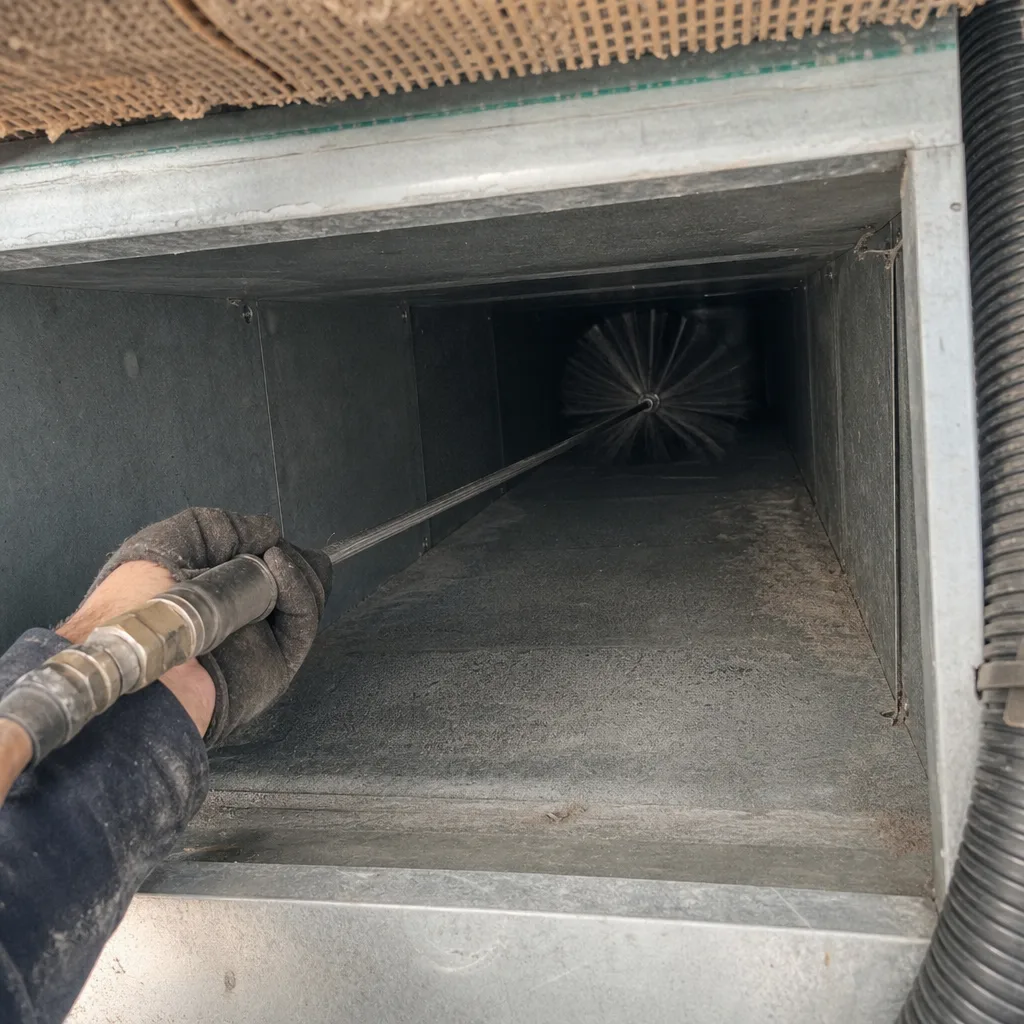
 Whole-home duct cleaning
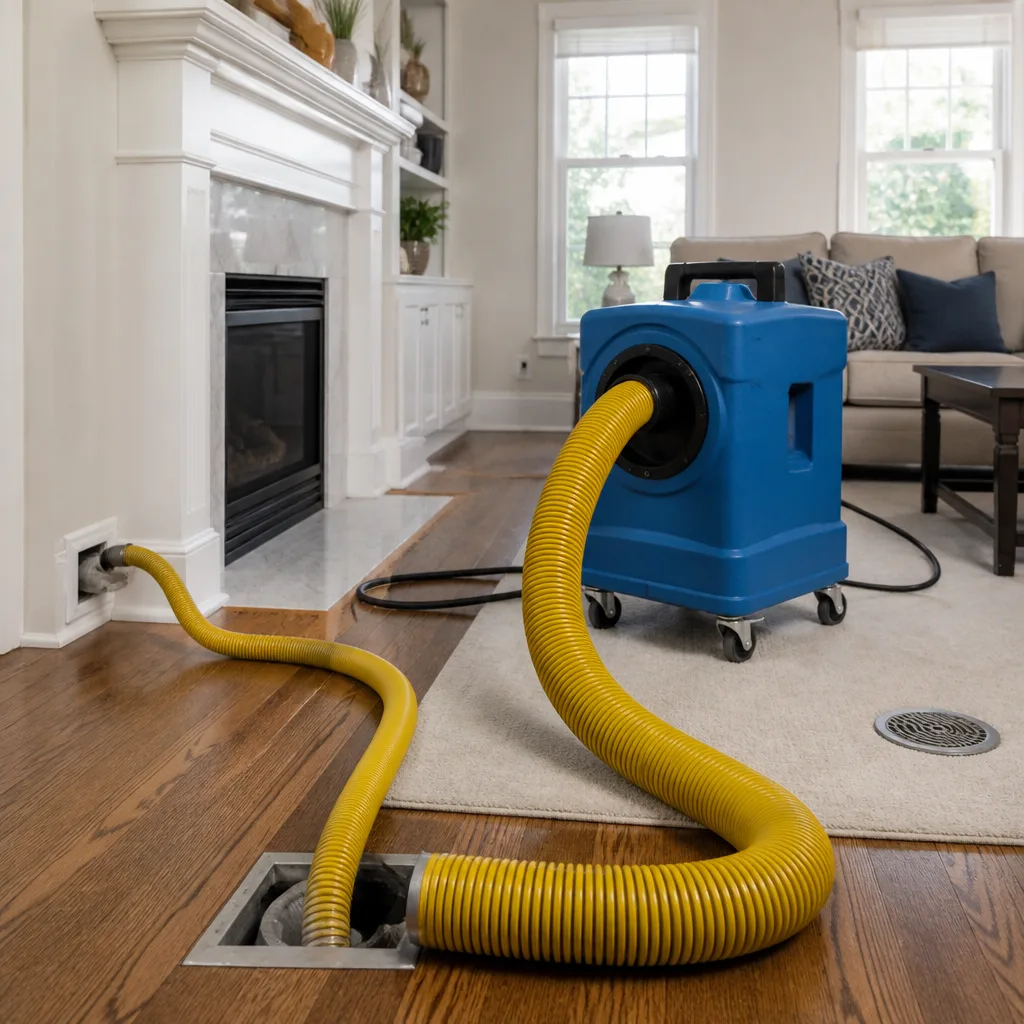
 Dryer vent cleaning
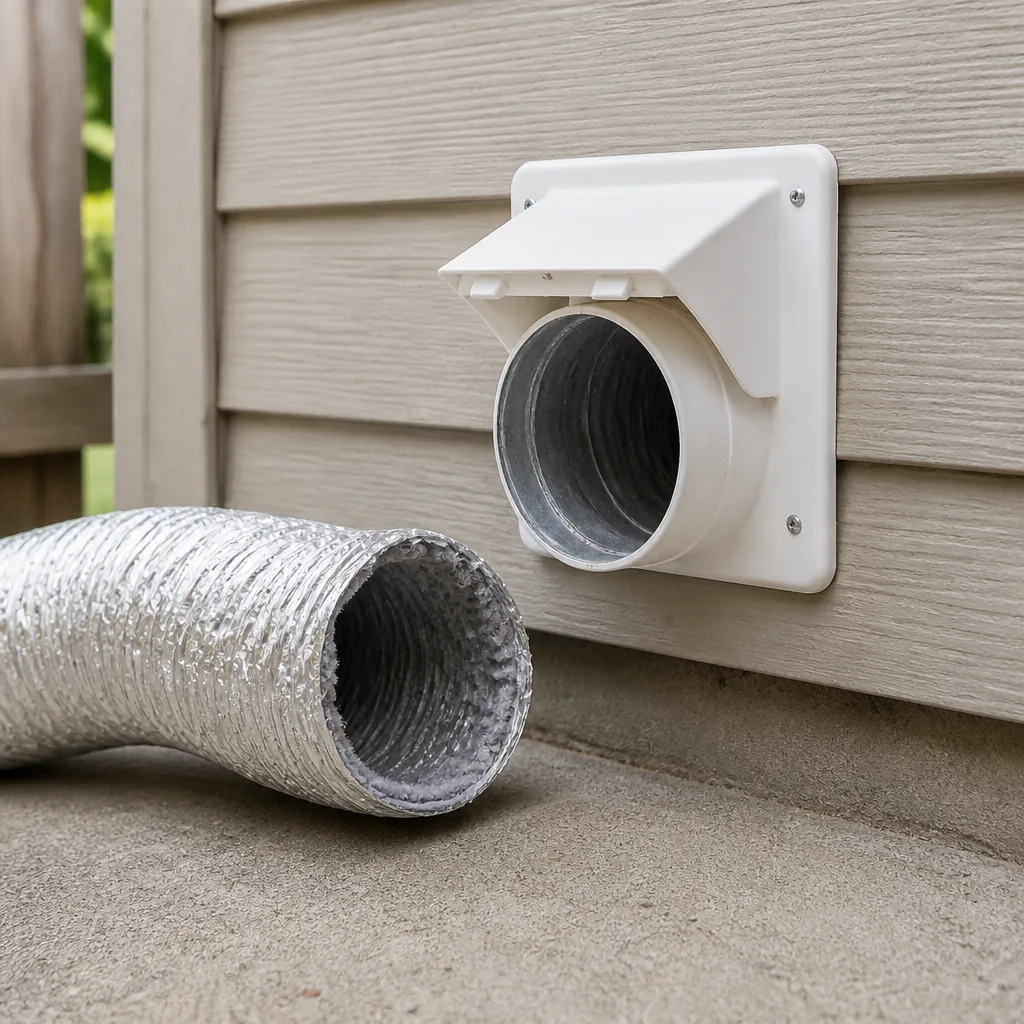
 Camera inspection
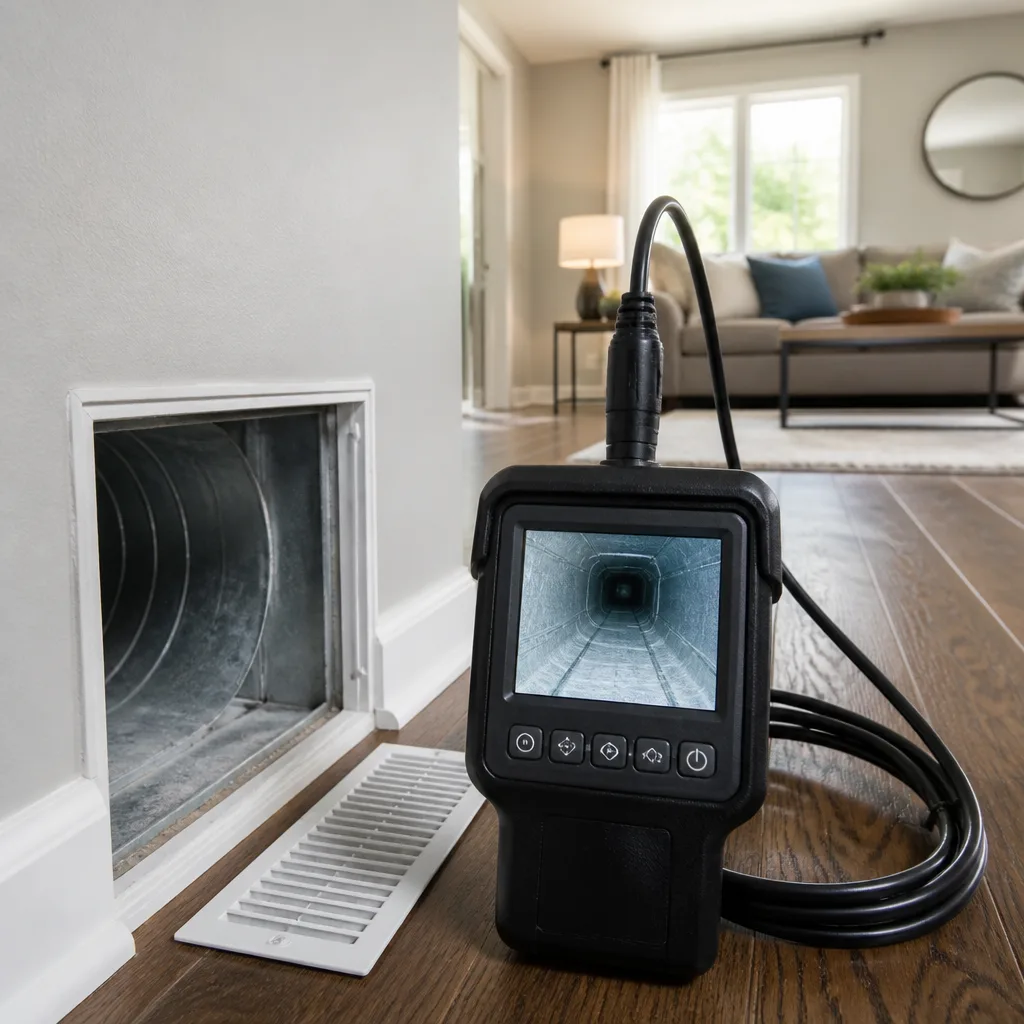
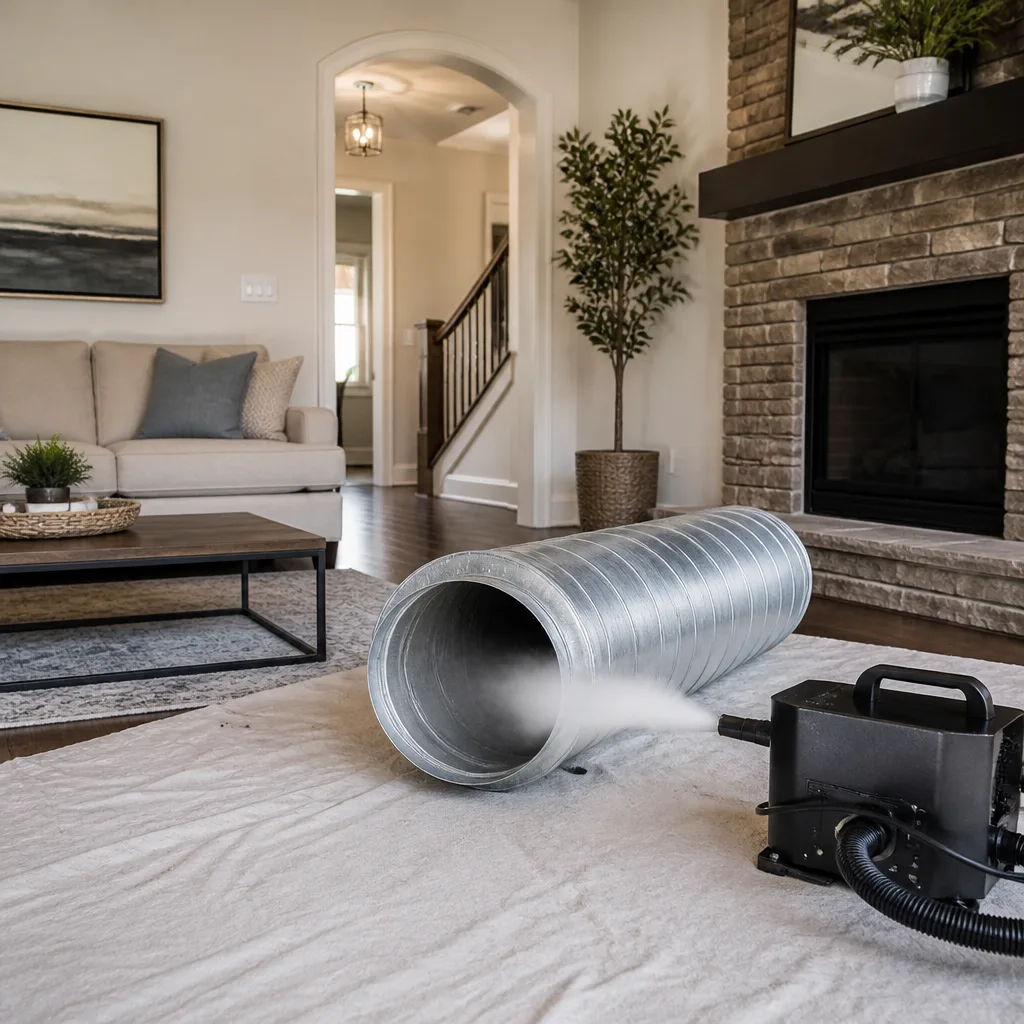 Sanitizing & deodorizing
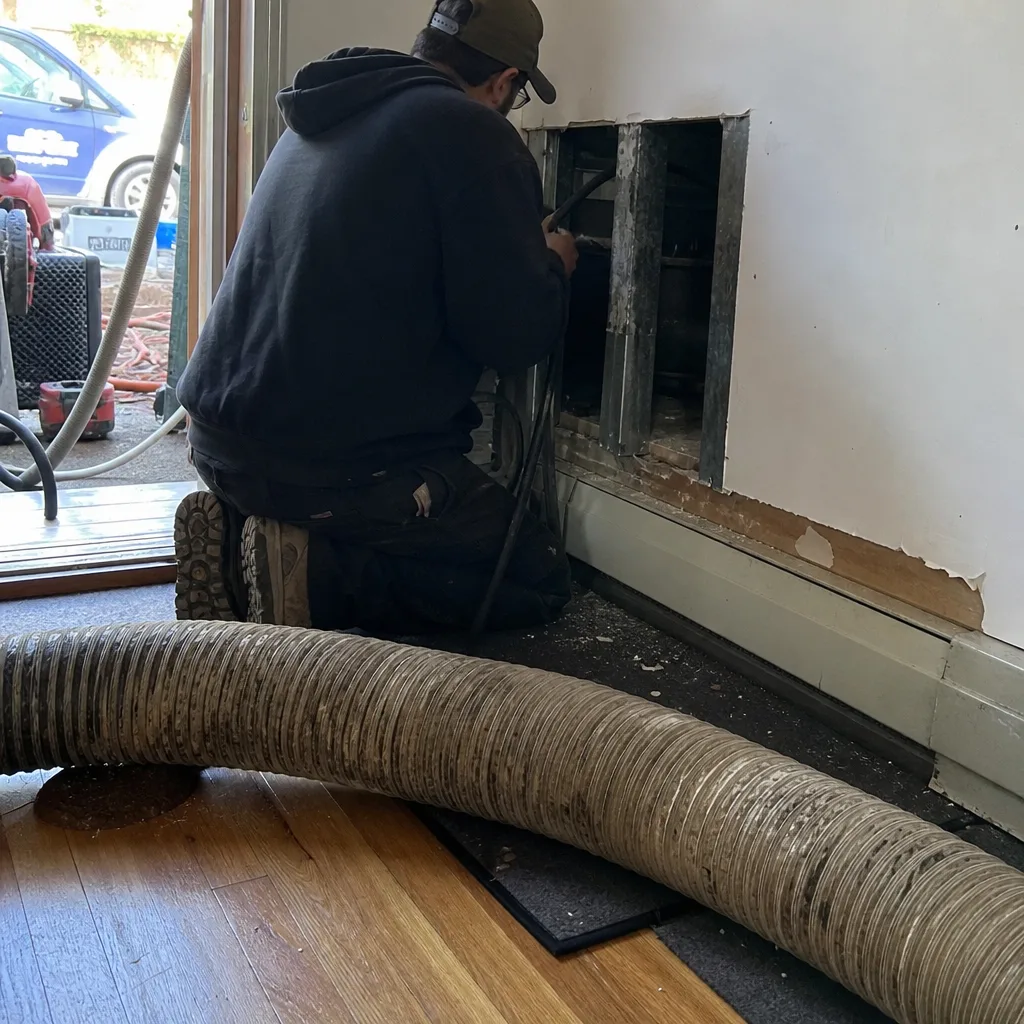
Whole-system duct and dryer vent check with before-and-after photos - you see exactly what came out of your vents
That "$99 whole-house special" is a bait ad - the real number appears once they are in your hallway, or the "clean" is a shop-vac at the register. We photograph the inside of your ducts before and after instead.
Air Duct Cleaning Emergency Preparedness Guide for New Bedford Homes
Most homeowners think of duct cleaning as a maintenance item, something to book when the vents look dusty or the house smells stale. But there’s a second category of duct work entirely: the emergency kind. After a kitchen fire, a basement flood, or a full-gut renovation, your duct system stops being a comfort feature and becomes a contamination distribution network. Every time the blower runs, it moves smoke particles, mold spores, or drywall dust through every room in the house. This is a timed problem, and the clock starts the moment the event ends. This guide explains the three emergency scenarios, how to protect your home in the hours before a technician arrives, what documentation your insurer will expect, and how to vet a contractor under pressure in New Bedford. We clean it, and if it’s broken, we fix it.
Quick Answer
Emergency air duct cleaning in New Bedford applies to three situations: post-fire smoke and soot contamination, water intrusion that risks mold growth inside ductwork, and heavy construction debris after a renovation. In each case, keep the HVAC system off until a technician assesses the system, document everything for your insurer before cleaning begins, and hire a contractor using professional HEPA-filtered, negative-pressure equipment such as Abatement Technologies or a Rotobrush system rather than a shop vacuum.
Styles & brands we work with
- Whole-home duct cleaning
- Dryer vent cleaning
- Camera inspection
- Sanitizing & deodorizing
Table of Contents
- What Counts as a Duct Cleaning Emergency in New Bedford?
- Post-Fire and Smoke Contamination
- Water Intrusion and Flood Contamination
- Renovation Debris and Drywall Dust
- Should You Run the HVAC System Before Help Arrives?
- Insurance Documentation and Adjuster Coordination
- How to Vet an Emergency Duct Contractor Under Time Pressure
- When to Call a Professional
What Counts as a Duct Cleaning Emergency in New Bedford?
A duct cleaning emergency is any event that introduces smoke, water, or physical debris into the duct system faster than routine service can address it. That’s different from ordinary buildup, which accumulates over years and can wait for a scheduled appointment. An emergency has a contamination source, a start time, and a clock. In New Bedford, we’ve fielded calls after all three: a kitchen fire that pushed soot through a whole house, a burst pipe that pooled water near basement duct runs, and a gut renovation where the return plenum pulled in drywall dust for a week before anyone noticed.
The distinction matters because the response protocol is different for each:
- Fire and smoke: Soot and char particles are acidic, sticky, and fine enough to travel through every supply and return line. Time matters because residues settle and bond to duct surfaces.
- Water intrusion: Wet duct insulation and porous duct lining create conditions for biological growth. Drying fast is the whole game.
- Construction contamination: Drywall dust, sawdust, and fiberglass fibers coat the interior of the system. The blower distributes them every time it runs.
Each of these requires a different cleaning method, a different safety posture, and a different conversation with your insurer. Treating them as one generic “duct cleaning” job is where homeowners get into trouble. The rest of this guide walks through each scenario in turn, then covers the practical steps: what to do before the technician arrives, how to document the damage, and how to choose the right contractor in a hurry in New Bedford.
Post-Fire and Smoke Contamination
Smoke damage in ducts is almost always worse than it looks from the register covers. Visible soot at the grilles is only the leading edge. Smoke travels the whole system while the blower runs during and after a fire, leaving acidic residue on the inside of every supply and return branch. Smoke residue isn’t just an odor problem. Left in place, it can corrode the metal duct wall and keep recirculating fine particles long after the fire department has gone.
The equipment standard for post-fire duct work is HEPA extraction paired with negative pressure. That’s the class of gear used by restoration and remediation contractors, and it includes machines like Abatement Technologies HEPA units. The negative-pressure setup matters because it keeps smoke residue inside the system while the cleaning head dislodges it. A vacuum that isn’t HEPA-rated can push fine carbon particles straight back into the living space. In our experience, this is the single biggest quality gap between a restoration-grade company and a low-bid operator.
A proper post-fire duct cleaning sequence looks like this:
- Seal and contain. Registers are temporarily sealed and the work area around the air handler is contained so soot isn’t disturbed into the home.
- Set negative pressure. A HEPA extraction unit pulls the system into negative pressure so loosened material travels toward the machine, not outward.
- Mechanically clean every branch. A rotary brush system such as Rotobrush is run through each line to break soot from the duct wall.
- Clean the air handler. The blower, coil, and cabinet get attention because smoke passes through them too. Dirty components recontaminate clean ducts.
- Verify and photograph. Before-and-after photos of the inside of the ductwork give you documentation for your insurer and proof the work was done.
If your fire was confined to a single room and the HVAC system was switched off quickly, contamination may be limited, but it still needs an inspection. Ask for photos from inside the system before you accept an all-clear.
Water Intrusion and Flood Contamination
Water in ductwork is a drying emergency first and a cleaning job second. Standing water inside a duct run, saturated insulation, or damp porous duct lining creates conditions that support biological growth, and the timeline is measured in days, not weeks. If a burst pipe, a sump failure, or a flood from an appliance has put water anywhere near your duct runs, treat it as an active problem.
The right response depends on the duct construction:
- Sheet metal ducts can often be cleaned and disinfected once fully dried. The interior surface is non-porous, so thorough drying followed by mechanical cleaning handles most situations.
- Flexible duct with insulation that has taken on water usually cannot be salvaged. Saturated fiberglass or porous lining should be replaced rather than cleaned, and this falls under air duct cleaning and repair work.
- Ductboard and lined plenums need close inspection. Some sections can be dried and cleaned, others cannot.
The hidden problem in a basement flood is that the air handler often sits in the wet zone. If the cabinet took on water or the blower was submerged, the equipment itself needs assessment before the ducts are cleaned. Running a wet blower pushes moisture and contaminants through the system. Get the air handler inspected and dried first, then move to the ducts.
New Bedford’s older housing stock makes this scenario more common than you’d expect. Many homes here have basement duct runs with original insulation and ductwork that predates modern moisture barriers, and long cold winters mean moisture problems get discovered later than they would in a milder climate. If water reached a duct run, don’t wait for a smell. Call for an inspection and start the drying process.
Renovation Debris and Drywall Dust
Renovations are the quietest of the three emergency scenarios. Nobody calls after a renovation thinking “emergency,” because there was no fire and no flood. But a full renovation pulls enormous volumes of drywall dust, sawdust, and fiberglass fibers into the return system, and once they’re in, every heating or cooling cycle redistributes them through the house. You’ll notice it as persistent dust on horizontal surfaces, a chalky smell, or new allergy symptoms that started during the project.
The contamination path is predictable. During demolition and drywall work, return grilles sit open and the HVAC system is often left running for comfort. Every time the blower cycles, the return pulls in the dust cloud floating through the renovation zone. The filter catches some of it. The rest coats the interior of the return trunks, the plenum, and downstream supply branches. A standard change of the furnace filter won’t reverse that.
The cleaning approach for construction contamination is mechanical and thorough:
- Replace the HVAC filter as a first step so the system isn’t pulling old dust forward.
- Clean the return side first, because that’s where the bulk of the debris sits.
- Run a rotary brush system through every branch, including the supply side.
- Clean the blower and coil cabinet, which accumulate their own coating during a renovation.
- Install a filter with an appropriate rating for the post-renovation period, since light dust will keep settling for a few weeks.
If your renovation involved any water intrusion during demolition or framing, combine this with the drying protocol above. The two problems often show up together after a long project.
Should You Run the HVAC System Before Help Arrives?
In most emergency scenarios, keep the HVAC system shut off until a technician inspects it. Running the blower after a fire, flood, or heavy renovation is the fastest way to distribute contamination through the entire house. There are exceptions – if the outside temperature is dangerous and the home is occupied, use portable heaters or window units that don’t pull from the duct system rather than restarting central air. But absent a genuine safety reason to run the system, leave it off.
What to do in the hours between an event and a technician’s arrival:
- Shut the system off at the thermostat, not just the mode selector. The blower can run during fan-only mode even when heating or cooling is off.
- Close registers in rooms you can isolate. This slows cross-contamination through the branch lines.
- Don’t run bathroom and kitchen exhaust fans for long periods. They create negative pressure inside the house that can pull smoke or dust back in through return paths.
- Protect the filter. If the filter is a standard disposable type, note its condition before replacing it. Your insurer may want a photo.
- Keep people and pets away from the open system. If registers are off for inspection, don’t let anyone near the opening.
- Don’t vacuum duct openings with a household vacuum. A shop vac without HEPA filtration pushes fine particles into the air.
For gas-fired systems after a fire, don’t restart anything without a professional check. Gas lines are dangerous territory, and any suspicion of damage should be handled by a qualified technician, not reset at the panel. If you’re ever unsure whether the system is safe to run, it isn’t. Leave it off and get it inspected.
Insurance Documentation and Adjuster Coordination
Duct cleaning after a covered loss is usually claimable, but only if you document the damage before cleaning begins. This is the step most homeowners skip, and it costs them. Once a technician cleans the system, the evidence of pre-cleaning contamination is gone. Take photos before anyone runs a brush through a duct. Your adjuster will want to see the condition of the system, the source of the contamination, and the extent of affected ductwork.
Documentation to gather before cleaning starts:
- Photos of the exterior damage – the fire zone, water line, or renovation area.
- Photos inside the registers – visible soot, debris, or moisture in the system.
- The date and time of the event – insurers track the timeline.
- Your policy number and claim number – the contractor will ask for this if they bill your insurer.
- The pre-cleaning filter condition photo – documentation of contamination reaching the filter.
- A written scope of cleaning from the contractor – what will be cleaned, what will be repaired, and why.
Many duct cleaning contractors work with insurers and can produce invoices, scopes, and photo documentation formatted for adjuster review. Ask up front. A company that can’t put a written scope together for an insurance job is not the right call for post-loss cleanup. If your system includes whole-home air quality components such as Honeywell or Aprilaire equipment, note that in the documentation as well – those components may need service or replacement after contamination, and that’s a separate line on the claim.
How to Vet an Emergency Duct Contractor Under Time Pressure
The stress of an emergency makes it hard to shop carefully, and that’s exactly when bait-and-switch operators do their best work. A low advertised price that becomes a much larger invoice once the technician is on site is a well-known pattern in this industry. The defense is a short, specific set of questions you can ask in a five-minute phone call before booking anything.
Ask these questions before you commit:
- What equipment will you bring? You want to hear a professional brand name – Rotobrush, Nikro, or Abatement Technologies for HEPA extraction. If the answer is a “high-powered vacuum,” that’s not the same class of equipment.
- Will you seal the system and use negative pressure? A yes means contamination travels toward the machine. A no means it travels into your home.
- Can you show before-and-after photos of my own ducts? A real specialist photographs the work. A crew that can’t produce photos can’t prove the job happened.
- Is the price per system or per vent? Per-vent pricing is how a $200 quote becomes a $1,400 invoice. One flat price per system, agreed before work starts, is the right answer.
- Can you repair compromised ductwork, or just clean it? Cleaning a duct with a failed seam or a torn flex run leaves the problem in place. A company that offers repair alongside cleaning is the one you want.
- Do you work directly with insurers? If they do, they’ll tell you what documentation they provide.
Ask New Bedford-area contractors how they handle the older housing stock, since nearby plumbing and duct systems are often original to the structure. A contractor who shows up prepared for that will ask about basement duct runs and insulation condition before quoting. Our own team takes that same step: contractor-grade equipment, and a written scope that describes the cleaning per system, not per grille.
If you’re also due for dryer vent cleaning, ask whether the same contractor handles it. Dryer vents are a fire risk, and the contractor who cleans your ducts should be able to address that dedicated line of service as well.
Common Mistakes to Avoid
- Running the system “to see if it clears.” Running the blower after a fire or construction event redistributes contamination through every branch. Leave it off until a technician inspects it.
- Cleaning before documenting. Once soot or debris is removed, your adjuster can’t verify the damage. Take photos of everything before a brush goes in.
- Hiring on price alone. A low quote for post-fire duct cleaning often means a shop vacuum rather than a HEPA extraction unit, which can blow fine particles back into the living space. Ask what equipment will show up.
- Skipping the air handler. Cleaning only the ducts leaves soot or moisture in the blower and coil cabinet, which will recontaminate the clean system within weeks.
- Accepting cleanup without a written scope. Ask for a written scope that describes each zone to be cleaned and each zone to be repaired. Verbal-only commitments leave nothing to hold the crew to.
- Forgetting the dryer vent after a renovation. Construction dust travels into the dryer vent line too. If the renovation opened walls or the laundry area, include the vent on the cleanup list.
- Assuming a cleaning-only company can fix duct damage. Torn flex, failed seams, and crushed runs need repair, not just cleaning. Ask before you book.
See the difference
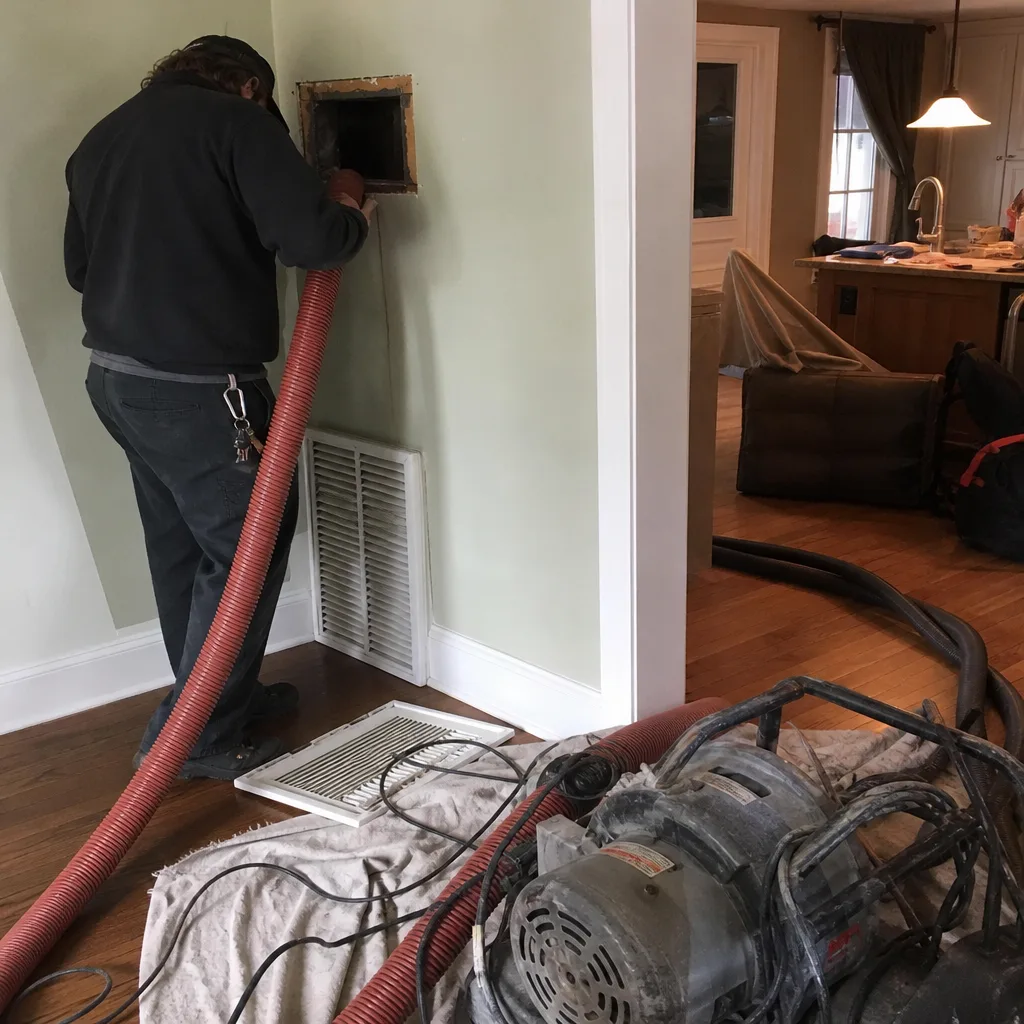 Before
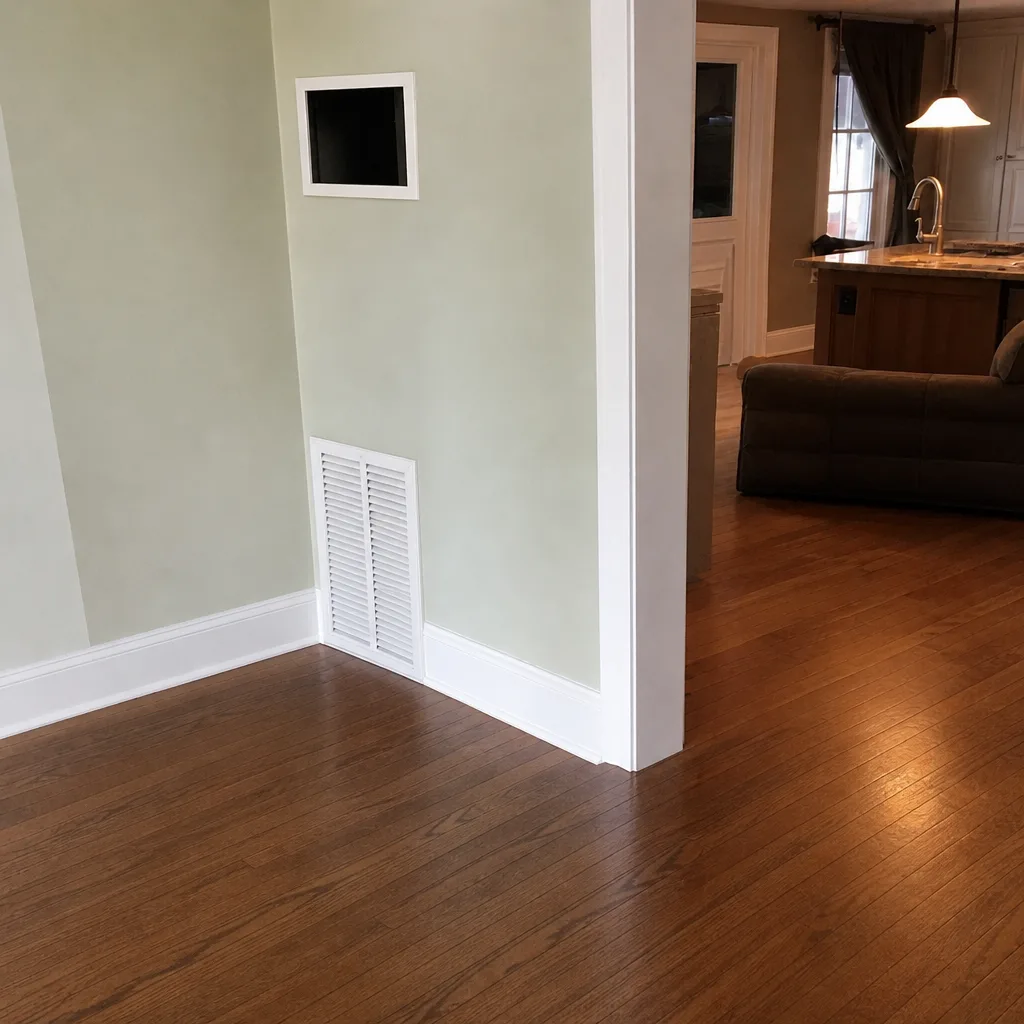 After
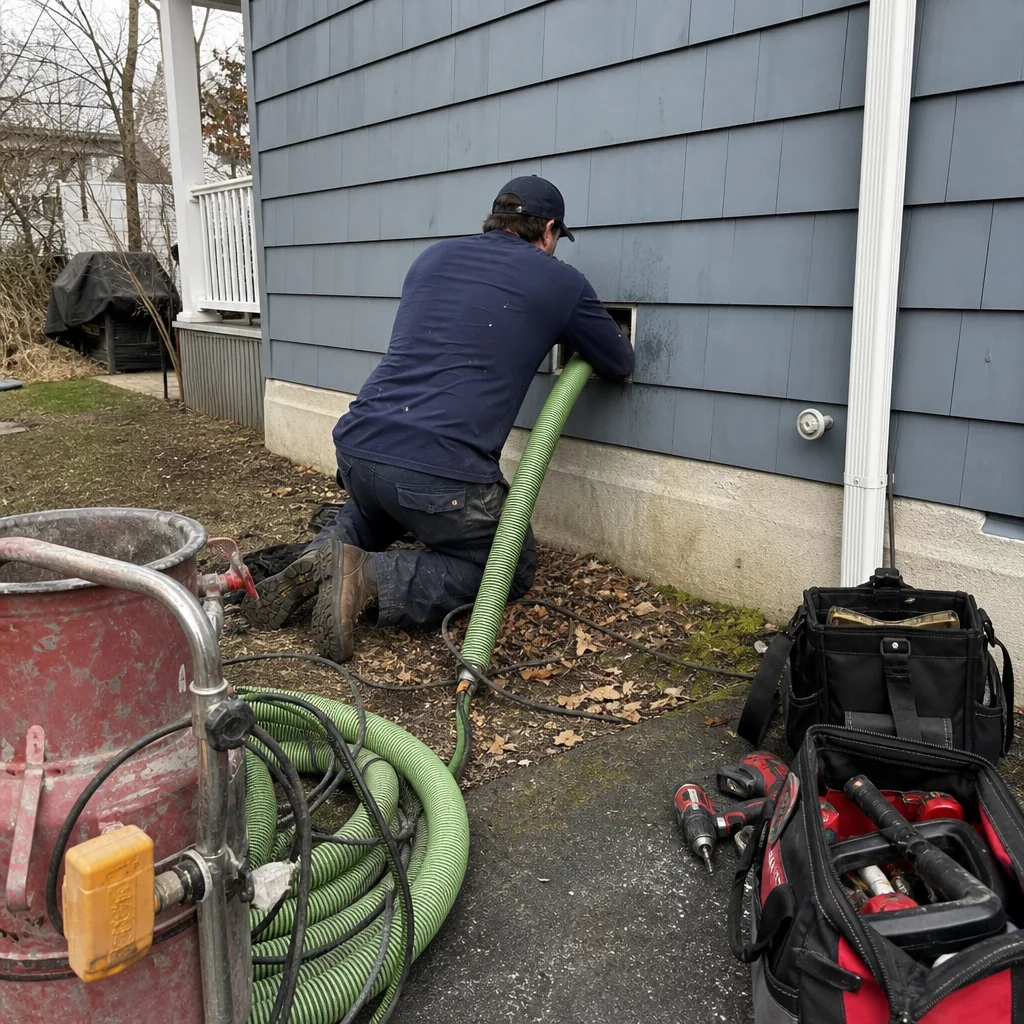 Before
 After
 Before
 After
When to Call a Professional
Call for a professional assessment after any fire that produced smoke in the living space, any water event that reached a duct run or the air handler, and any renovation that involved drywall or major demolition with the HVAC system running. Call if you see visible soot at the registers, a chalky film on horizontal surfaces, a persistent smell after a fire, or new allergy symptoms that started after a project. Call also if a duct line looks crushed, torn, or disconnected after an event, since that’s a repair job, not just a cleaning job.
We answer 24/7. Fast dispatch from 7am to 7pm, Sunday through Friday. Duct Cleaning New Bedford offers free estimates in New Bedford – call (844) 793-0706.
Frequently Asked Questions
Emergency duct cleaning in New Bedford is priced per system rather than per vent, and the written estimate sets the final price. Post-fire and water-intrusion jobs cost more than routine cleaning because they require HEPA extraction, containment, and often repair work. We give one flat price per system agreed before work starts, so the number on the estimate is the number on the invoice. Call (844) 793-0706 for a free estimate.
No. Keep the system off after a fire until a technician inspects the ducts and air handler. Running the blower moves soot and fine carbon particles through every supply and return branch, and the longer it runs, the deeper the contamination settles. If the system is gas-fired and there’s any suspicion of fire damage to the equipment, don’t restart it at all. Call us and we’ll walk you through what to do before the technician arrives.
Get an inspection within the first few days. Water in ductwork is a drying problem first, and the risk is biological growth in saturated insulation or porous duct lining. Sheet metal runs can often be dried and cleaned; saturated flex and lined sections usually need replacement. Don’t wait for a smell to develop. Call (844) 793-0706 to schedule an inspection.
It often will if the duct contamination is part of a covered loss, but the documentation has to happen before cleaning starts. Take photos of the source damage, the visible contamination at the registers, and the filter condition, and keep your claim number handy. Many contractors work directly with insurers and can produce a written scope and photo documentation for the adjuster. Ask up front whether the company you hire can do that.
A cheap quote usually means contractor-grade equipment won’t be on site. Post-fire and post-flood work needs HEPA extraction and negative pressure, which small operators often don’t carry. A shop vacuum can push fine soot or mold spores back into the living space. The other pattern is per-vent pricing that grows once the technician is on site. Ask what equipment will arrive and whether the price is per system or per vent before you book.
Ask for before-and-after photos of your own ducts. A specialist photographs the inside of the system before cleaning and after, and those photos are also the documentation your insurer needs. If your first call is with a company that can’t produce photos, or that quotes a price per vent instead of per system, that’s your signal to call someone else. Call (844) 793-0706 for a free estimate with documentation you can keep.
The Bottom Line
Emergency duct cleaning is a different job from routine service, and it needs a different contractor conversation. After a fire, keep the system off and get a HEPA-equipped assessment. After a flood, dry first and inspect the insulation. After a renovation, clean the return side and the air handler, not just the branches. Document everything before cleaning starts if you’re claiming it. And vet the contractor with three quick questions: what equipment, what photos, and is the price per system. That’s the whole difference between a cleanup that works and a cleanup that costs you twice. If you’re in New Bedford and you’re not sure which scenario you’re in, call and we’ll help you figure it out. We clean it, and if it’s broken, we fix it.
Call (844) 793-0706 for a free estimate. We answer 24/7. Fast dispatch from 7am to 7pm, Sunday through Friday. Visit duct cleaning New Bedford to see the full range of what we offer.
Written by the team at Duct Cleaning New Bedford.