
Last updated November 15, 2026
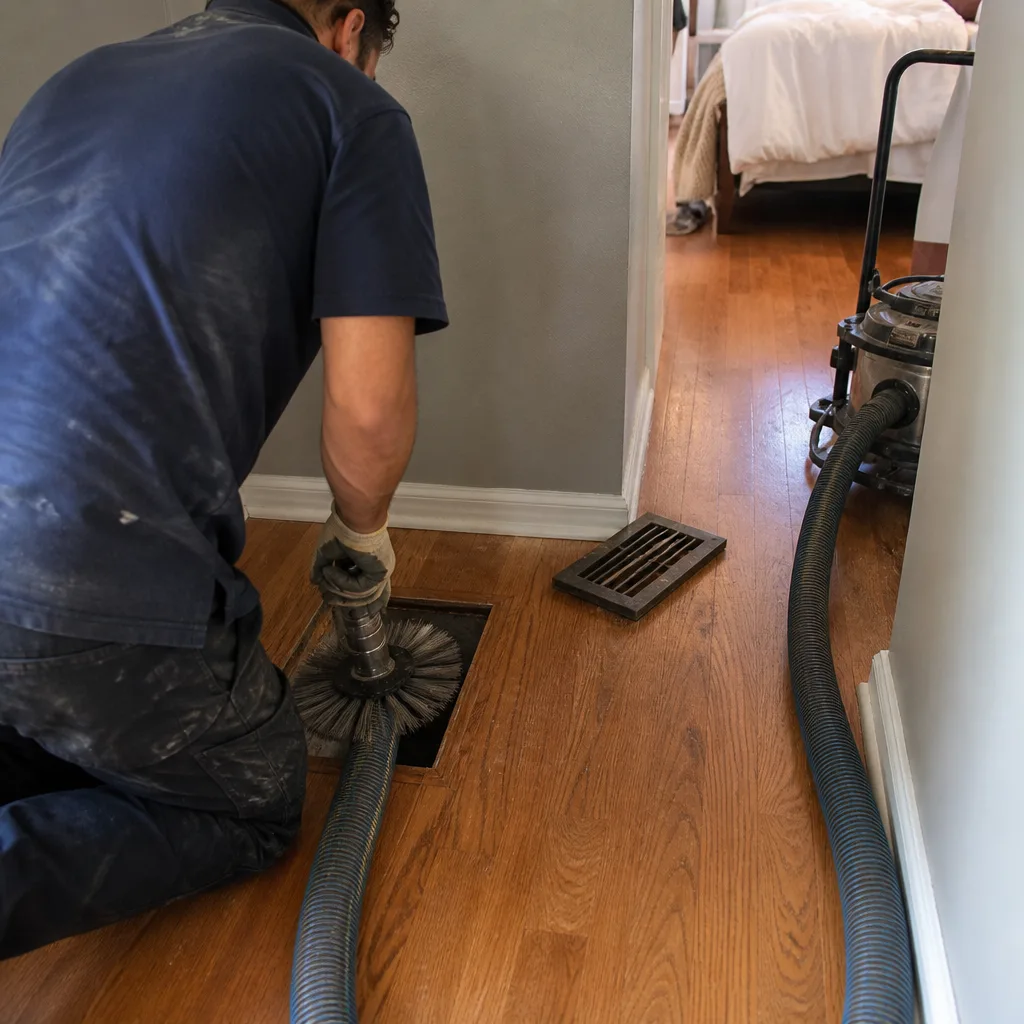
 Whole-home duct cleaning
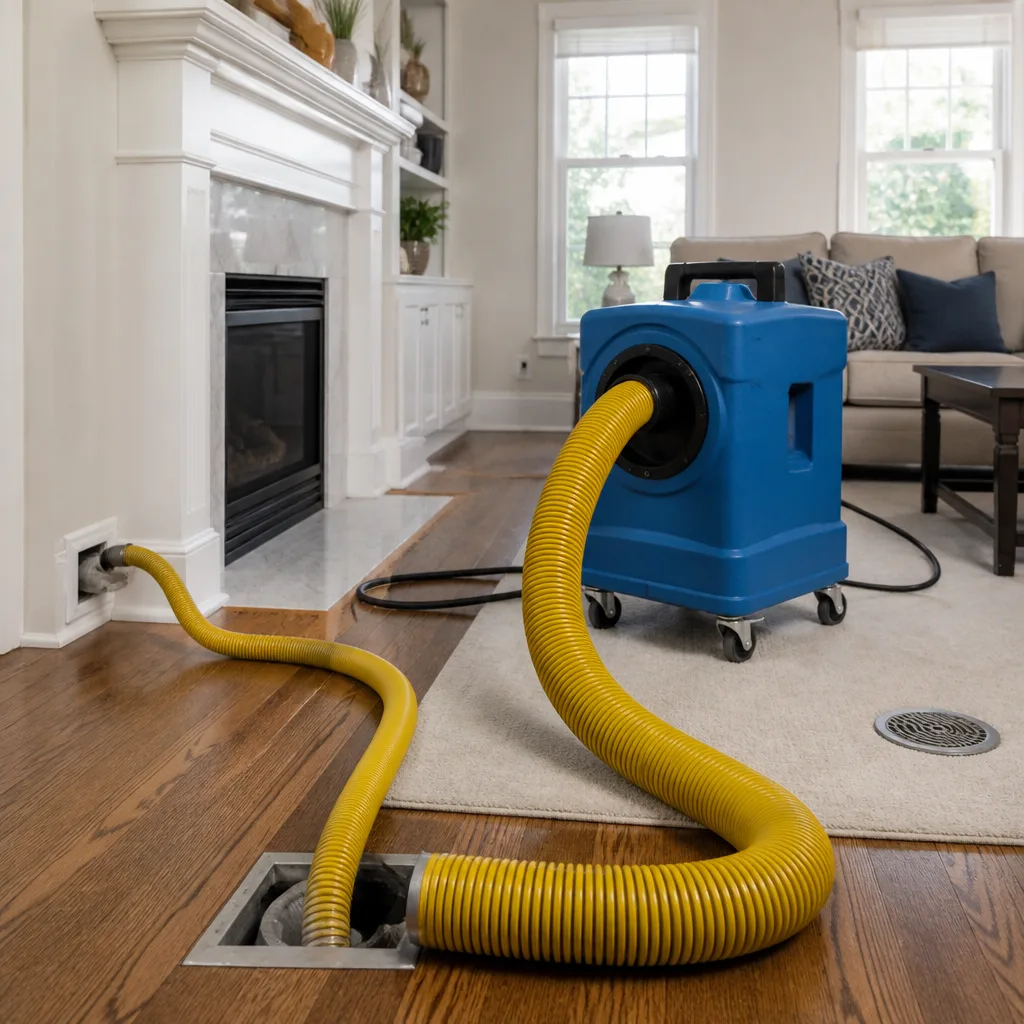
 Dryer vent cleaning
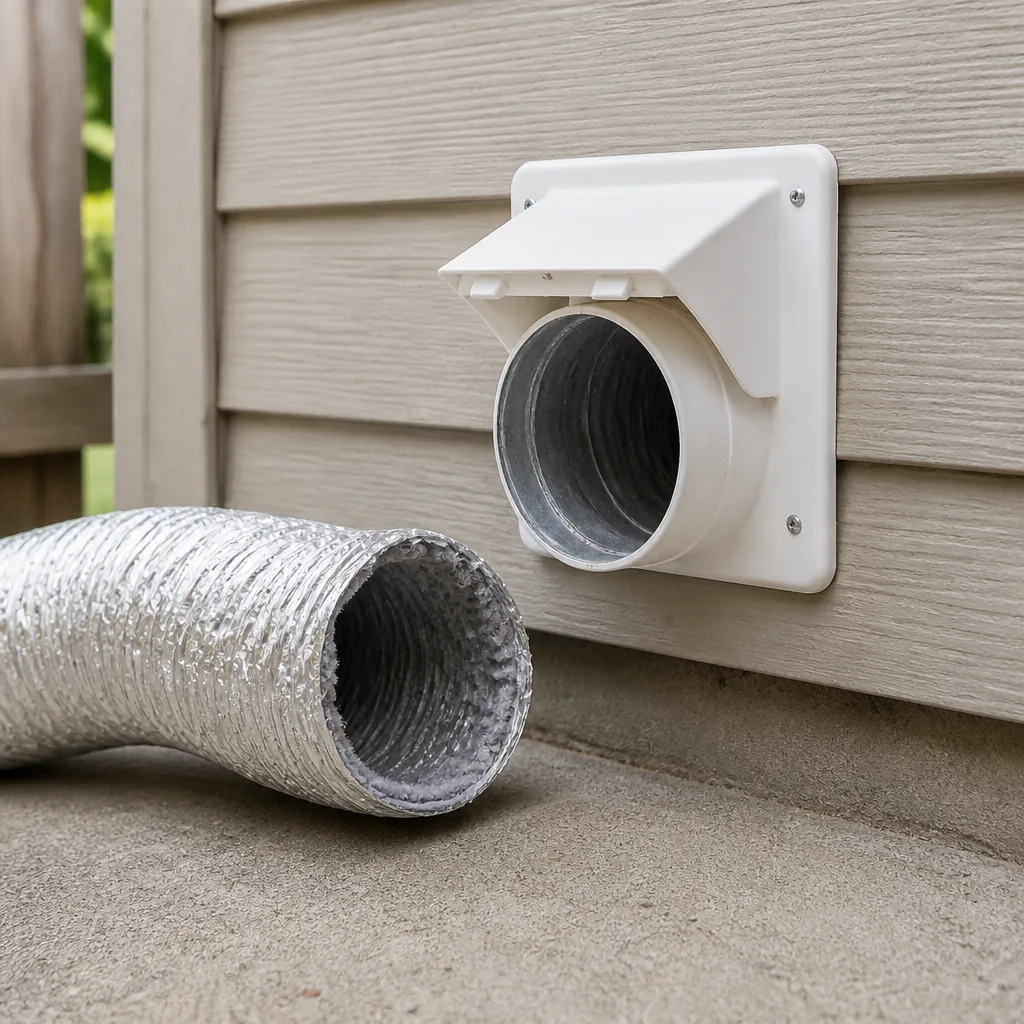
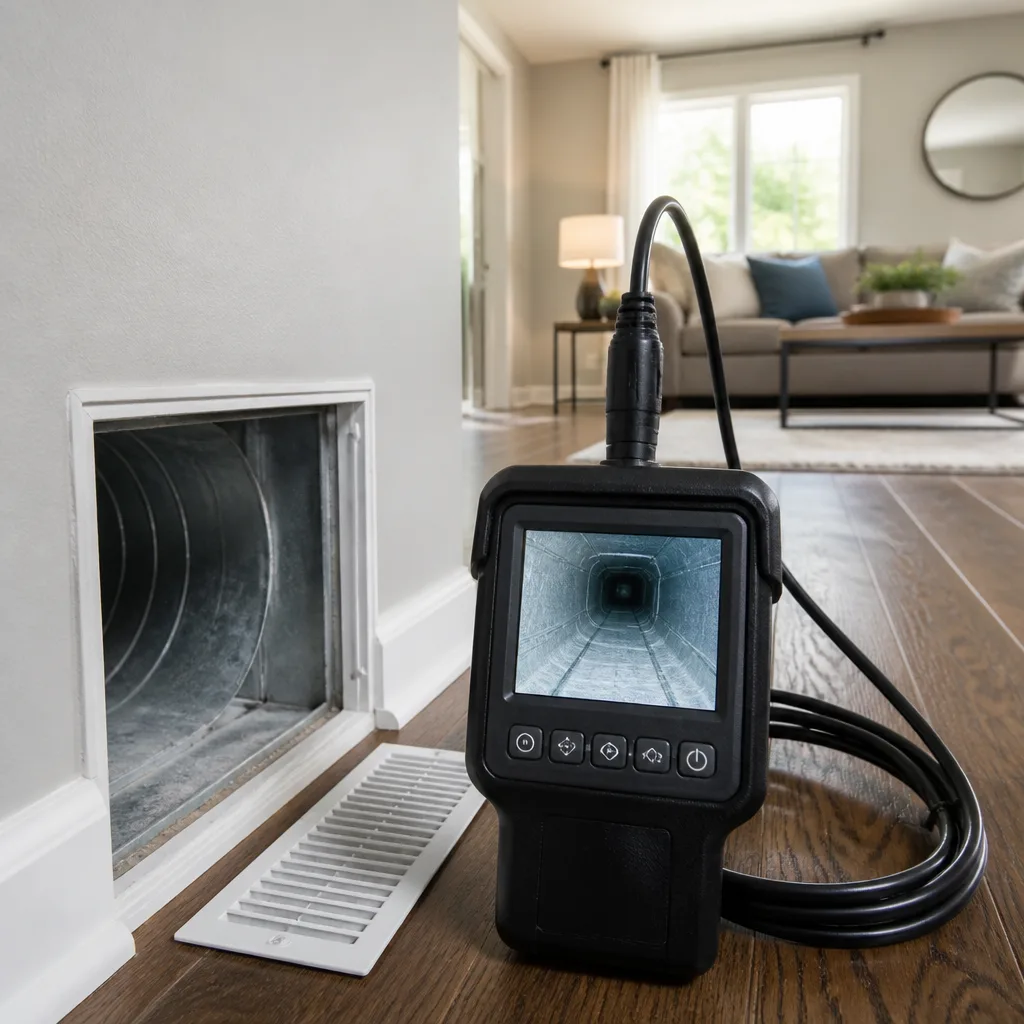 Camera inspection
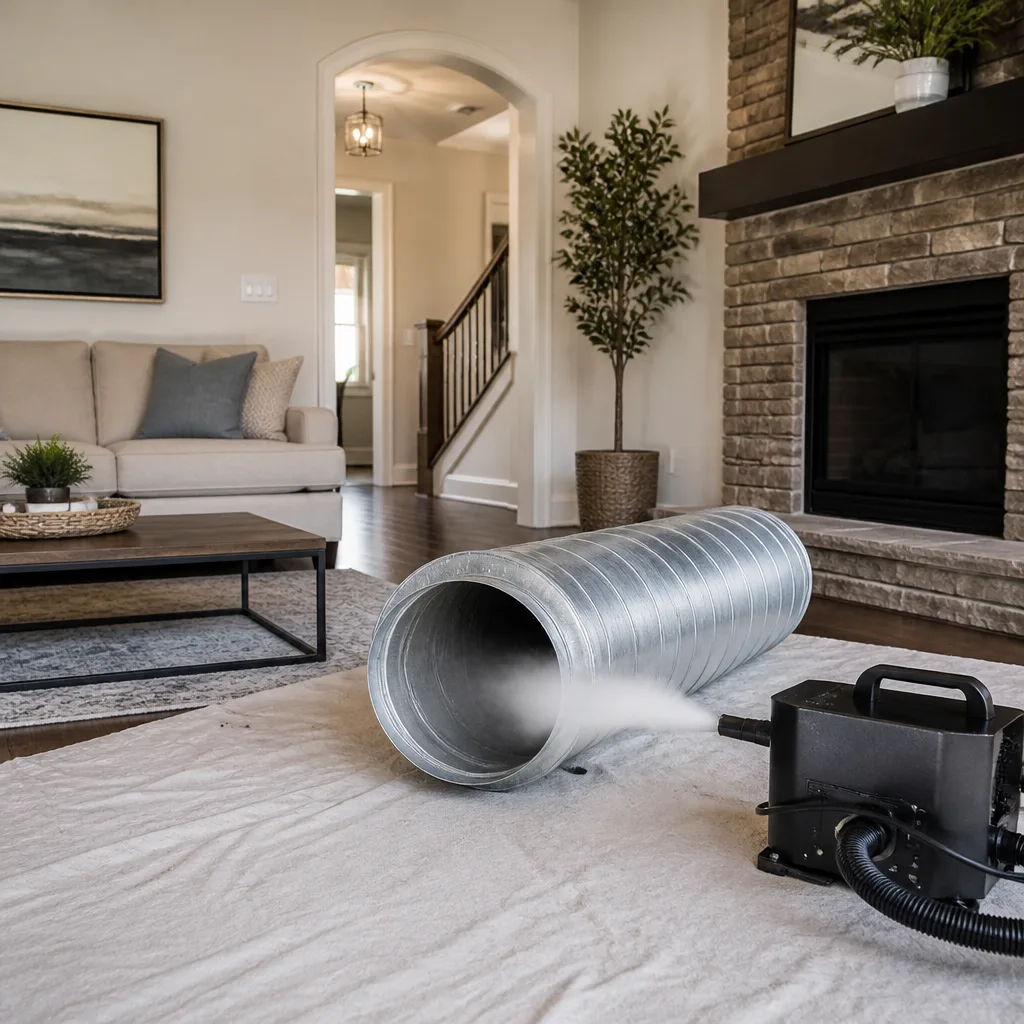 Sanitizing & deodorizing
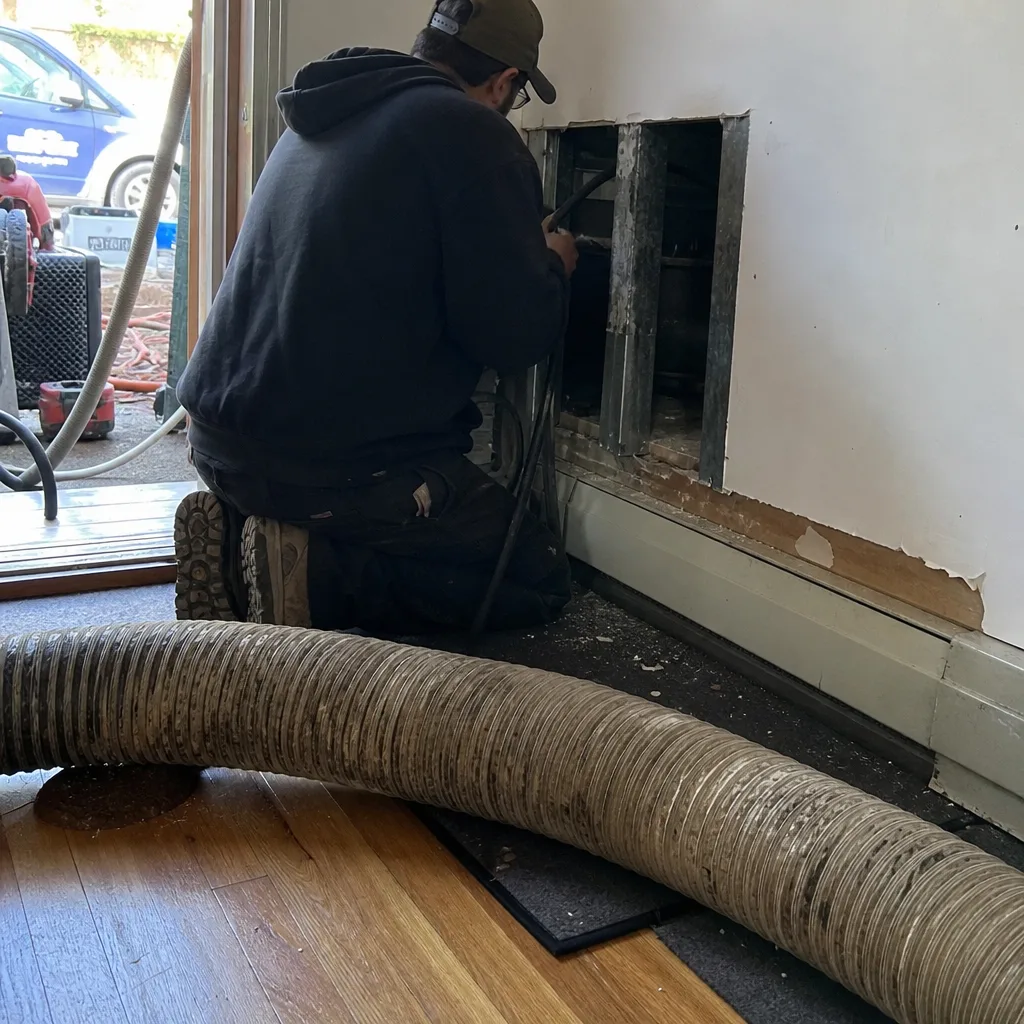
Whole-system duct and dryer vent check with before-and-after photos - you see exactly what came out of your vents
That "$99 whole-house special" is a bait ad - the real number appears once they are in your hallway, or the "clean" is a shop-vac at the register. We photograph the inside of your ducts before and after instead.
Air Duct Cleaning Maintenance Checklist for New Bedford Homeowners
Here’s the part of duct care most people get wrong: cleaning is an event, but clean is a system. A thorough professional cleaning resets your ducts to zero; what happens over the next twelve months depends entirely on the small habits you build around it. Without those habits, clean doesn’t stay clean. That gap between the appointment and the everyday care is what this guide is about. We’ve laid out a task-by-task maintenance schedule built specifically for how homes in New Bedford actually operate: a long heating season that loads ducts with soot, humid summers that keep moisture elevated, and a steady flow of outdoor particulate through open windows. Read it once, then use the calendar and inspection steps as your routine.
Styles & brands we work with
- Whole-home duct cleaning
- Dryer vent cleaning
- Camera inspection
- Sanitizing & deodorizing
Quick Answer
Air duct maintenance in New Bedford comes down to four recurring jobs: changing filters at the interval your system demands, checking registers and accessible duct runs with a flashlight every month or two, keeping the dryer vent lint trap clear and the vent line inspected, and watching indoor humidity so moisture never sits long enough to support microbial growth. Pair those habits with a professional cleaning every few years, and you’ll keep a freshly cleaned system cleaner far longer. The schedule below lays each task out by month and season, with the specific thresholds that tell you when something has shifted and a technician should look at it.
Table of Contents
- Why Duct Cleaning Without Maintenance Doesn’t Last
- Month-by-Month Maintenance Calendar
- Filter Changes: The Right Interval and the Right MERV
- How to Inspect Your Ducts With a Flashlight and Phone
- Humidity Thresholds and Where to Place a Hygrometer
- Dryer Vent Maintenance: A Fire-Safety Task
- How to Document Duct Condition Over Time
- Common Mistakes to Avoid
- When to Call a Professional
- Frequently Asked Questions
- The Bottom Line
Why Duct Cleaning Without Maintenance Doesn’t Last
Think of professional cleaning the way you think about washing a car. It looks perfect the day it’s done. Then you park on a dirt road. The interval between “clean” and “dirty again” is shorter than most homeowners expect, and in New Bedford’s coastal climate it’s shorter still. We clean ductwork with Duct Cleaning New Bedford equipment built for the job (Rotobrush and Nikro mechanical negative-pressure systems), and we’ll say plainly what every honest specialist knows: the cleaning restores the system, but the maintenance habits sustain it.
Two forces drive re-contamination. The first is supply: everything your HVAC system pulls in passes through the filter, and any filter that’s overdue or under-rated lets fine particulate slip past into the duct interior where it settles. The second is the local environment. New Bedford homes run their heat for a long stretch of the year, and oil and gas combustion leave a fine soot that coats duct surfaces. Add humid summer air and the pollen that floats through every open window, and you have a system collecting material on three fronts at once.
Here’s the useful part: none of those forces are uncontrollable. A filter on the right schedule cuts the incoming load. Register and duct checks catch intrusion early. Humidity monitoring catches moisture before it becomes a real problem. Dryer vent upkeep removes a separate, more serious risk from the equation. Each habit is small. Together they’re the difference between a cleaning that holds for years and one that feels wasted in months.
If you’re not sure where your system currently stands, a professional assessment is the honest starting point. A real air duct cleaning inspects before it cleans and shows you what it found.
Month-by-Month Maintenance Calendar
The best maintenance schedule follows the seasons rather than an arbitrary pattern, because the pressures on your ducts differ through the year. In New Bedford, the heating season dominates from late fall into spring, humid summer air raises interior moisture, and spring and summer bring pollen through every open window. Here’s how we’d map a year of homeowner tasks.
Heating Season (November through March)
- Check or change the filter every 30 to 60 days while the furnace or boiler is running daily. Heating season produces the heaviest particulate load of the year.
- Visually check supply registers each month. Streaking or a gray film on the grill face usually means air is bypassing the filter or the duct is soiled.
- Keep the return grille clear of furniture, curtains, and rugs. A blocked return starves airflow and distorts everything downstream.
- Note any new whistling or rattling at registers. These changes often signal a loose joint or dislodged duct section.
Spring Transition (April through May)
- Do a full filter change coming out of heating season, then check it monthly as the system shifts into cooling or idle.
- Flashlight-inspect accessible duct runs (basement, attic, mechanical closet) and photograph what you find for your records.
- Clear the dryer vent line of lint and confirm the exterior damper flaps freely.
- Check windows and doors for pollen trails on grilles and sills; seasonal pollen is heavy in the air from spring onward.
Cooling and Humidity Season (June through September)
- Monitor indoor humidity daily with a hygrometer in a central room. This is the stretch where moisture control matters most.
- Change the filter every 60 to 90 days during light cooling use, sooner if you’ve had windows open or pets shedding heavily.
- Inspect the condensate area of your system (or have it checked) for standing moisture or organic growth near the air handler.
- Clean return grilles and register faces with a damp cloth monthly to keep surface dust out of the airstream.
Fall Prep (October)
- Do a full visual round of every register, the air handler area, and accessible ducts before heating season resumes.
- Change the filter and write the date on it so the next interval is easy to track.
- Book a professional evaluation if a full heating season has passed since the last cleaning, or if the system is new to you.
Filter Changes: The Right Interval and the Right MERV
Filter choice is where most maintenance mistakes happen, because the instinct to “upgrade for better air quality” can starve an older blower motor. The right balance for most New Bedford homes sits in the MERV 8 to MERV 11 range. That range captures a meaningful share of fine particulate (including much of the pollen and dust that drives allergy complaints) without imposing the pressure drop that MERV 13 and higher can create.
Why does this matter more in New Bedford than in some markets? Older homes here often run oil-fired furnaces with blower motors from an earlier era. Those motors are reliable, but they weren’t designed against restrictive filters. A high-MERV filter looks like a smart purchase and can quietly reduce airflow, raise static pressure, and make the blower work harder. If the motor is original to an older system, MERV 8 is usually the safer starting point; MERV 11 only if the blower and duct system handle it comfortably. When your HVAC contractor specifies a rating, follow it. When in doubt, choose the lower MERV.
A working change schedule:
- Check the filter after 30 days of the first heating season to learn how fast it loads in your home.
- Set a reminder for every 60 days during heating season and 90 days otherwise.
- Write the date on the filter edge with a marker so you know exactly when it went in.
- Replace, don’t vacuum a disposable filter. Vacuuming a pleated filter can break fibers and reduce efficiency.
- Match the size exactly. An ill-fitting filter lets air bypass around the edges, which defeats the whole purpose.
If you want air quality addressed at the system level rather than managed one filter at a time, whole-home components from Aprilaire and Honeywell are built for that job. We work with both lines and can service existing equipment or advise on whether a media cabinet, an in-line filter, or a moisture control element belongs in your setup.
How to Inspect Your Ducts With a Flashlight and Phone
You don’t need special equipment to know whether your ducts are staying clean. A bright flashlight and your phone camera will show you plenty. The goal is a quick visual baseline you can repeat and compare over time. You are not trying to disassemble anything; you’re looking at what the airstream is carrying.
Here’s a repeatable inspection routine:
- Start at the registers. Turn the system fan on briefly and hold the flashlight at an angle to the grill face. Look for a steady dust plume or streaking. Streaking around just one register often means the branch feeding it is compromised.
- Remove one accessible register (with the fan off) and shine the light down into the branch. The first 12 to 18 inches should look and smell like clean metal or flex liner, not like a dusty attic.
- Photograph what you see. Use the phone camera with the flash on and take the same shot each time so comparisons are honest.
- Check accessible duct runs in the basement, mechanical closet, or attic. Look for disconnected joints, crushed flex runs, torn insulation jacketing, and dark staining at seams.
- Smell matters. A musty or “basement” odor at a register that wasn’t there last inspection is a meaningful signal.
- Log the date and note any changes. Even a short written record is far more useful than a fuzzy memory.
What to Look For and What to Leave Alone
The most useful findings are changes: a new dark patch, a looser joint, a register that now whistles. What you should not do is reach into ductwork with a cloth or household vacuum and try to “wipe” the interior. Flex duct liners tear easily, and a partial attempt can loosen settled debris into the airstream. If your inspection shows real soiling, that’s a signal to book a professional cleaning, not a reason to improvise.
Humidity Thresholds and Where to Place a Hygrometer
Indoor humidity is the most under-monitored variable in duct health, and in New Bedford’s humid summer climate it deserves a permanent spot on your routine. The practical threshold: keep interior relative humidity below 60%, and aim for the 30% to 50% range. Above 60% for extended periods, condensation can form on cool duct surfaces and within the air handler, creating the moist environment in which microbial growth takes hold. That’s a comfort issue and an air quality issue at once.
In winter, the concern reverses. Very low humidity (below about 30%) is hard on wood floors and respiratory comfort, and it’s worth knowing when it dips. A hygrometer reading of 20% in January is common here and tells you when a whole-home humidifier might deserve a conversation.
Where to Place a Hygrometer
- A central living area (living room or hallway), away from the sunny side, is the useful baseline reading.
- Near the air handler or mechanical closet tells you whether the equipment area is running wetter than the house.
- The basement or lowest level catches moisture that doesn’t reach the rest of the house.
- Any damp-feeling room (a bathroom without a fan, a closed-in porch, a laundry room) rounds out the picture.
Take a daily reading if you’re running an air conditioner or watching a wet basement; a weekly check is enough otherwise. When readings sit above 60% consistently, run a dehumidifier, ventilate, or call your HVAC contractor. Whole-home moisture control from Aprilaire and Honeywell can also be part of a system-level solution. This is the maintenance task that most directly protects what a professional cleaning has achieved; letting humidity creep up while the ducts are clean undercuts the whole effort.
Dryer Vent Maintenance: A Fire-Safety Task
Dryer vents belong in a duct maintenance checklist because they are, technically, part of your home’s ductwork, and because lint accumulation in the vent line is a leading cause of residential fires. That’s not a scare tactic; it’s the reason building and fire-safety guidance everywhere treats dryer vents as a distinct safety system. A clogged vent is also an efficiency problem: each load takes longer, uses more energy, and leaves more lint behind. Two tasks cover it, and both are simple.
- Clean the lint trap after every load. This is basic, but it’s the most common failure point. A clogged trap is the first sign of a vent system that isn’t healthy.
- Inspect the exterior vent twice a year. With the dryer off, look for a free-swinging damper with a clear opening. Lint packed against the screen means the line needs attention.
- Check the flex line from the dryer to the wall for crushed sections or torn material. A crushed rear connection is a common, fixable restriction.
- Watch the drying time. When a standard load starts to take noticeably longer, lint accumulation is the usual culprit.
- Book a professional dryer vent cleaning when the line is loaded or you can see lint accumulation beyond the exterior flap. dryer vent cleaning uses equipment built to clear the full line, not just the accessible ends. We treat this like a fire-safety service because that’s what it is.
How to Document Duct Condition Over Time
There’s a reason we keep pushing documentation: it’s the difference between “my ducts seem dusty” and “the register in the back bedroom went from clean to gray between March and June.” That second version gives a technician real information, and it gives you a clear record of what your maintenance routine is doing. The system doesn’t need to be fancy; a folder on your phone or a small notebook works.
What to record:
- Filter changes: the date, the MERV rating, and a photo of the old filter.
- Register inspections: date, photo of the grill face, and any notes about streaking or odor.
- Accessible duct photos: the same shots from the same angles each time, with dates.
- Humidity readings: the room, the number, and the outdoor weather that day (humid week vs. dry one).
- Dryer vent checks: date, exterior damper photo, and the drying-time trend you’ve noticed.
- Service history: the date of any professional cleaning, repair, or component replacement.
When a technician arrives, this record makes the consultation concrete. It also prevents a real problem from getting buried in the general impression of “the house is a bit dusty.” If a change is worth photographing, it’s worth bringing to a professional before it gets worse. That’s roughly our view on New Bedford homes with older, more varied duct systems: most of the issues we see would have been easy to catch with a few consistent photos.
Common Mistakes to Avoid
- Buying the highest-MERV filter available. A MERV 13+ filter can starve an older blower motor, so match the rating to the equipment. MERV 8 to 11 is usually the right zone for New Bedford homes with older oil-fired systems.
- Skipping the filter for months because it “doesn’t look dirty.” Surface appearance is misleading; fine particulate loads the media from the inside, and an overloaded filter bypasses air around its edges.
- Reaching into ducts with a household vacuum. Consumer vacuums can’t develop the negative pressure a real duct system needs, and poking around can loosen debris and damage flex liners.
- Ignoring the dryer vent until the drum starts getting hot. The most dangerous accumulation is in the duct line, not the trap, and it builds slowly. A twice-yearly exterior check is the easy fix.
- Letting summer humidity run unmonitored. Above 60%, condensation within the air handler becomes a real risk. A hygrometer costs very little and closes that gap.
- Assuming the ducts are clean because the register grills are. Air washing around the register face can be spotless while the branch feeding it is loaded.
- Waiting for a visible problem before booking a professional inspection. By the time a register plumes dust or an odor is obvious, the issue has typically been quietly present for a while.
When to Call a Professional
Some tasks are homeowner maintenance; others should go to a specialist. Call a professional when your flashlight inspection shows real soiling inside accessible ducts, when a register is pluming dust or producing an odor that wasn’t there before, or when the dryer vent line is loaded despite a clear lint trap. A visible dark staining at duct seams, a musty smell after a humid stretch, or a system that hasn’t been cleaned since you bought the house all warrant an inspection too. This is where a specialist with real equipment matters: Rotobrush and Nikro systems are mechanical, negative-pressure rigs, not shop vacuums with a hose. Duct Cleaning New Bedford offers free estimates in New Bedford, and we inspect before we quote; if a duct joint is compromised, we can repair it, not just clean around it. Call (844) 793-0706 for a free estimate. We answer 24/7. Fast dispatch, 7am-7pm, Sunday through Friday.
Frequently Asked Questions
Most New Bedford homes do best with a professional cleaning every three to five years, with dryers and returns checked more often. Homes with pets, allergy sufferers, or older oil-heat systems may benefit from a shorter interval. Call (844) 793-0706 for an exact quote; estimates are free.
MERV 8 is usually the safe starting point for older systems with an original blower motor, while MERV 11 fits where the system handles it comfortably. Higher ratings can restrict airflow and burden the motor. Call (844) 793-0706 to discuss your setup; estimates are free.
A flashlight at each register and one accessible duct run will usually tell you: streaks on the grill, a dusty first foot of branch, or a musty smell are signs of real soiling. Repeat photos over time make the change obvious. Call (844) 793-0706 for a professional inspection; estimates are free.
No, not effectively. A shop vac doesn’t develop the negative pressure a proper system requires, and reaching into flex ducts can tear the liner. Contractor-grade Rotobrush and Nikro systems do the job without the risk.
Keep indoor humidity between 30% and 50%, and below 60% even in humid summer weather. Above 60% allows condensation on cool surfaces that can support microbial growth. Whole-home components like Aprilaire and Honeywell products can help manage moisture year-round.
If the exterior flapper is stuck or packed with lint, or a standard load takes longer than it used to, the vent line needs cleaning. Check the exterior vent twice a year and clean the lint trap with every load.
The Bottom Line
A cleaning appointment resets your ducts; the maintenance habits afterward decide how long that reset lasts. In New Bedford, the three pressures to manage are heating-season soot, summer humidity, and outdoor pollen. Change filters on the right interval with the right MERV. Inspect registers and accessible ducts every month or two and photograph what you find. Keep a hygrometer reading in view and flag anything above 60%. Clear the lint trap with every load and inspect the dryer vent twice a year. Log what you find. That routine, done consistently, is what turns a one-time cleaning into a system that stays clean. Full-service air duct cleaning pairs well with repair, so if a duct joint is compromised, we can fix it alongside the cleaning rather than leaving it behind. For free estimates in New Bedford, call (844) 793-0706. We answer 24/7. Fast dispatch, 7am-7pm, Sunday through Friday.
Written by the team at Duct Cleaning New Bedford.
See the difference
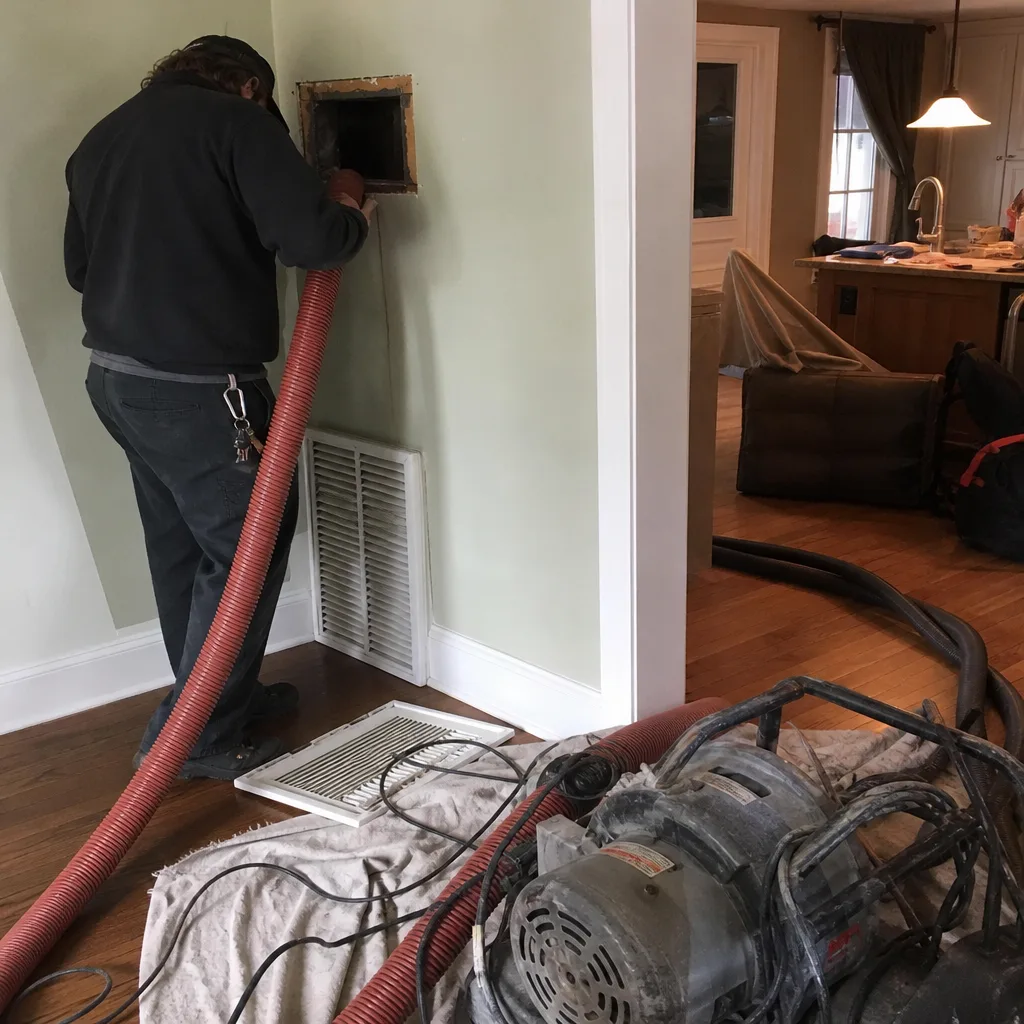 Before
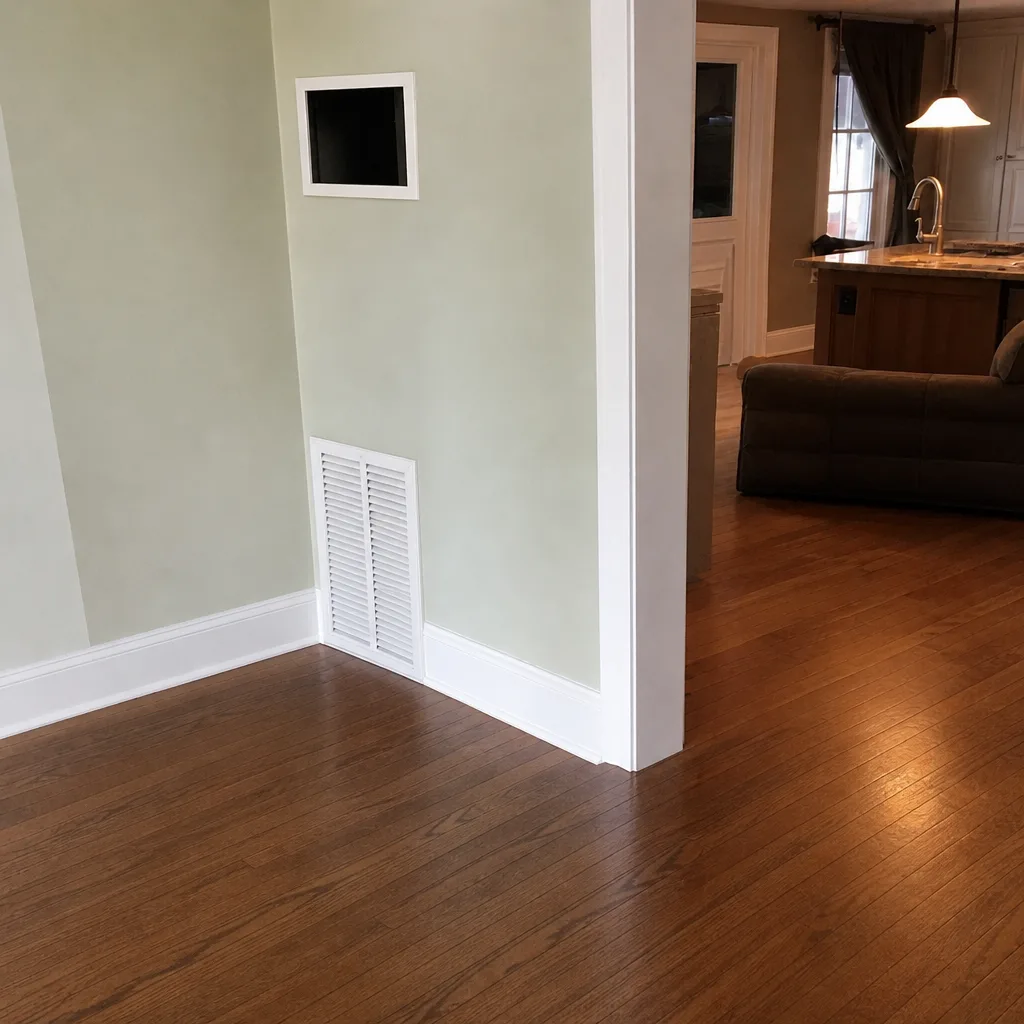 After
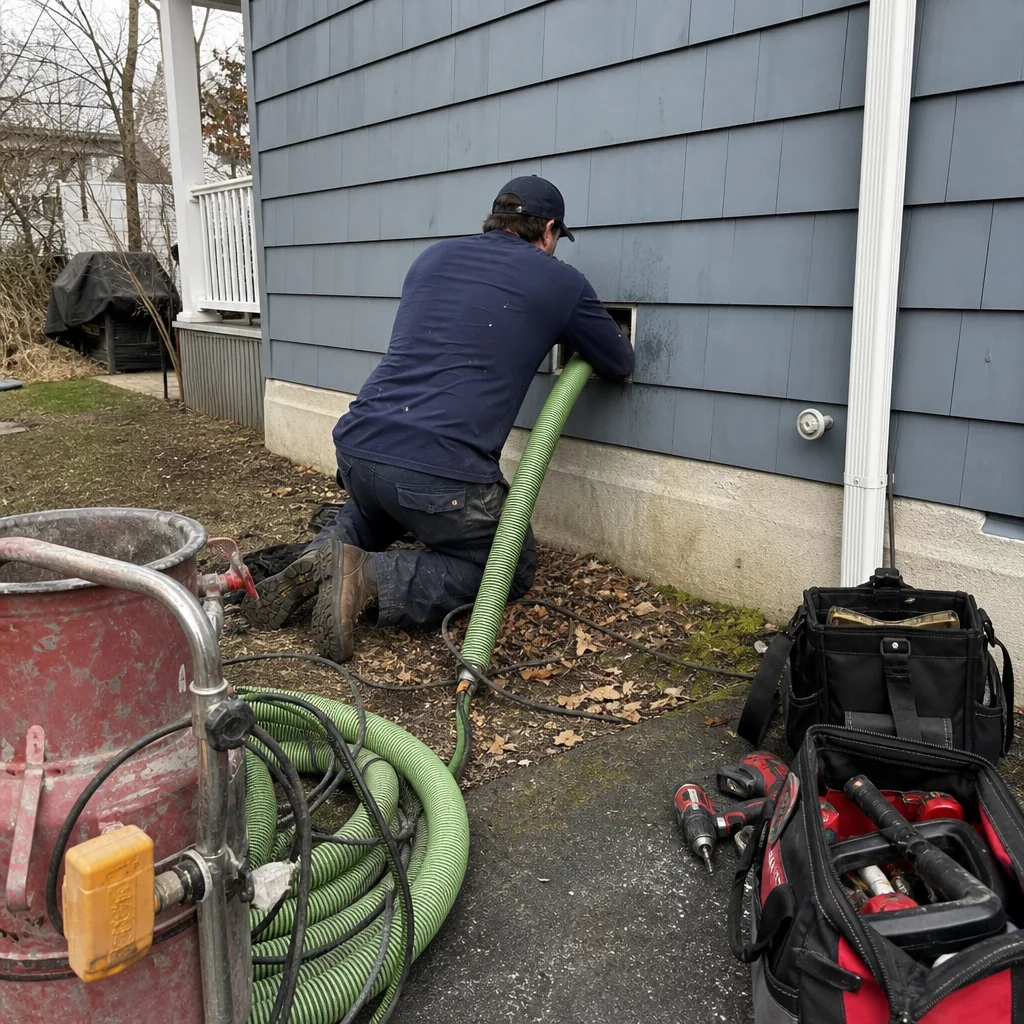 Before
 After
 Before
 After